
A City That Was The Capital Of Three Empires.
You did not fly here for the view. But you will have days between appointments, and Istanbul is not a waiting room. Below are three routes we actually give patients, planned around a body that has just had an operation: which day, how many stairs, and what to leave for the next trip.
Tell Us Your Trip, We’ll Plan The City Around It.
Five quick choices. Every day of the plan is checked against the recovery rules on this page, so nothing is suggested before the day it suits.
Building your plan
- Applying the recovery rules
- Matching places to what you enjoy
- Putting the days in order
Your Istanbul plan
Planned Around The Week You Are Having.
Every guidebook assumes you arrived on two working legs and an empty calendar. You have neither. These three are ordered by how little they ask of you, so the first one works on day two and the last one is better on day five.
Sultanahmet, Slowly.
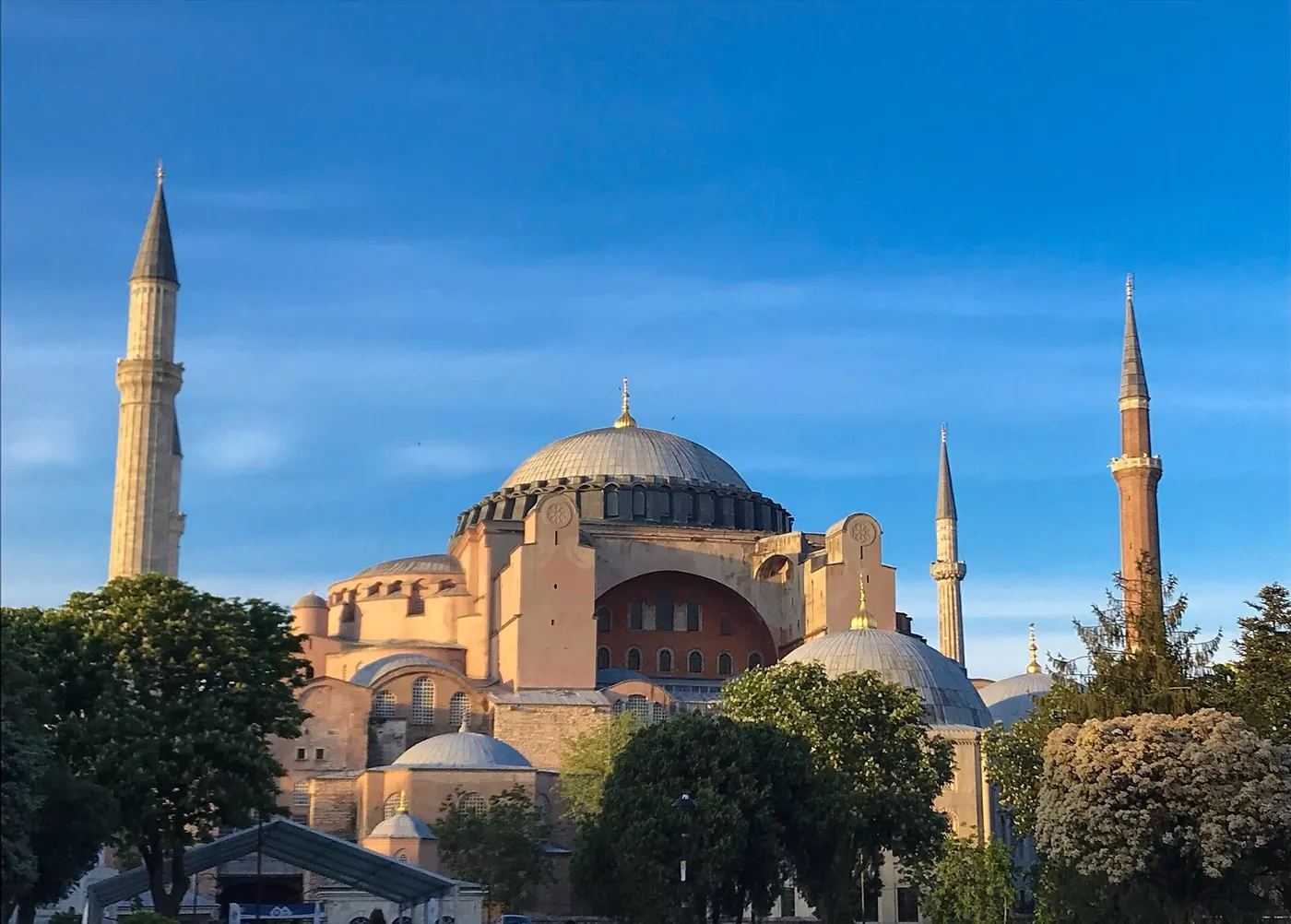
Two of the most extraordinary buildings on earth stand five minutes apart, and both of them are flat. No stairs, no hills, no queue if you are early. This is the day we send people on even when they are still bruised.
- 09:00 · Hagia Sophia
Completed in 537, the largest cathedral in the world for nine hundred years, then a mosque, then a museum, and a mosque again since 2020. The dome is thirty-one metres across and looks unsupported. Go first thing: between 11:00 and 15:00 it fills with tour groups, particularly May to September. - Inside, look for four things
The Deesis mosaic in the upper gallery, the Viking runes carved into a marble parapet, the weeping column, and the calligraphic roundels. Two religions and three empires, sitting on top of each other. - 10:30 · The Blue Mosque
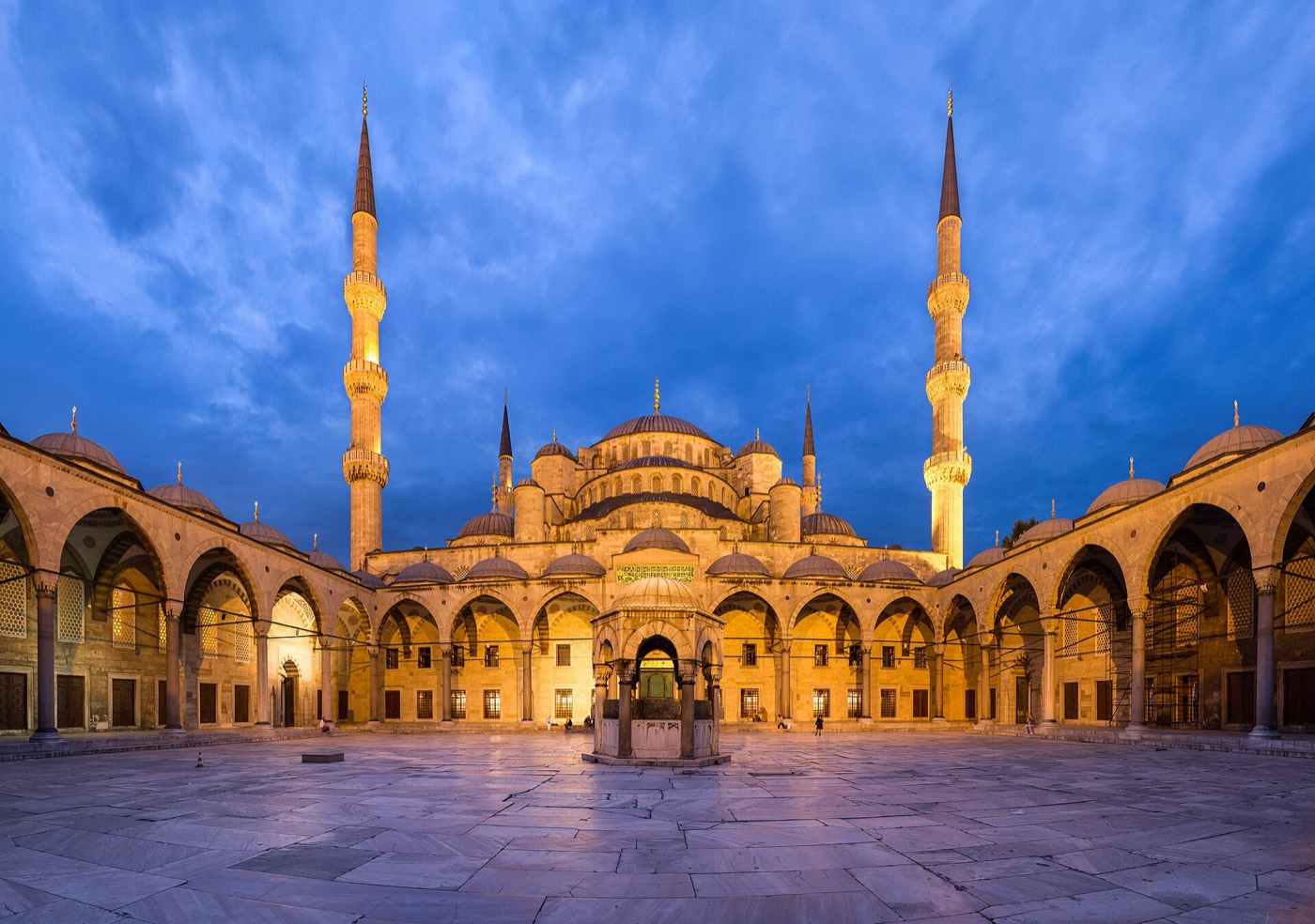
Five minutes on foot. It functions as a mosque, so visits pause for the five daily prayers, shoulders and knees stay covered, women cover their hair and shoes come off. Scarves are at the entrance. - 12:00 · Lunch behind the mosque
The courtyard cafes on the far side are quieter than anything on the main square, and you can sit for an hour without anybody hurrying you.
Take a taxi rather than the tram. It costs a few euros more and saves you a platform, a crowd and a set of steps, which matters more than the fare on day two.
The Bosphorus, Without Standing Up.
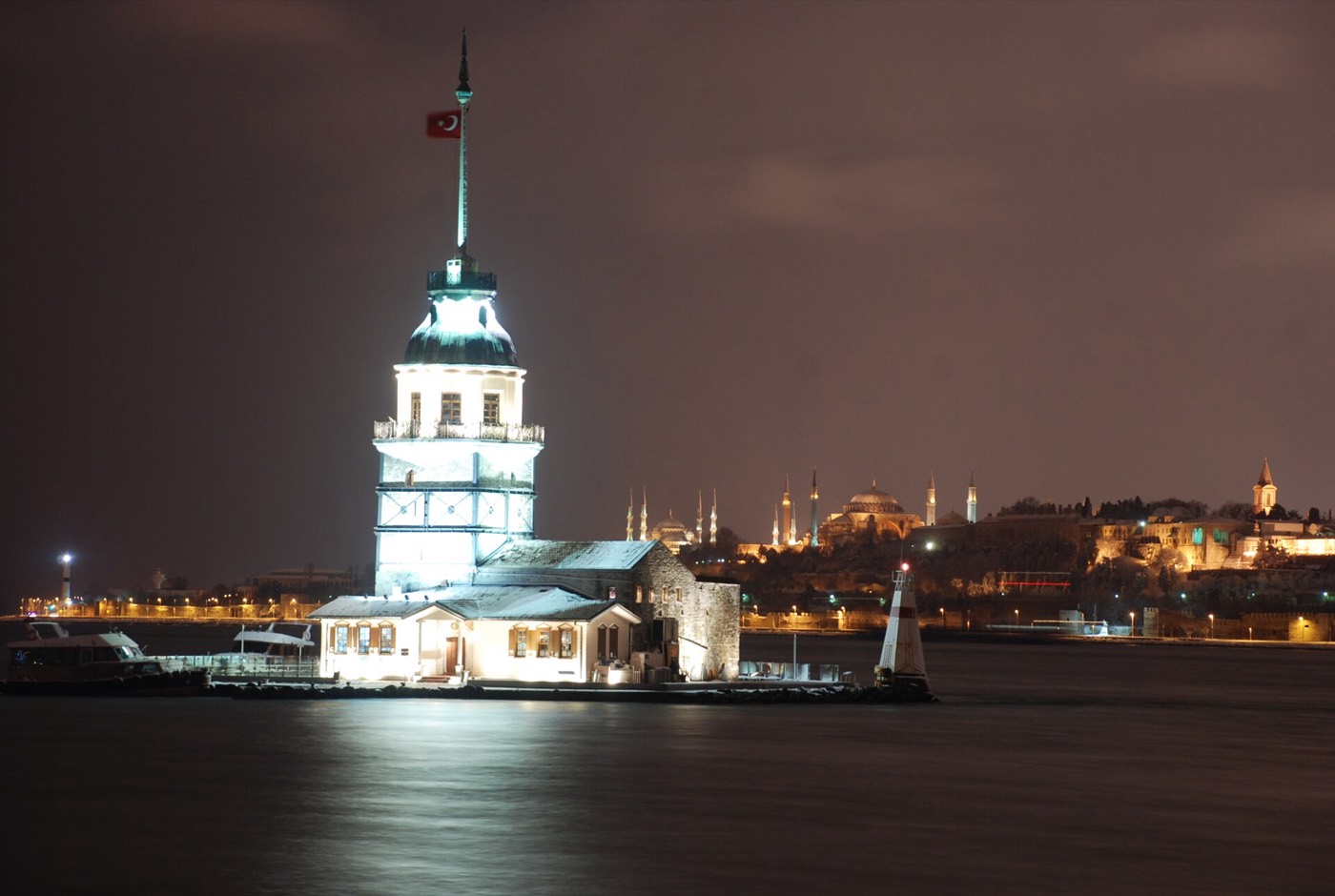
The single thing we recommend most often to patients in their first days. A public ferry costs less than a coffee, takes ninety minutes each way, and shows you more of the city than any tour bus. You sit down at Eminönü and you stay sat down.
- Eminönü pier, the municipal ferry
Not the tourist cruise. The public boat to Anadolu Kavağı costs a few euros against ten times that for a shorter route with a commentary nobody listens to. Sit on the upper deck. - What passes on the way up
Dolmabahçe Palace, the wooden yalı mansions of Bebek and Yeniköy, both continental bridges, Rumeli Fortress, and on the Asian bank the villages that look nothing like the postcard. - Late afternoon is the right departure
So the return leg catches the sunset behind the old city skyline. Bring a jacket: the wind on the water is cool even in August. - Why it suits a body that has just had surgery
No walking, no queues, no stairs beyond boarding, and ninety minutes of sitting in fresh air. It asks nothing of you and gives you the whole city.
If you only do one thing in Istanbul, and you are three days post-op, do this one. It is also the cheapest hour in the city by a wide margin.
Karaköy And Galata, At Your Own Pace.
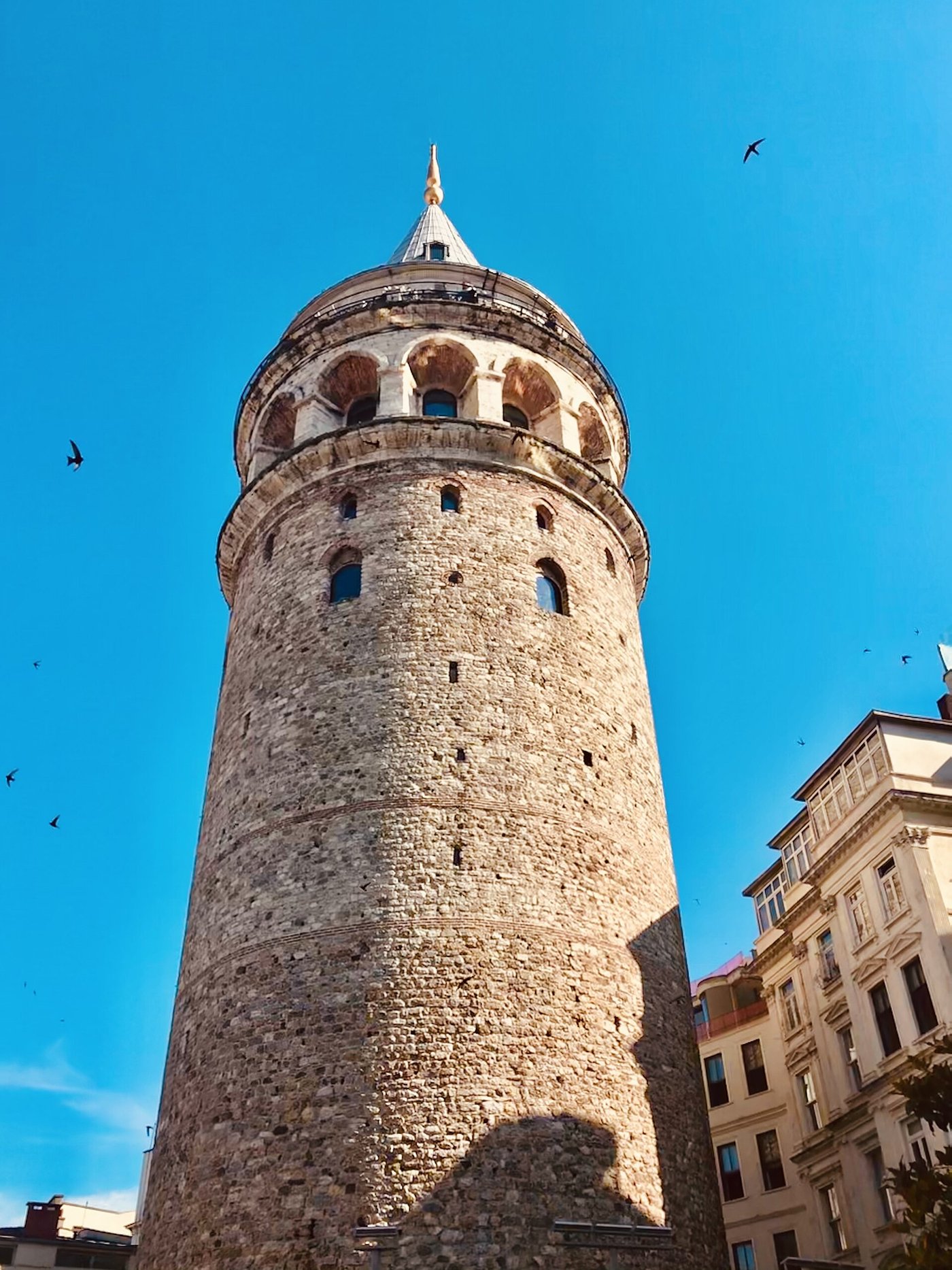
Coffee roasters, small galleries, and a fourteenth-century tower with the best panorama in the city. This is the day with the honest warning attached, because the streets here are genuinely steep.
- Start with coffee in Karaköy
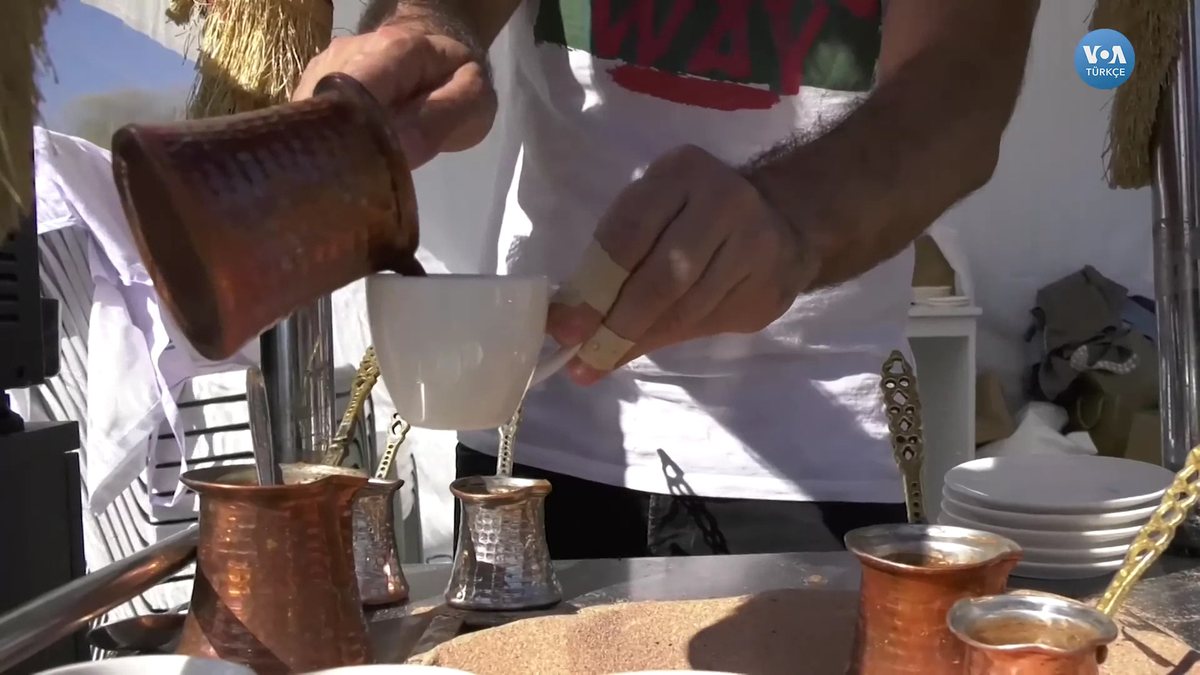
The neighbourhood below the tower is flat and full of small roasters. Turkish coffee is served with water first, for a reason: you drink the water, then the coffee, then you sit. - The galleries, then up
Small independent spaces, most of them free, most of them empty on a weekday morning. - Galata Tower — know this first
There is a lift, but there is also a queue, and the streets around it are steep. If you have had abdominal or leg surgery this is the part to leave for another trip. The panorama is genuinely worth it if your body is up to the walk. - Balık ekmek by the bridge, if you are cleared
Grilled fish in bread at the Galata Bridge is the city's most famous cheap lunch. Check with your coordinator first if you have had dental work.
This is the one route we tell people to postpone. Not because it is dangerous, but because it is uphill and it is not going anywhere. Day five is a better day for it than day two.
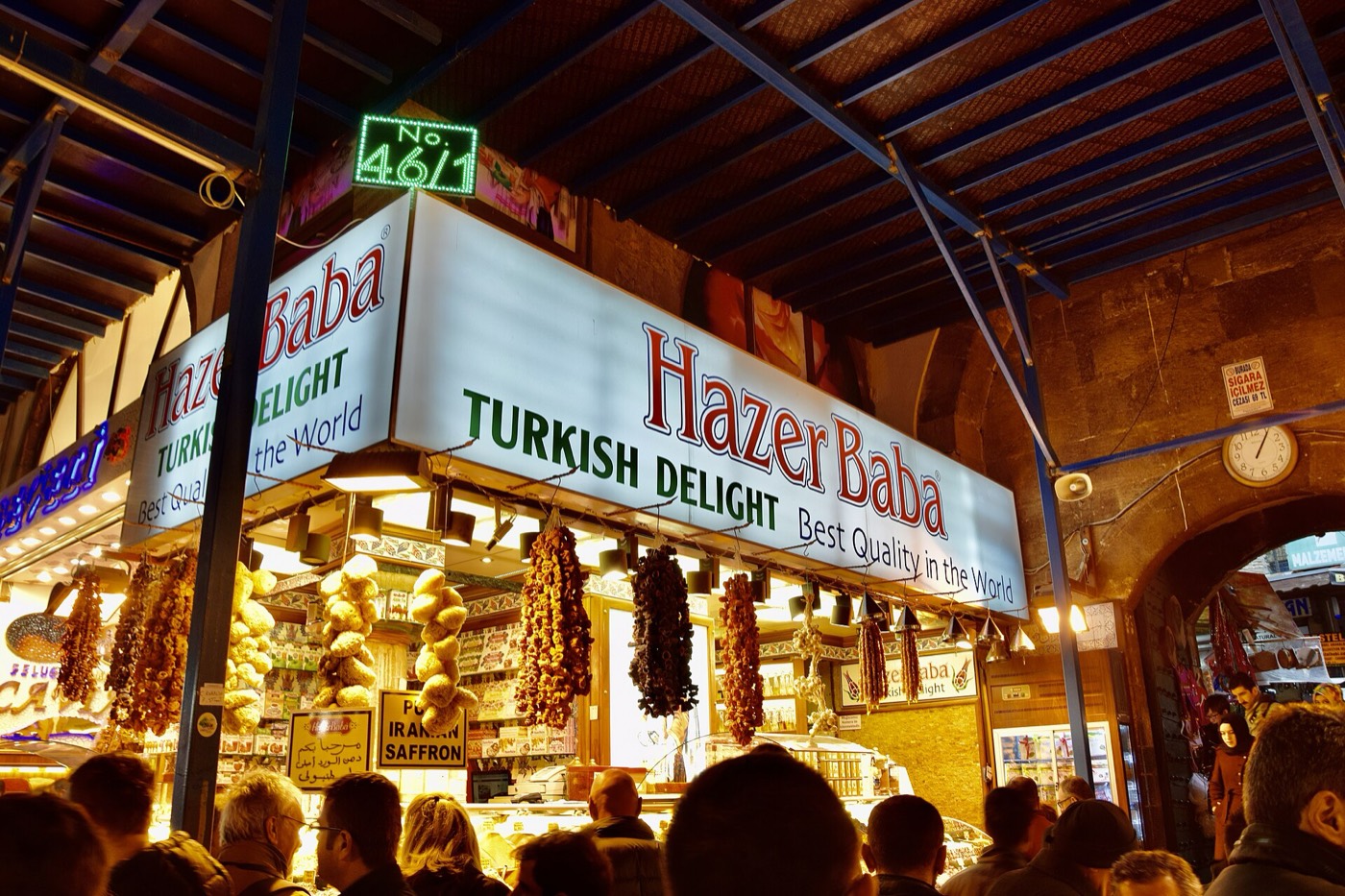
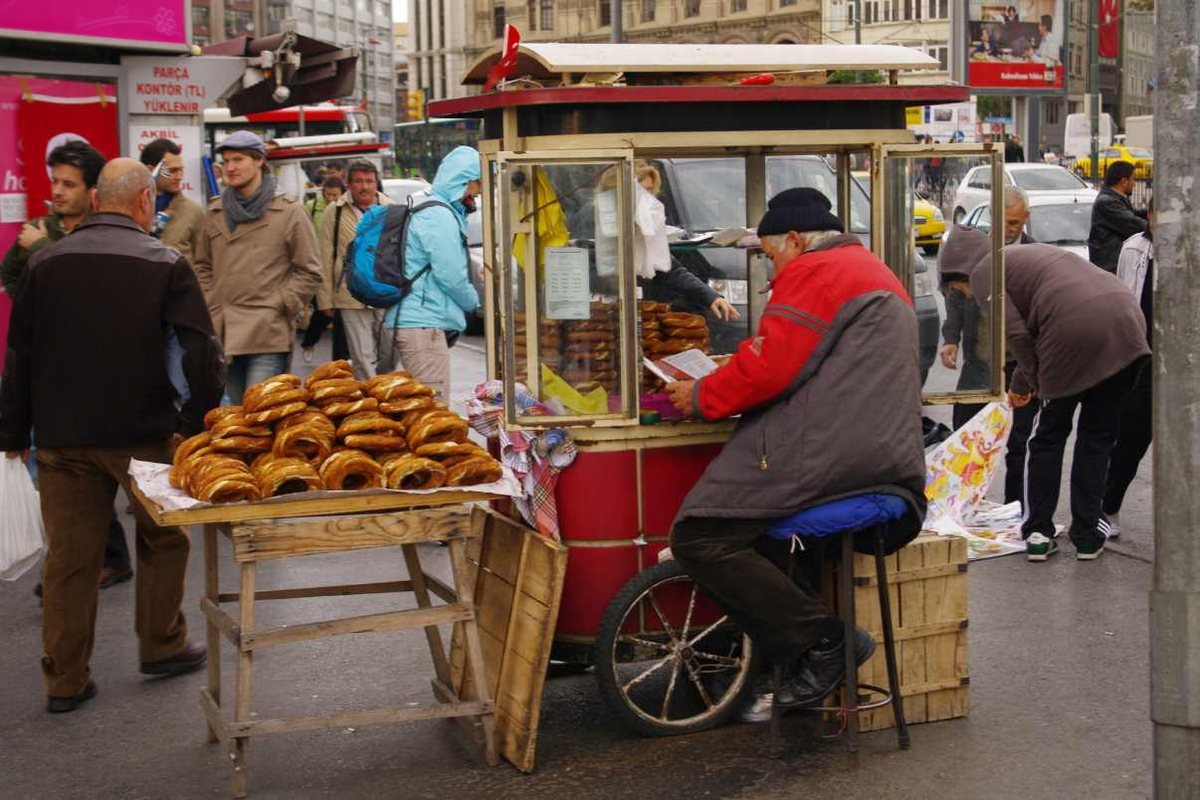
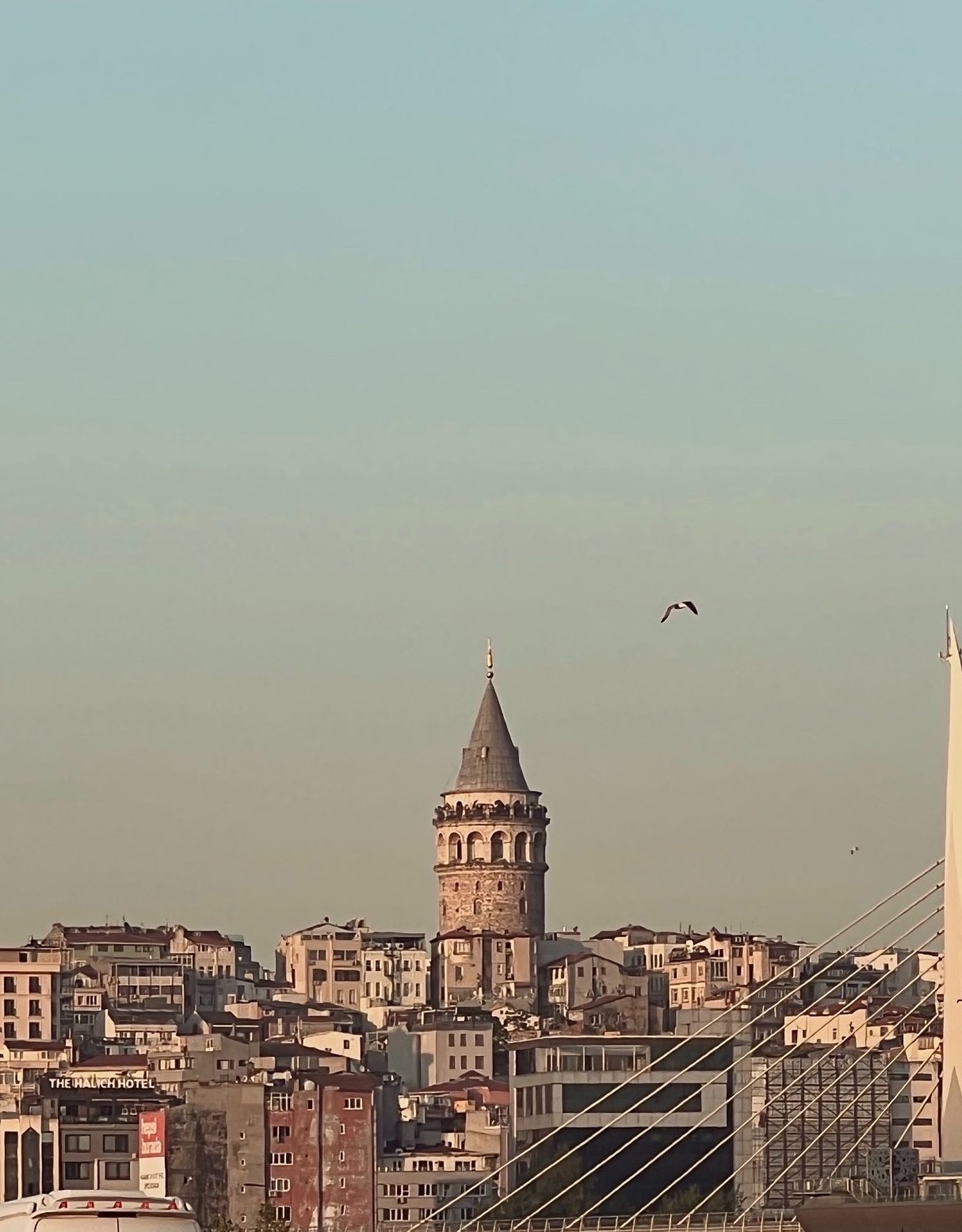
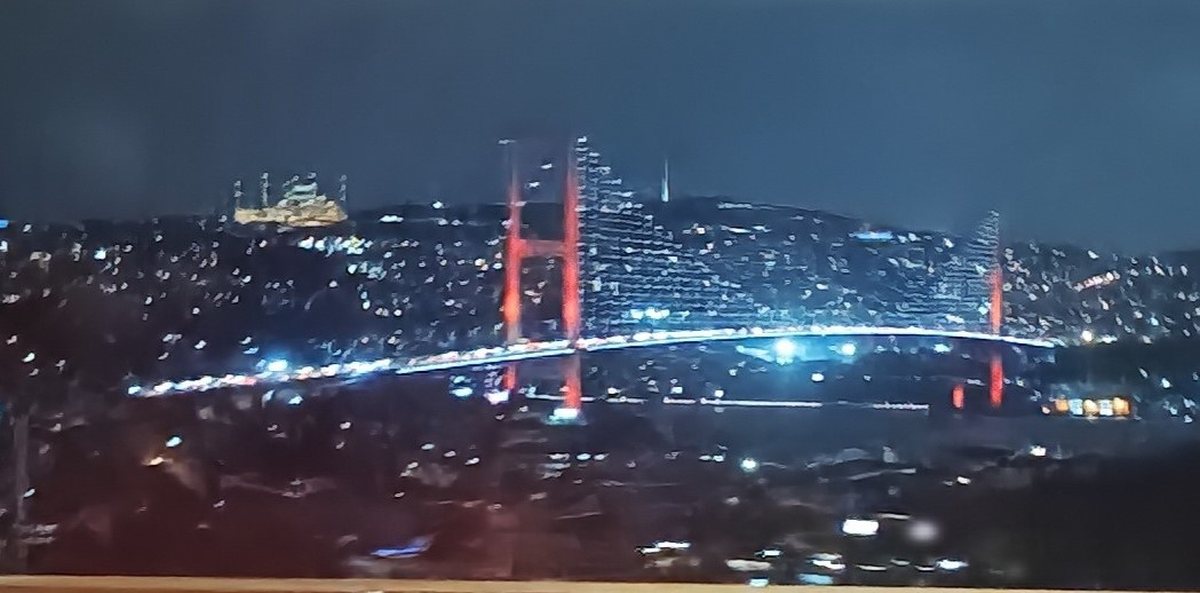
Where They Actually Sit.
Schematic, not to scale. What it gets right is which side of the water everything is on, and how short the distances really are.
Soft, Warm, And Genuinely Worth Flying For.
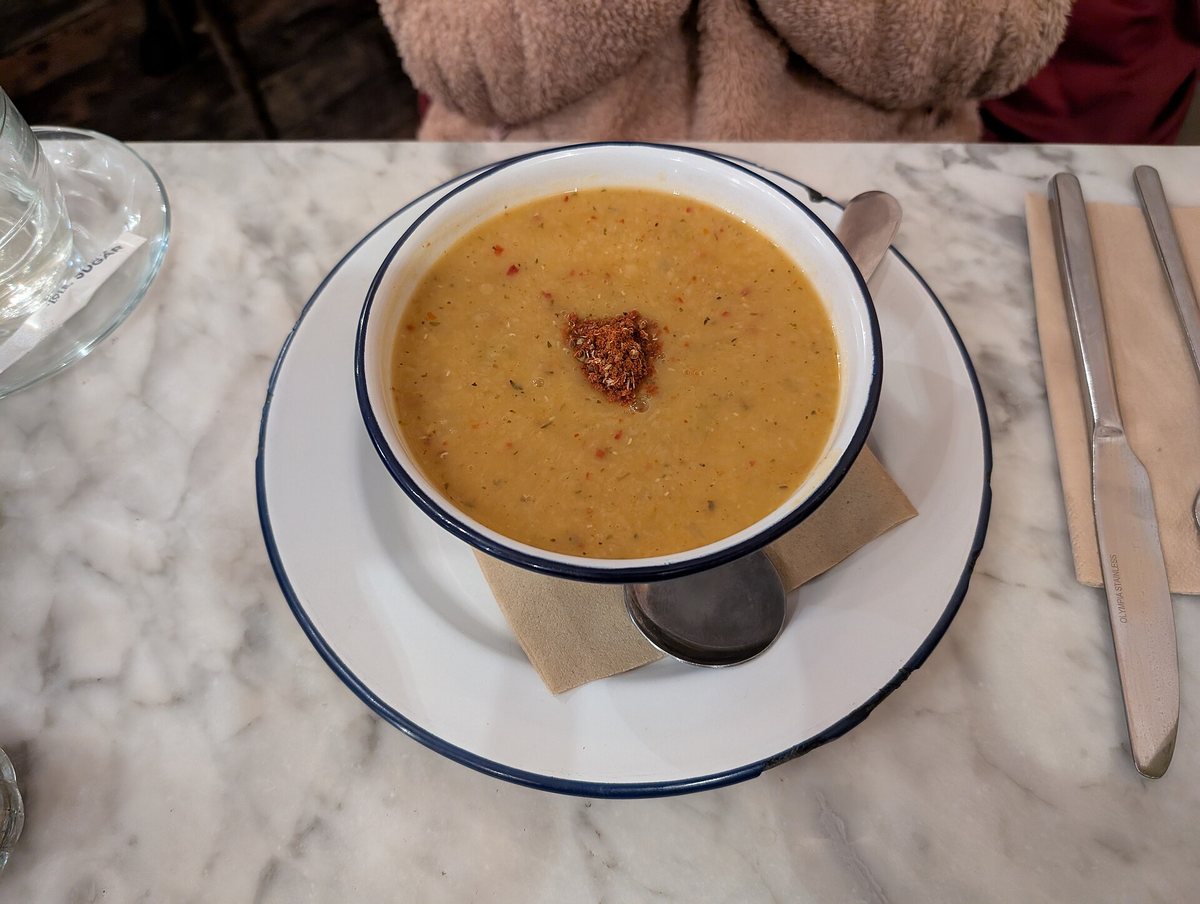
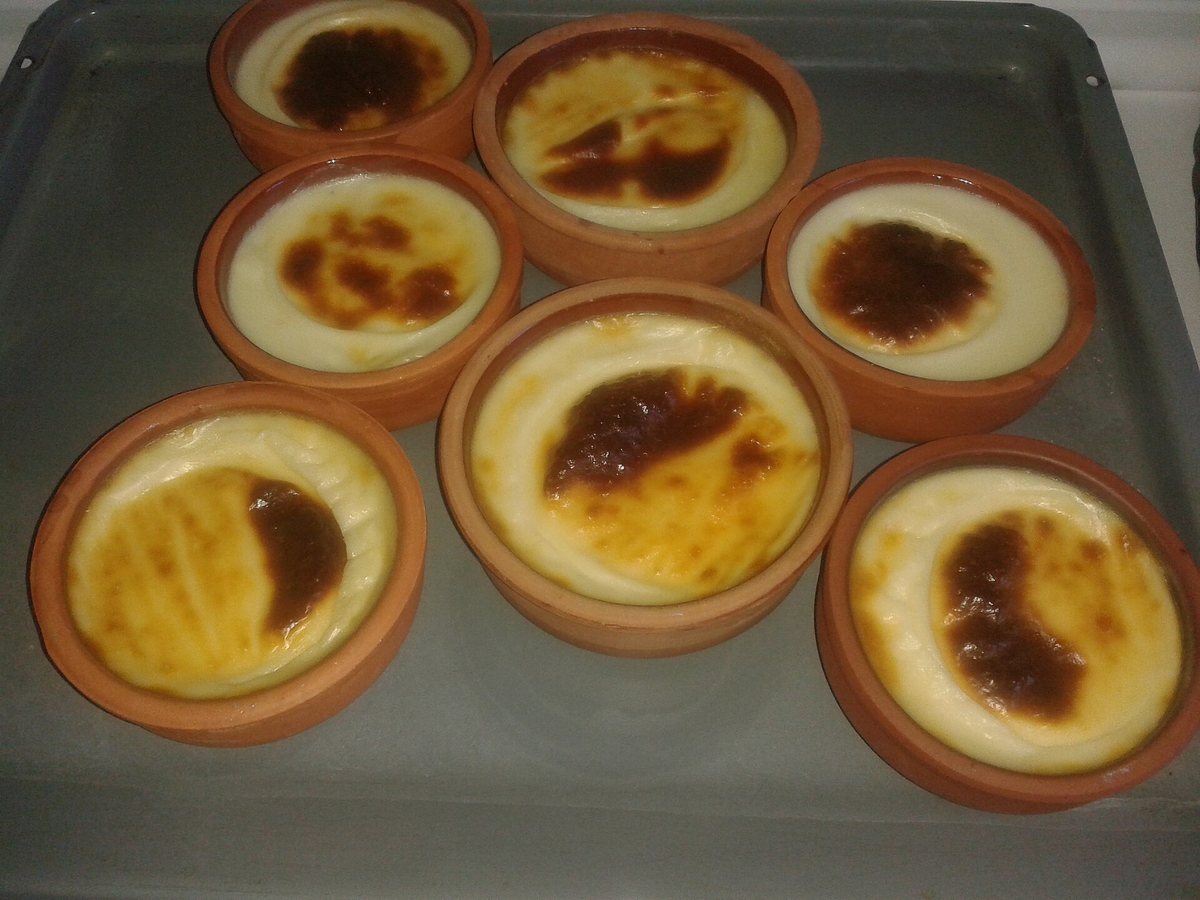
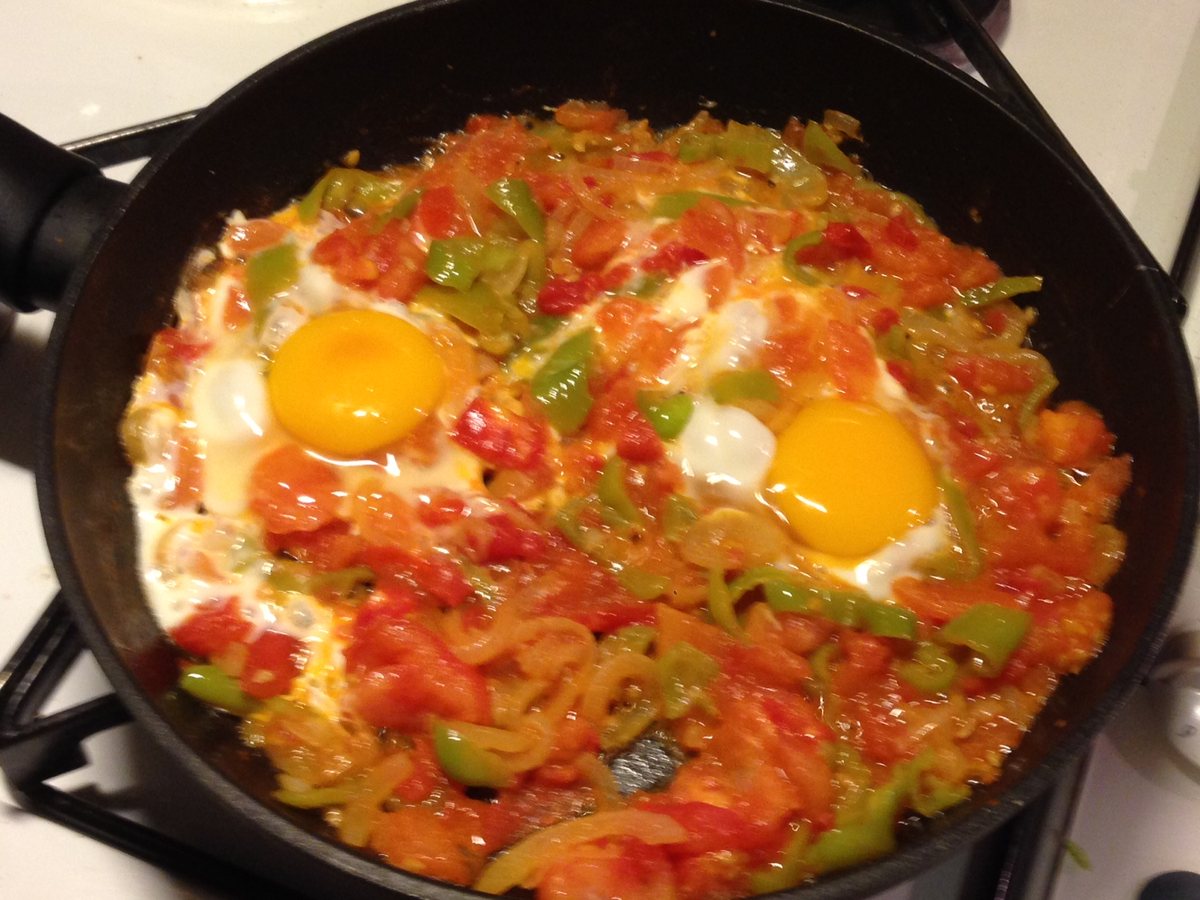
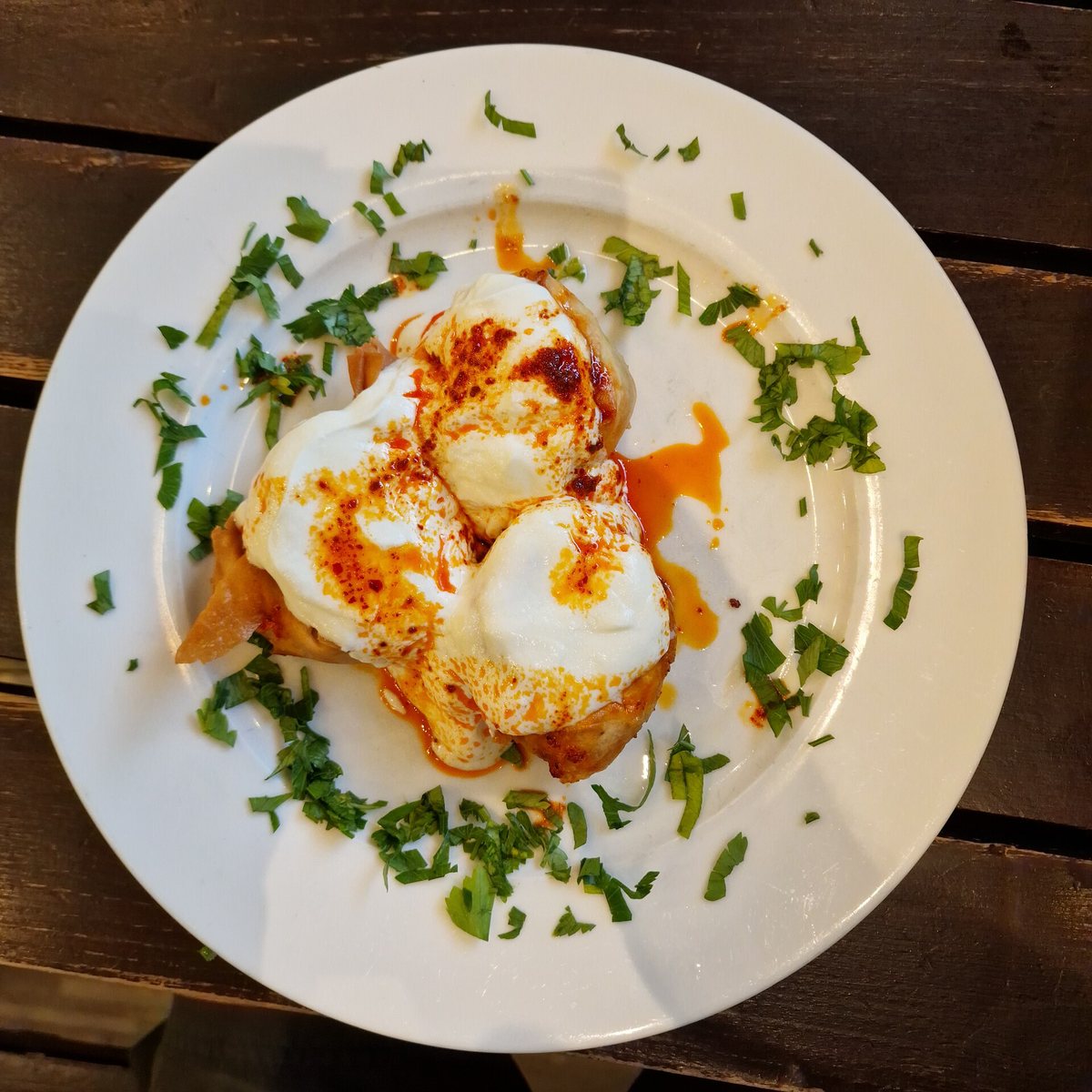
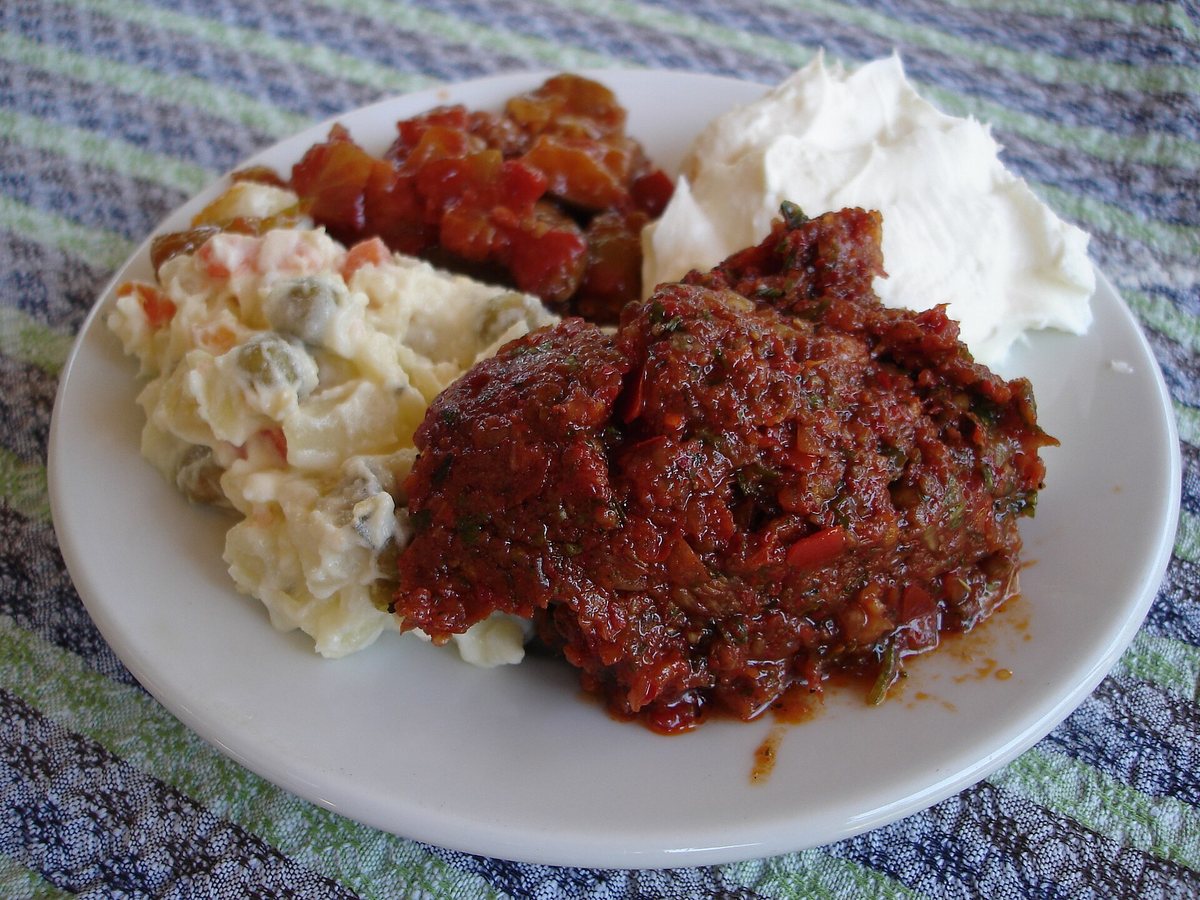
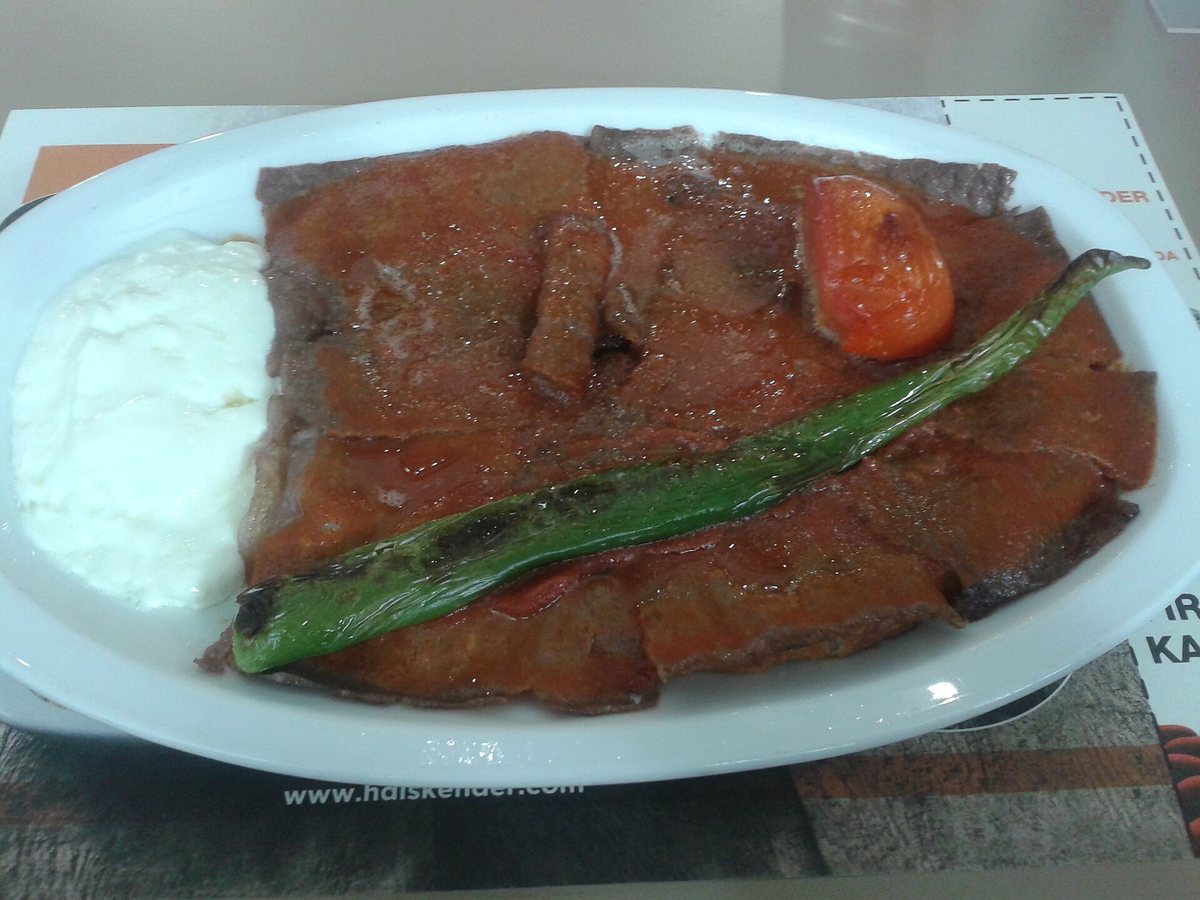
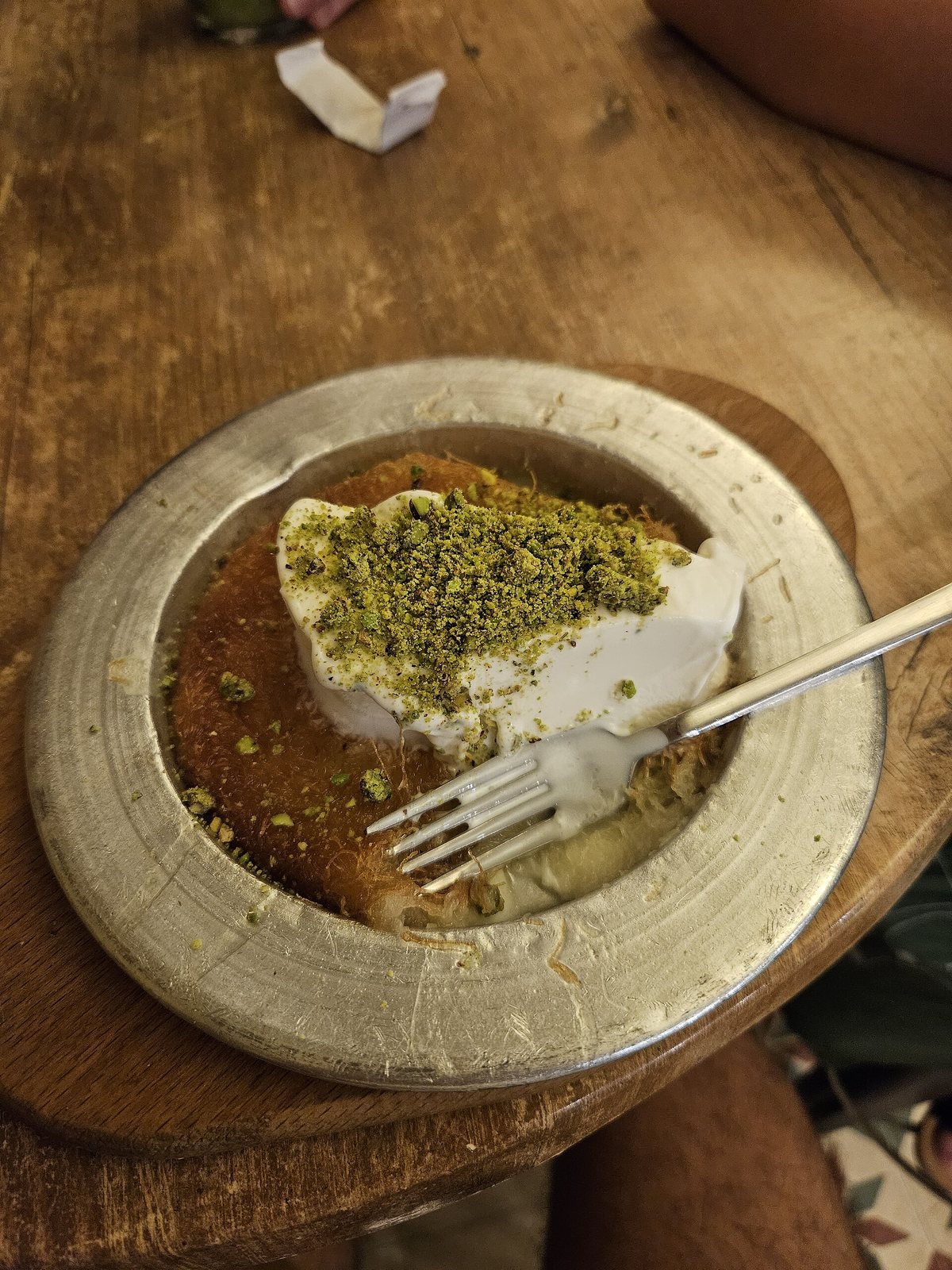
Turkish food is unusually kind to somebody recovering: soups, yoghurt, eggs and slow-cooked meat are the everyday menu, not the invalid version of it. Restaurants will serve grilled protein without the bread mountain if you ask.
And Four Things To Leave For Next Time.
None of them are going anywhere.
Heat, steam and a vigorous scrub are the three things a fresh wound wants least. This applies after any surgery, and the hammam will still be there next time.
Four thousand shops under one roof and, on a Saturday afternoon, roughly two hundred and fifty thousand people moving through it. After a hair transplant the grafts stay fragile for ten days, so we ask you to go on day ten rather than day two. After extractions or implants, day four is usually fine. The risk is being knocked, not the walking.
July and August in Istanbul reach the high thirties with humidity off the water. Swelling and heat do not mix, and neither does a compression garment.
Galata, Balat and the streets above Karaköy are steeper than they look in photographs. Leave them for day five, or for the next trip.
Everything Else We Have Written About Istanbul.
Visas, pharmacies, SIM cards, weather by month, accessibility, and what your companion does with the hours while you are in surgery.
Before you fly
Most European citizens enter visa-free for 90 days. The document that actually matters is a passport with six months…
What to pack for a medical trip to IstanbulFront-buttoning clothes, your medication list, and one thing most people forget: a copy of your medical history in…
Travel insurance for a medical trip: what it will not coverAlmost every standard policy excludes planned treatment abroad and its complications, here is what to buy instead,…
The best time of year to come for treatmentApril–June and September–November: mild weather, comfortable recovery and easier flights. July is the one to avoid.
Istanbul's two airports: which one to fly intoIST is bigger and better connected; SAW is often cheaper and closer for some hotels. Transfer time is the real…
Paying for treatment abroad safelyCard payments to a company account, an itemised invoice, and never a large cash deposit to a personal account.
Should you bring someone with you?Not medically necessary for most procedures, but the first 48 hours are considerably easier with company.
Smoking and alcohol before surgery: the rules and the reasonsTwo weeks without nicotine changes wound healing measurably. It is the single most effective thing a patient can do.
Landing and settling in
Şişli, Nişantaşı and Levent all work. Sultanahmet looks romantic and adds an hour of traffic to every appointment.
Getting around Istanbul: taxis, metro and what to avoidUse the apps, carry an Istanbulkart, and understand that distance on a map has almost no relationship to travel time.
SIM cards, wifi and paying by card in Istanbul: a setup guideA tourist SIM costs 20 to 30 euro and starts a 120-day handset clock; an eSIM costs a few euro and does not. Plus how…
Will language be a problem? How translation actually worksA translator in the room is not a luxury, consent, symptoms and aftercare all depend on being understood precisely.
Istanbul pharmacies: prescriptions, night duty and what to bringAntibiotics need a prescription, every district keeps one pharmacy open all night, and brand names do not travel, …
The days between appointments
A realistic itinerary for patients, short distances, low effort, and nothing that involves climbing.
The Bosphorus: the best value hour in IstanbulA public ferry costs less than a coffee and shows you more of the city than any tour bus.
Hagia Sophia: what to know before you goFifteen centuries of history, an active mosque, and a visit that takes an hour if you time it right.
The Grand Bazaar: a patient guide to going and getting outFour thousand shops, no air conditioning and a lot of elbows, here is when it is safe to go after surgery, and how…
Istanbul for your companion: the hours while you are in surgeryA hair transplant is six to eight hours. Here is what your companion can reach from Sisli, and the three jobs that…
Can you combine treatment with a real holiday?Sometimes, but the order matters. Holiday first, treatment second, and never the reverse.
Beyond Istanbul: day trips worth saving for your second visitBuyukada fits around a first trip; the thermal baths of Bursa and a Cappadocia balloon do not, the medical reasons,…
Istanbul weather by season, and what healing skin needsThirty-four degrees in August, five in January, each season changes what your dressing, your scar and your…
Istanbul with reduced mobility: an honest accessibility reportCobbles, missing kerbs and steep side streets are real, but the metro, Marmaray and the ferries work, and here is…
Turkish hammam after surgery: when each procedure is clearedForty-five degrees, an abrasive scrub and a pressure massage, here are the waiting periods we give for dental, hair,…
Eating while you heal
Twenty small plates, plenty of bread and less protein than it looks, how to eat it after dental work, and why a…
What to eat in Istanbul when you have just had surgeryTurkish cuisine is unusually well suited to post-operative eating, soft, warm, protein-rich and rarely spicy.
Your treatment, and afterwards
Bring photographs, medication lists and questions written down, the ones you forget are always the ones that…
Aftercare once you are home: who to call and whenThe moment you land is not the end of treatment. Here is the schedule and the list of symptoms that should never wait.
Your medical records and privacy as an international patientYou are entitled to copies of everything, and to refuse the use of your photographs in marketing. Both should be in…
Medical tourism in Turkey: a practical guide for 2026Two million patients a year cannot all be wrong, but the gap between the best and worst clinics here is wider than…
Why patients choose Swedish Clinic, and when they should notWe are not the cheapest and we say no more often than most. Here is exactly who we are the right choice for.