
Open Or Closed Is A Clinical Decision.
Which approach suits your nose is decided by how much tip work it needs, not by surgeon preference and not by what you ask for by name. The price here is the same either way, so there is nothing to steer you toward.
- Days in Istanbul
- 7
- Hospital stay
- 1 night
- Splint off
- Day 7
- Presentable
- 2-3 weeks
- Final shape
- 12 months
Start With Two Photographs.
Send two photographs. A surgeon reads them and tells you what is realistic, including when the answer is no.
A consultant is online now

Rated By The People Who Went Through It.

“Missing teeth affected my daily life for years. From the first exam my doctor’s care and expertise made me feel safe at every stage.”

“Clean, modern hospital and a team that answered every message within minutes. I already recommended them to two friends.”

“One year on and nobody can tell. The hairline they designed suits my face. It does not look transplanted.”

“I wanted my nose softened, not replaced. The surgeon showed me the simulation and the result is exactly that.”

“Fourteen months on and I am 38 kilos lighter. The dietitian called me every single month. That made the difference.”

“Type-2 diabetes for nine years, off medication four months after the bypass. My own doctor could not believe the blood work.”

“Professional, warm and honest. They told me exactly what my donor area could give and never oversold.”

“Forty minutes, local anaesthetic, back at the hotel for lunch. A week later I looked ten years less tired.”

“At 54 I did not want to look done. Six weeks on, friends say I look rested.”
One Patient, Three Frames.
Before and after, where the scar actually sits, and the result once it has settled months later rather than on the day the dressing came off.
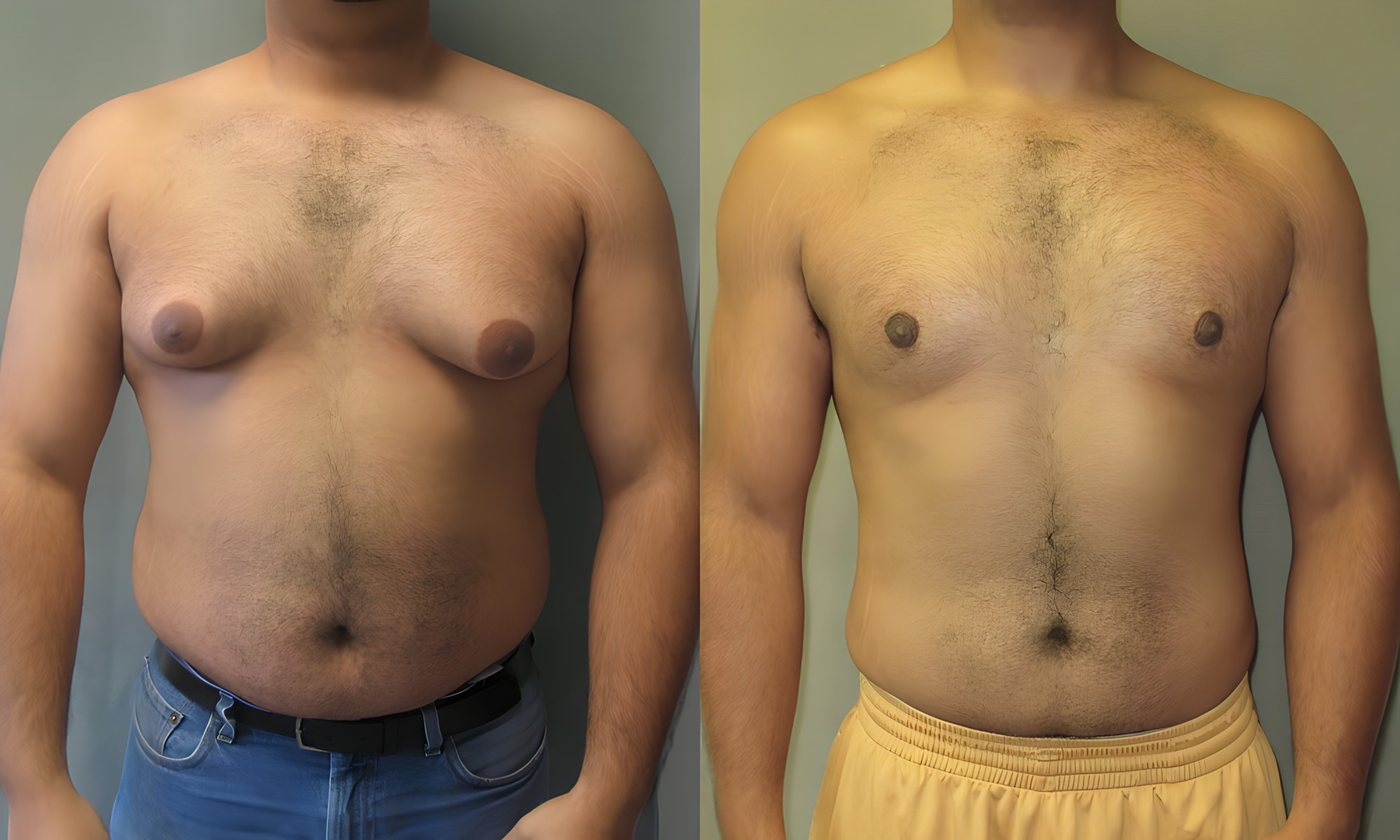
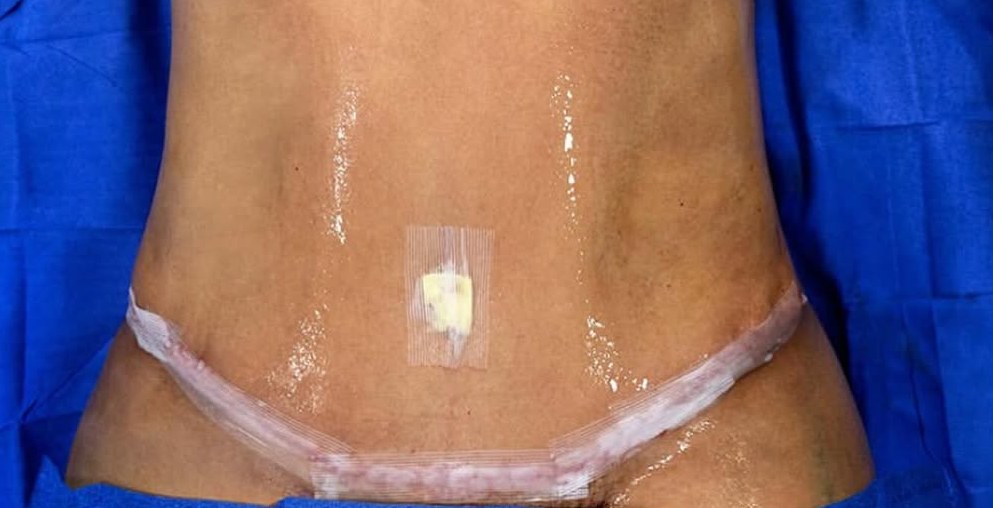
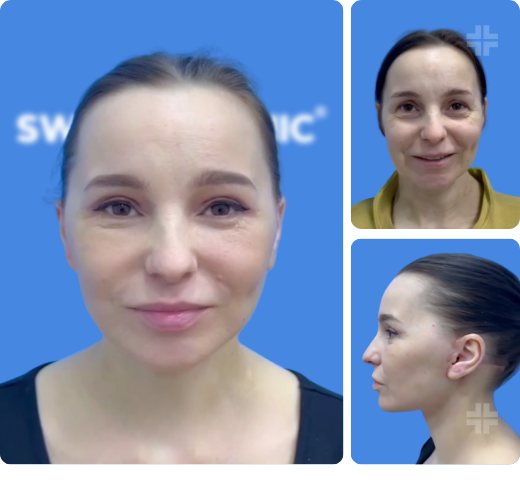
The rest of the before-and-after set is on the plastic surgery page.
Which Approach Suits Your Nose.
Works entirely through incisions inside the nostrils. Suits a prominent dorsal hump with a tip that needs little more than a small refinement, thin to medium skin, no previous surgery. Keeping the tip ligaments intact means less swelling and a nose that settles noticeably faster in the first three months.
Adds a four-millimetre incision across the columella and lifts the skin so the cartilage framework can be seen directly. That visibility matters when the tip is asymmetric, over-projected, or has been operated on before. Revision cases and thick-skinned tips are almost always open.
Read the restShow less
We decide from photographs and an examination. If your tip is symmetric and your main complaint is the profile, we will say a closed approach is enough.
The Columellar Scar, Honestly.
The incision that worries patients most is the one that disappears fastest. It sits in a V or stair-step across the narrow bridge of skin between the nostrils, an area with excellent blood supply and no tension pulling the edges apart.
Read the restShow less
At three months most patients cannot find it in a mirror without tilting the head back. At a year it is usually a pale line most people never notice. Redness in the first eight weeks is normal and settles without treatment.
Thick Skin: Why The Tip Takes Longer.
Cartilage can be reshaped precisely. Skin drapes over whatever is underneath, and thick, sebaceous nasal skin drapes slowly. The framework may be exactly right on the table and still read as undefined for a year while the soft tissue contracts onto it.
Read the restShow less
This is not a complication and it is not something a different technique avoids. It is the reason we photograph skin thickness at the consultation and tell thick-skinned patients that their twelve-month photograph, not their three-month one, is the result.
Septoplasty: One Operation, Not Two.
If your septum is deviated, correcting it during the same operation costs one recovery instead of two and protects the shape. Straightening a nose from the outside while leaving a crooked septum inside pulls the result back toward the deviation over the following year.
Read the restShow less
It is also where the cartilage graft usually comes from, which means the material used to support your tip is your own and is already being harvested.
The Twelve-Month Timeline.
- Day 7. Splint off. The nose looks swollen and turned up; both are expected.
- Weeks 2-3. Bruising gone, presentable for work and photographs.
- Months 2-3. Most of the obvious swelling has settled; the bridge reads correctly before the tip does.
- Months 6-12. The tip defines. This is the stage a rhinoplasty is judged at, and the only stage we will show you as a result.
The Ones People Actually Ask.
Is plastic surgery in Turkey safe?
It is when it is done properly. Your operation takes place in a licensed full-fledged hospital with intensive care on site, performed by a board-certified plastic surgeon, under a Health Tourism Authorisation Certificate from the Republic of Türkiye Ministry of Health. We also hold Temos international accreditation and an ISO 9001 (UKAS) certified management system. Ask any clinic abroad for these three things before you book.
How many days do I need to stay in Istanbul for surgery?
Plan 6-7 nights for most operations: consultation and tests on day one, surgery on day two, one night in hospital where needed, then dressing changes and the final check-up before you fly. Eyelid surgery and small procedures need only 3-4 nights.
Who will perform my operation?
A plastic surgeon certified by the Turkish Ministry of Health, never an assistant or technician. You meet your surgeon before the operation, discuss what is realistic for your anatomy, and the same surgeon sees you at the post-operative check-up.
When can I fly and go back to work after surgery?
Flying is normally cleared 5-7 days after surgery. Desk work is possible after about a week for rhinoplasty and eyelid surgery, and 2-3 weeks for body procedures such as tummy tuck, BBL or mommy makeover. Your surgeon gives you a written timeline for your case.
Do you help with hotel, transfers and translation?
Yes. VIP airport transfers, a translator in your language and help with hotel booking are part of every package, and your coordinator stays with you from the first message until long after you fly home.
What Stands Behind The Plan.



Related Treatments.
A SMAS lift tightens the muscular layer.
Eyelid SurgeryEight to twelve millimetres of skin, marked with you sitting upright and rechecked with a pinch test.
Vaser LiposuctionVaser emulsifies fat before any of it is suctioned, so it leaves through a smaller cannula with less tearing of the tissue around it.
BBL (Brazilian Butt Lift)Every millilitre goes into the subcutaneous layer.
More On Rhinoplasty.
A deviated septum is both a breathing problem and the structure that holds the nose straight. Correcting it…
Open or closed rhinoplasty: which one fits your nose?Closed rhinoplasty leaves no visible scar but limits what the surgeon can see; open rhinoplasty adds a…
Thick nasal skin: why the tip takes longer to defineThick nasal skin hides the cartilage work underneath. Definition still arrives, but it can take eighteen months…
Check Every Claim On This Page, In One Click.
Opens ChatGPT with this page already loaded as its source, so you can compare our plan against international standards and ask anything you like before you decide. The conversation is yours. We never see it.
Ask ChatGPT about this plan