
DHI, And The Reason It Costs More.
A Choi implanter pen opens the channel and places the follicle in one movement. That buys control of angle and depth, and the ability to work without shaving. It also buys fewer grafts per hour, which is the honest reason for the price.
- Days in Istanbul
- 3
- Hospital stay
- Outpatient
- Anaesthesia
- Local
- Shaving
- Often not needed
- Pen diameters
- 0.6 / 0.7 / 0.9 mm
- Judged at
- 12 months
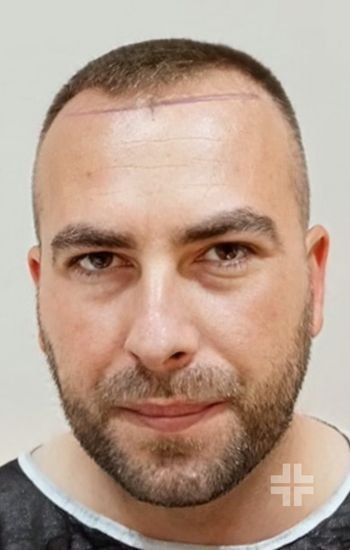
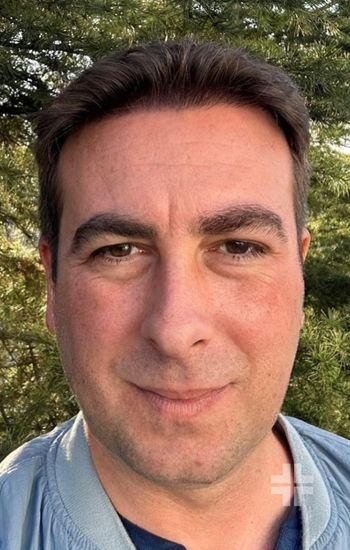
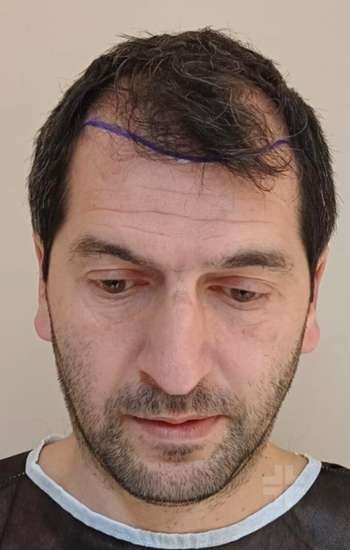
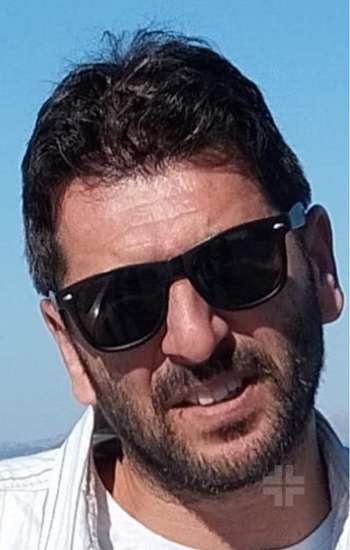
Before And After.
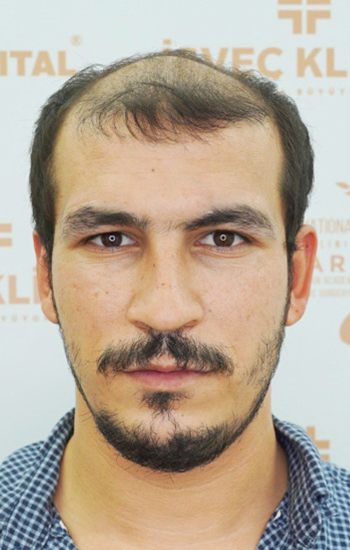
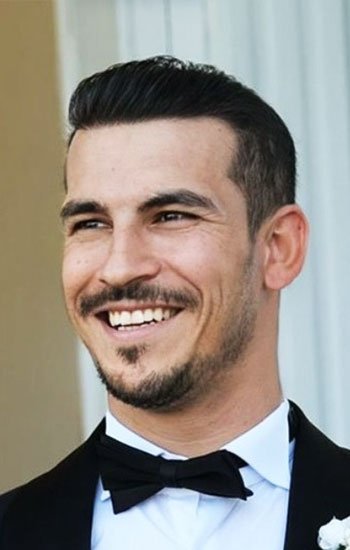
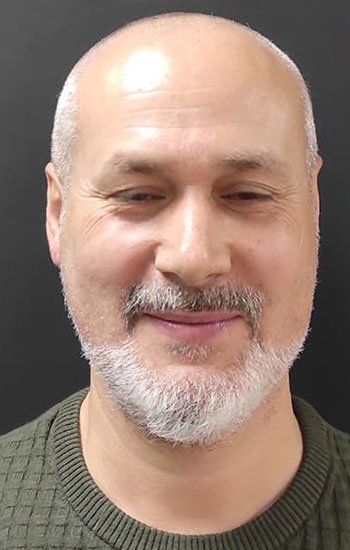
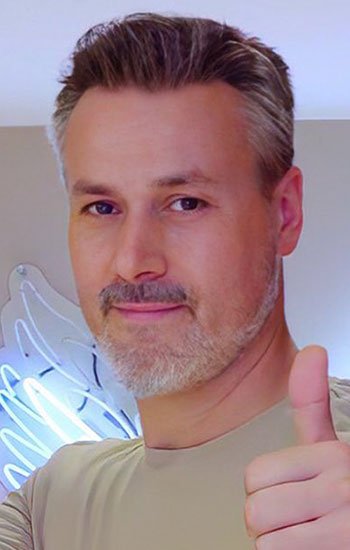
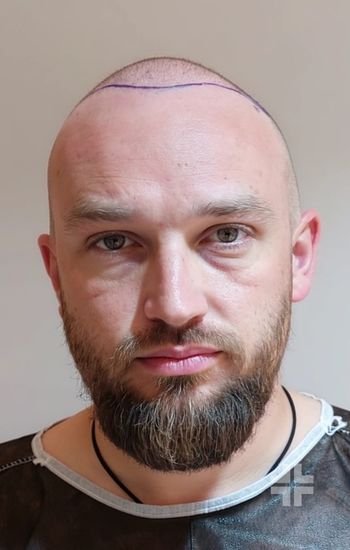
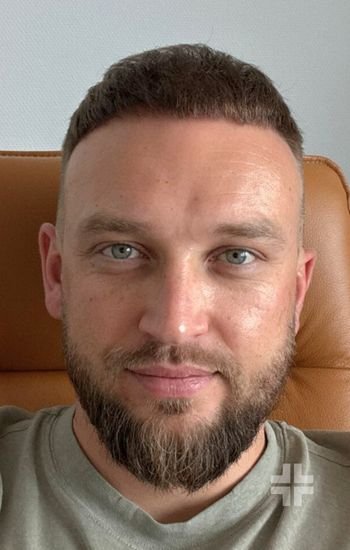
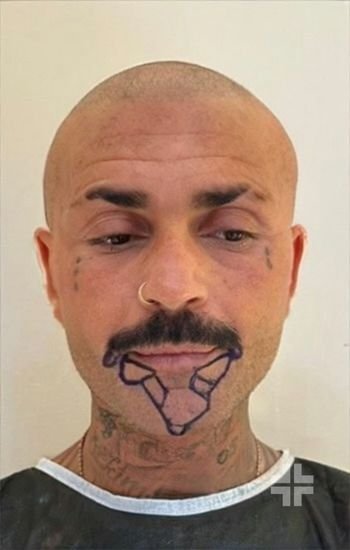
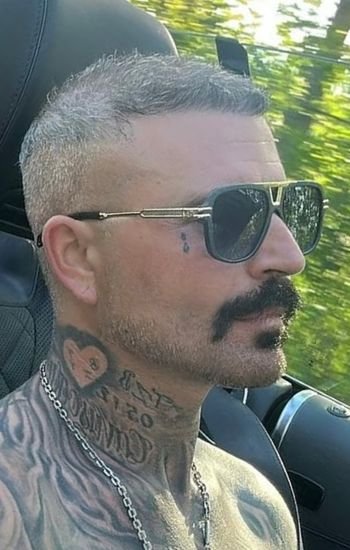
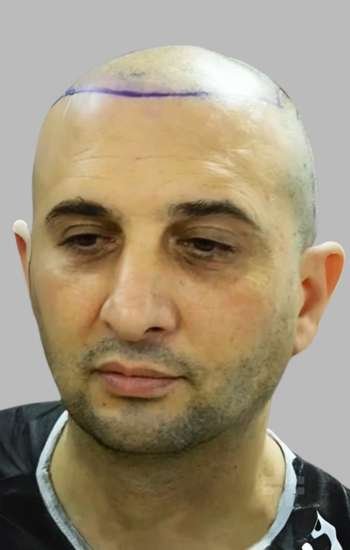
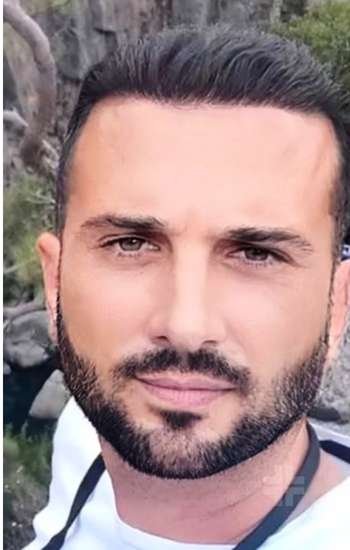
Each man photographed twice, nine to fifteen months apart. The flag is the country he flew from.
On Video.
Filmed at the clinic. Tap any card to watch.
Start With Two Photographs.
Send two photographs. A surgeon reads them and tells you what is realistic, including when the answer is no.
A consultant is online now

Rated By The People Who Went Through It.

“One year on and nobody can tell. The hairline they designed suits my face. It does not look transplanted.”

“Professional, warm and honest. They told me exactly what my donor area could give and never oversold.”

“Missing teeth affected my daily life for years. From the first exam my doctor’s care and expertise made me feel safe at every stage.”

“Clean, modern hospital and a team that answered every message within minutes. I already recommended them to two friends.”

“I wanted my nose softened, not replaced. The surgeon showed me the simulation and the result is exactly that.”

“Fourteen months on and I am 38 kilos lighter. The dietitian called me every single month. That made the difference.”

“Type-2 diabetes for nine years, off medication four months after the bypass. My own doctor could not believe the blood work.”

“Forty minutes, local anaesthetic, back at the hotel for lunch. A week later I looked ten years less tired.”

“At 54 I did not want to look done. Six weeks on, friends say I look rested.”
The Same Man, Three Times.
Beginning, middle and end of one twelve-month course. The middle frame is the one that is normally left out.
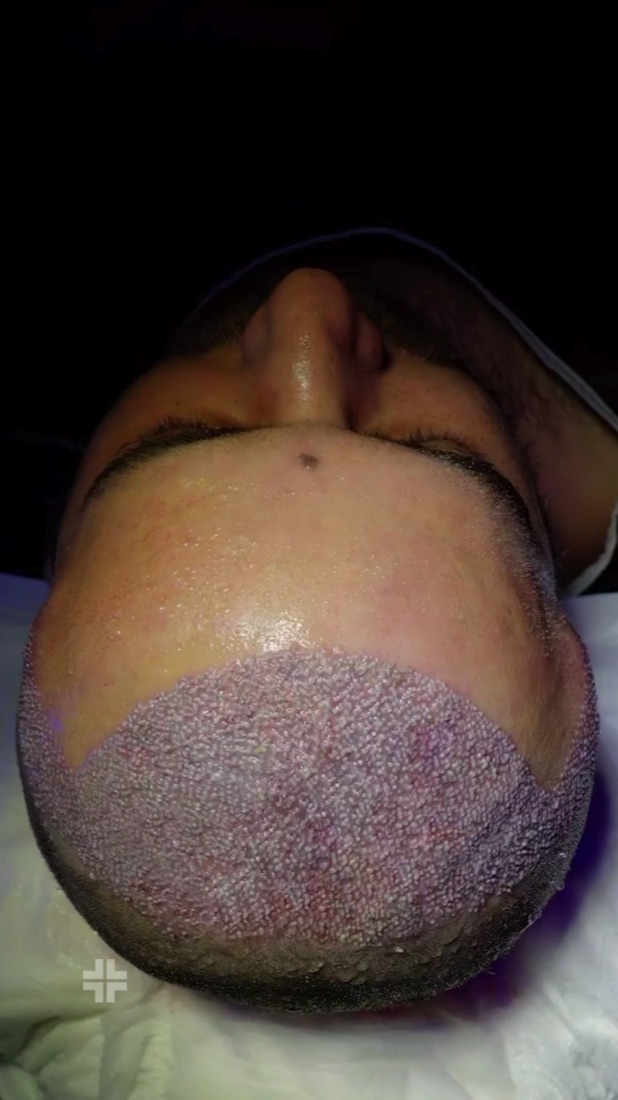
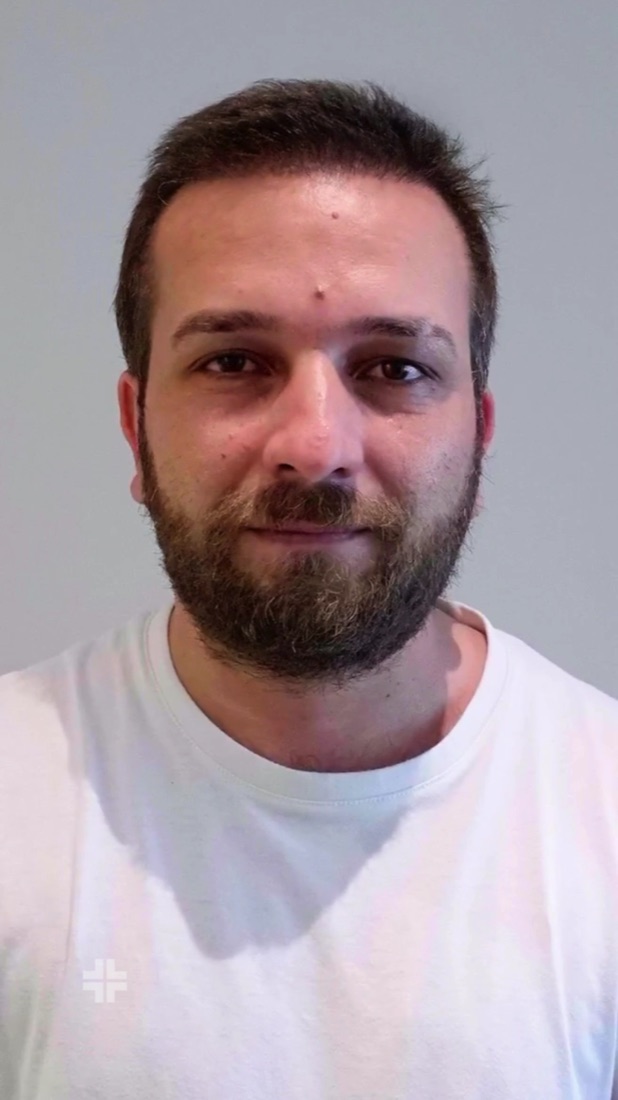
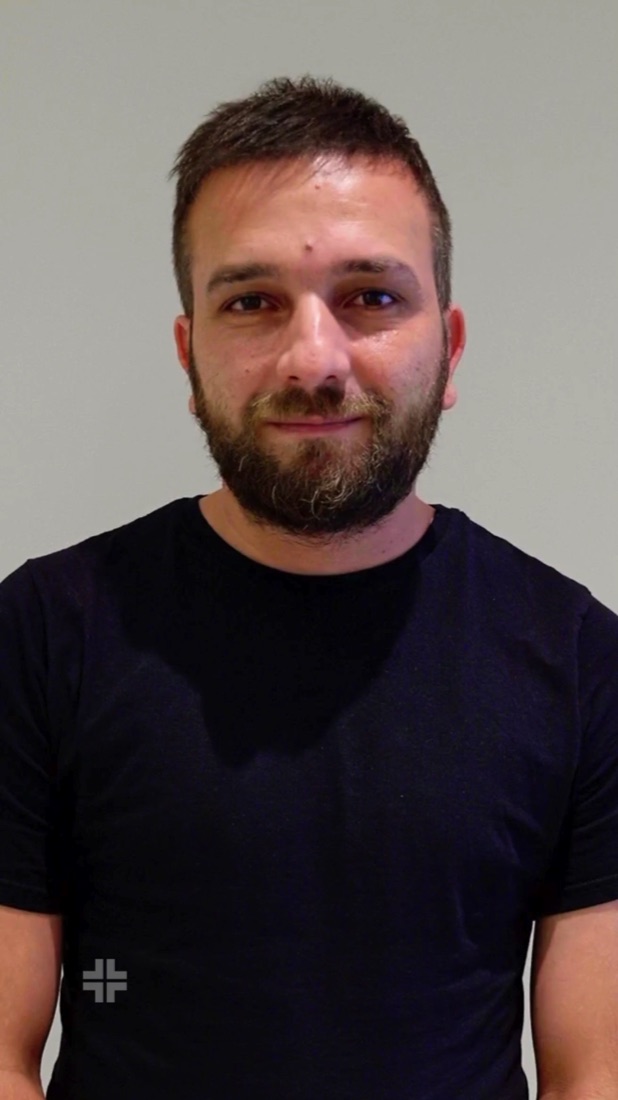
The full twelve-frame sequence, including the weeks he looked worse than before he started, is on the hair page.
The Mechanical Difference, In One Paragraph.
FUE opens recipient channels first and places grafts into them afterwards. DHI loads each graft into a Choi implanter pen that opens the channel and places the follicle in a single movement. Everything else is the same: extraction, anaesthesia, aftercare, the twelve-month curve.
Read the restShow less
Two things follow from that one difference. The pen controls angle and depth per follicle, and the graft spends less time outside the body. Both matter, and neither is magic.
0.6, 0.7 Or 0.9 mm. The Number Nobody Mentions.
The implanter diameter is chosen from your graft thickness, not from a price list. Most DHI cases use three sizes: 0.6 mm for single-hair grafts along the hairline, 0.7 mm for two-hair units in the mid-scalp, 0.9 mm for the thickest three-hair units further back.
Read the restShow less
The needle must match the graft it carries. Too narrow and the follicle is crushed during loading. Too wide and the channel stays open, which invites bleeding and lets the graft shift in the first hours.
A hairline built with 0.9 mm implanters reads as planted from two metres away, because each opening leaves a visible ring of scalp around the shaft. Along the first two or three rows we use 0.6 mm pens loaded with single-hair grafts only, keeping the channel close to the diameter of a natural follicular opening. It is slower work and fewer grafts per hour, and that is the honest reason DHI is priced above sapphire FUE here.
Where DHI Wins, And Where It Does Not.
Precision and unshaven cases. The pen controls angle and depth per follicle, which matters most on the frontal line and for women who cannot shave. Grafts also spend less time outside the body.
Large areas. Channels opened in a controlled sequence let the surgeon plan density across a whole region and place four thousand or more grafts efficiently in one day. For a Norwood 4 to 5 covering hairline and crown, FUE is the pragmatic choice.
Read the restShow less
What we actually recommend for most men is a hybrid: Sapphire FUE across the field with DHI on the frontal hairline only. Density where it is needed, precision where it shows. For women, and for anyone who cannot shave, DHI throughout.
Unshaven: Who Can Actually Have It.
Unshaven DHI is real, and it is not for everyone. It works when the recipient area is small enough that existing hair can be parted around it and the donor can be harvested from a narrow strip that longer hair covers. It stops working as the graft count climbs, because neither the extraction nor the placement can be hidden.
Read the restShow less
- Realistic: a hairline refinement, a temple, a limited frontal zone, most female diffuse cases.
- Not realistic: a full Norwood 5 in one unshaven session. Anyone promising it is promising a compromise on either graft count or donor safety.
The Number That Decides Survival.
Out-of-body time is the variable that actually decides how many follicles live, and it is the one no marketing page mentions. A graft sitting in solution is losing viability from the moment it leaves the scalp.
Read the restShow less
This is where the pen earns its keep: DHI shortens that interval because the graft goes from pen to scalp without waiting for a channel to be cut. It is also why a session should be staffed and sequenced rather than rushed, and why we would rather plan two clean sessions than one heroic one.
What To Ask Before You Book.
- Which implanter diameters does the clinic stock, and how many are opened for your case? A single pen pushed through four thousand grafts blunts, and a blunt needle tears tissue rather than parting it. We open a fresh set for every patient and change tips through the session.
- Is the frontal line DHI or FUE? Both are defensible. A clinic that cannot say which is not planning at that level of detail.
- Who places the grafts, and how many cases has that person done? Placement is the step that decides the outcome.
Read the restShow less
The Ones People Actually Ask.
How many grafts do I need for a hair transplant?
Most patients need between 2,500 and 4,500 grafts. A receding hairline usually takes 2,000-3,000; hairline plus crown 3,500-4,500. The exact number depends on your donor density and the area to be covered. Send two photos and our specialists give you a graft plan free of charge.
What is the difference between Sapphire FUE and DHI Choi?
Sapphire FUE opens micro-channels with sapphire blades, then places grafts. It covers large areas densely in one session and is the standard choice for most male cases. DHI Choi implants each follicle directly with a pen, giving maximum control of angle and depth; it suits hairline detail, women’s cases and unshaven treatment.
Is a hair transplant in Turkey safe and permanent?
Yes, when it is done in a licensed hospital by a specialist team. Swedish Clinic holds Temos international accreditation and a Health Tourism Authorisation Certificate from the Republic of Türkiye Ministry of Health. Transplanted follicles come from the permanent donor zone, so they keep growing for life. We back this with a lifetime growth guarantee.
Does a hair transplant hurt?
The procedure is performed under local anaesthesia. You are awake, comfortable and can watch a film or talk with the team. Only the first injections are felt. Most patients describe mild tightness for two or three days afterwards, managed with simple painkillers.
When will I see the results of my hair transplant?
Transplanted hairs shed in weeks 2-6. This is normal. New growth starts around month 3, becomes visible at months 6-8, and the final density arrives at 12-15 months. Every before/after photo on this page was taken 9-15 months after the operation.
How many days do I need to stay in Istanbul for a hair transplant?
Plan 3 days: arrival and analysis on day one, the operation on day two, the first wash and aftercare briefing on day three. The operation itself is outpatient, no hospital stay, and you can fly home the same evening on day three.
Do you help with hotel, transfers and translation?
Yes. VIP airport transfers, a translator in your language and help with hotel booking are included, so you can focus on the treatment, and enjoy Istanbul between appointments.
What Stands Behind The Plan.






Related Treatments.
Cheeks, jaw and moustache lines, at facial angles.
Eyebrow TransplantSingle follicles, laid almost flat, one at a time.
Hair PRP & Stem Cell TherapyWhat is actually in the syringe, what a course can honestly do for thinning hair, what it cannot do for a bald crown,…
Sapphire FUESapphire tips, larger fields, one planned session.
More On DHI Choi Method.
Choi implanters come in 0.6, 0.7 and 0.9 mm. The right one depends on how thick your grafts are, and the difference…
DHI into thinning hair: adding density without shavingDHI opens the channel and places the graft in one movement, so a surgeon can work between hairs you still have…
Graft out-of-body time: the number that decides survivalFollicle survival falls measurably after roughly two hours outside the scalp. That is the real biological argument…
Take The Whole Thing Away With You.
Techniques, what the operating day looks like, the aftercare schedule and every question above. One PDF for the flight home.
Check Every Claim On This Page, In One Click.
Opens ChatGPT with this page already loaded as its source, so you can compare our plan against international standards and ask anything you like before you decide. The conversation is yours. We never see it.
Ask ChatGPT about this plan