
A Beard Is Read By Its Angles.
Facial hair leaves the skin at a far sharper angle than scalp hair, and the direction changes across cheek, jaw, chin and moustache. Get that map wrong and no graft count rescues it.
- Days in Istanbul
- 2-3
- Hospital stay
- Outpatient
- Anaesthesia
- Local
- Typical size
- 800-1,500 grafts
- Crusts gone
- 7-10 days
- Close shave
- About a month
The Rooms This Runs In.
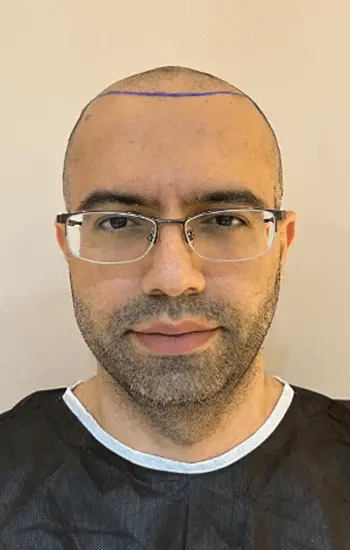
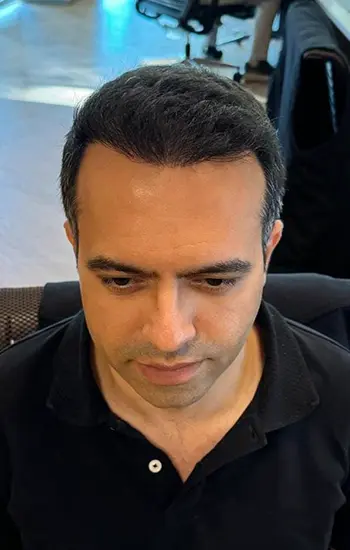
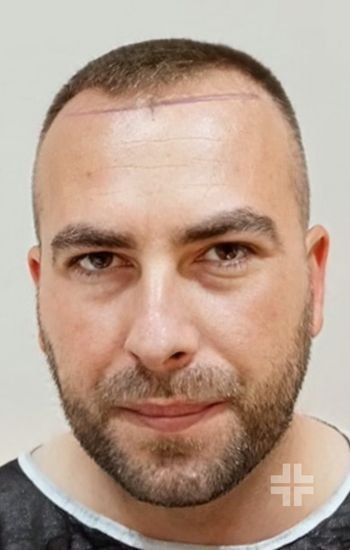
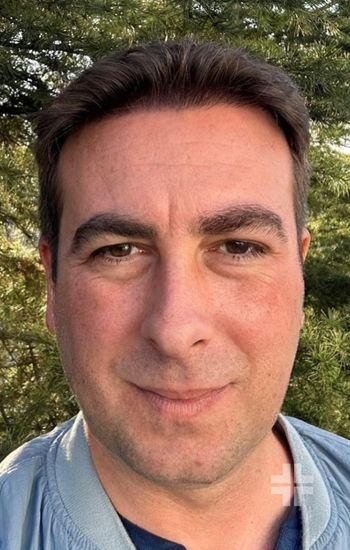
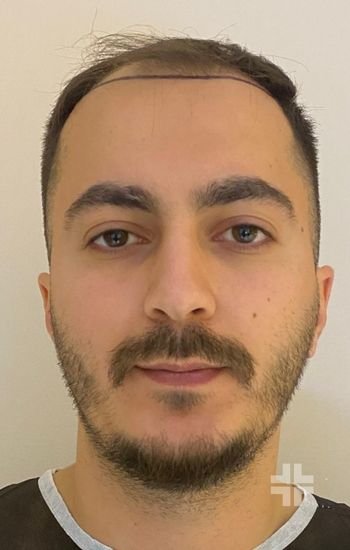
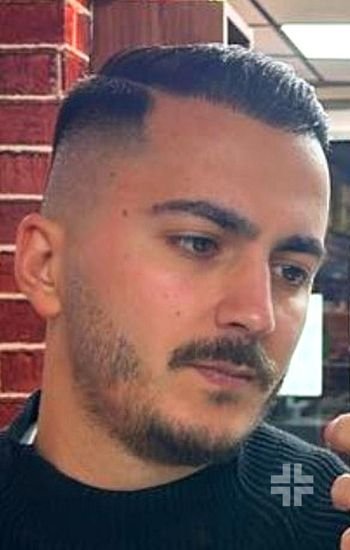
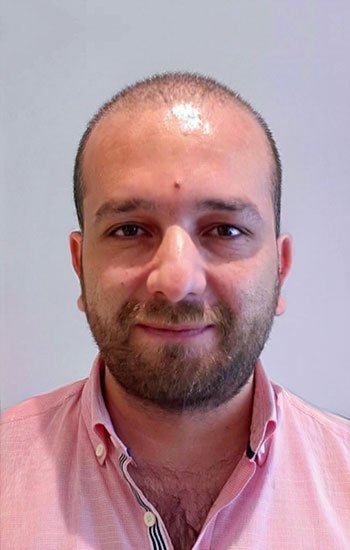
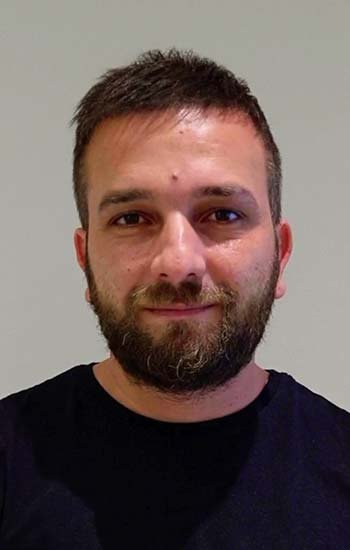
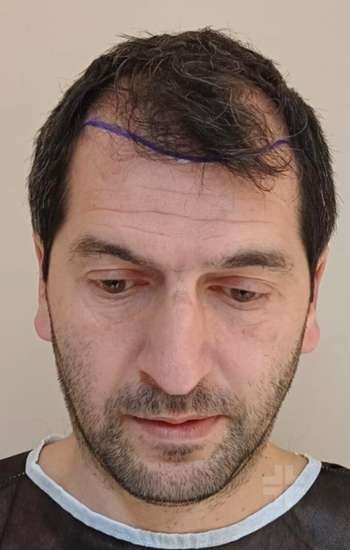
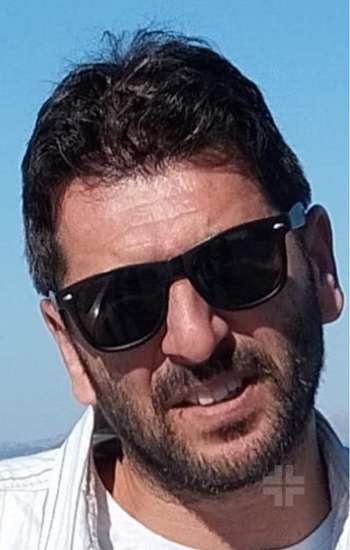
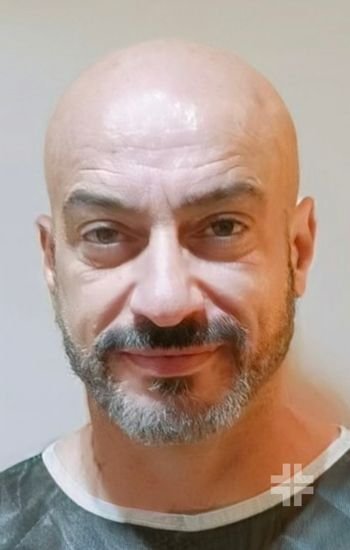
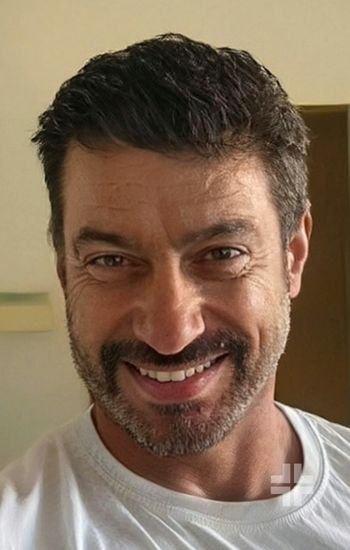
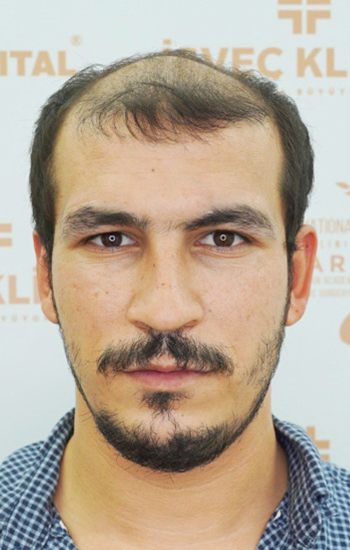
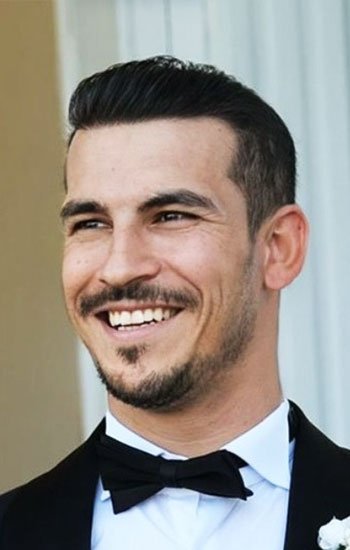
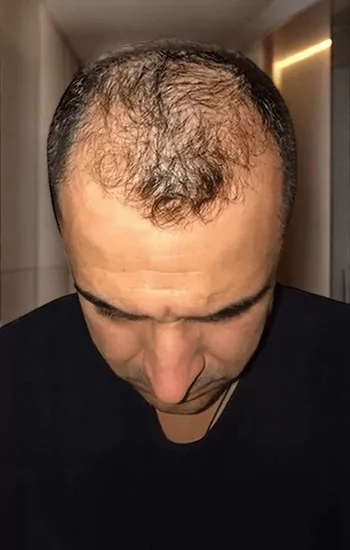
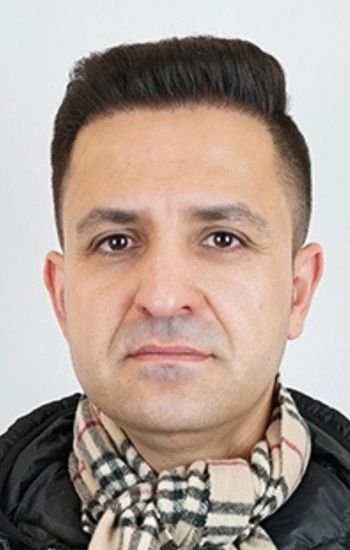
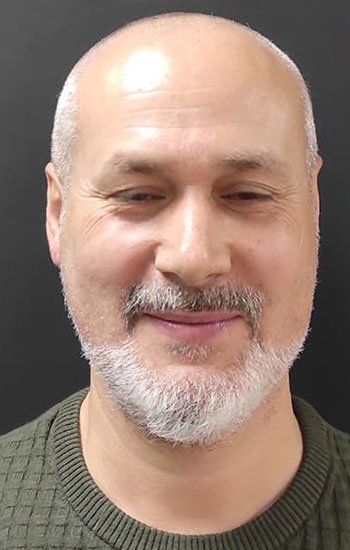
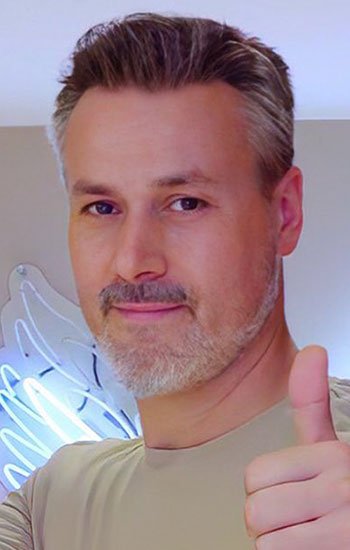
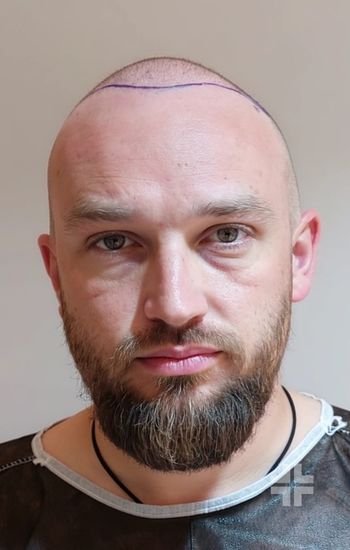
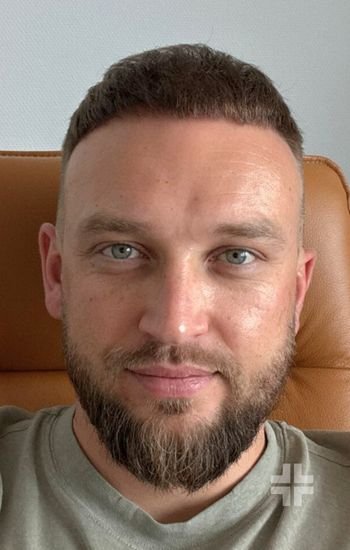
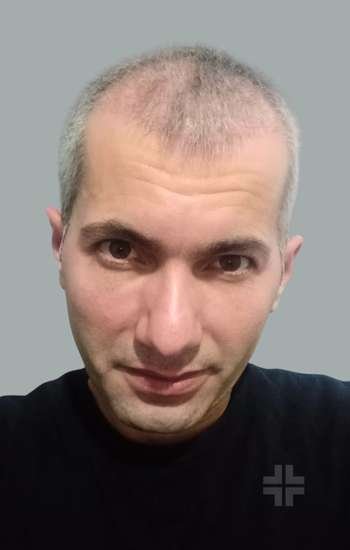
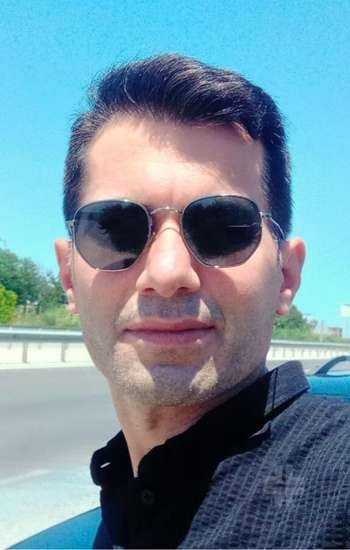
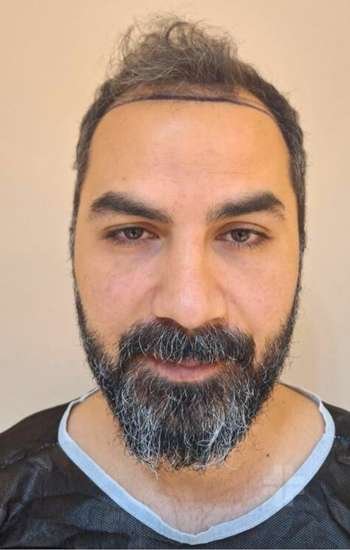
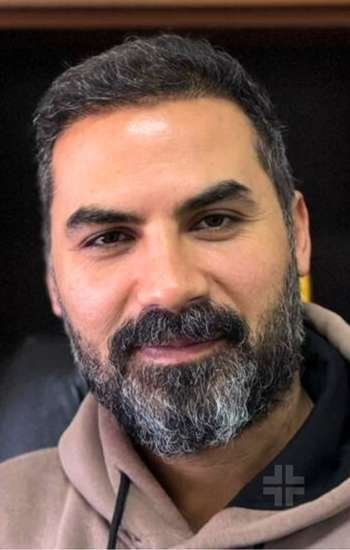
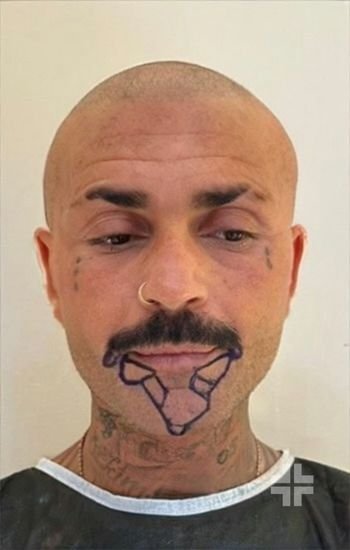
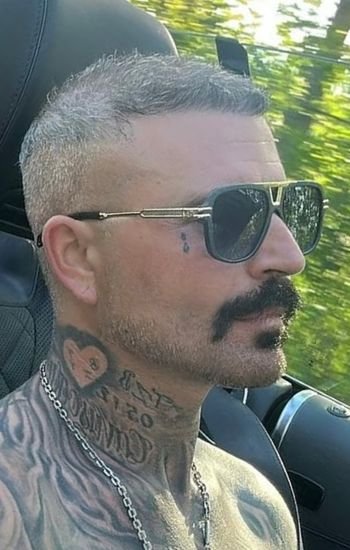
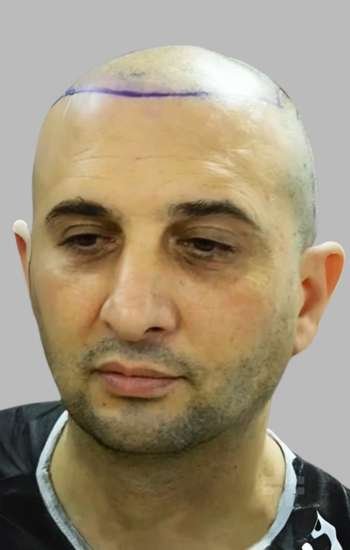
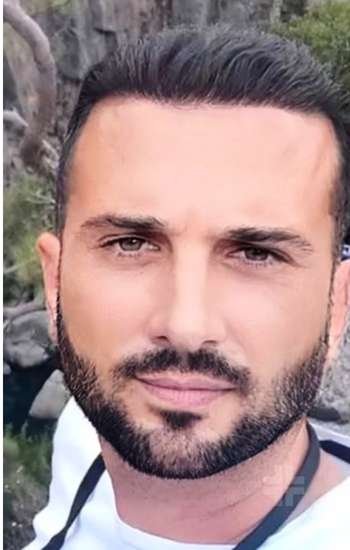
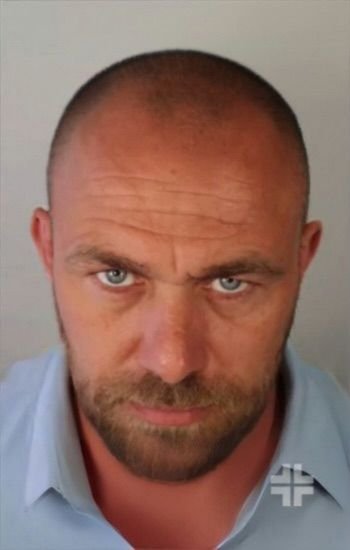
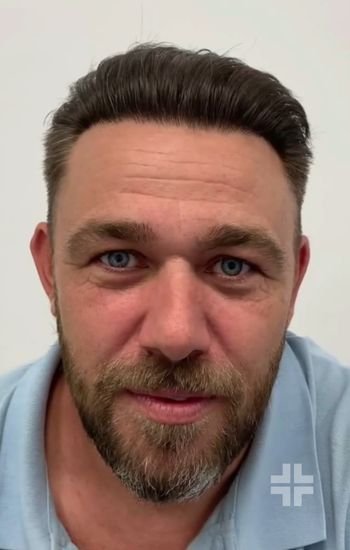
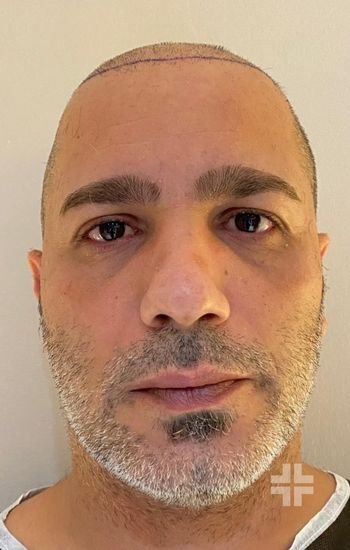
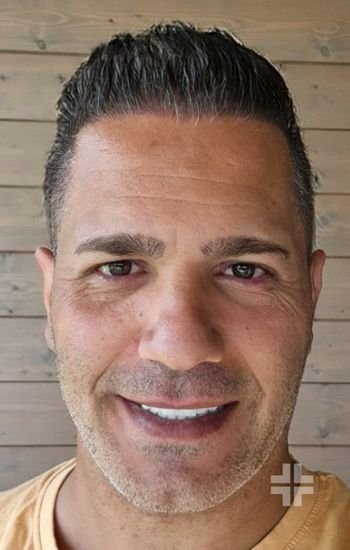
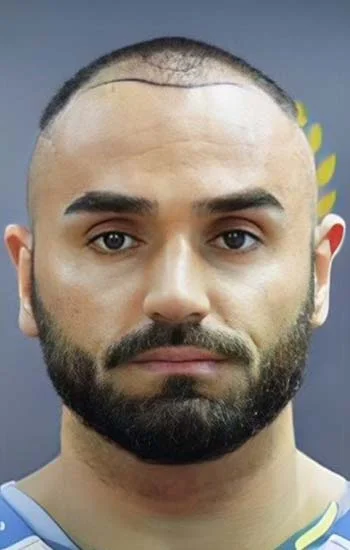
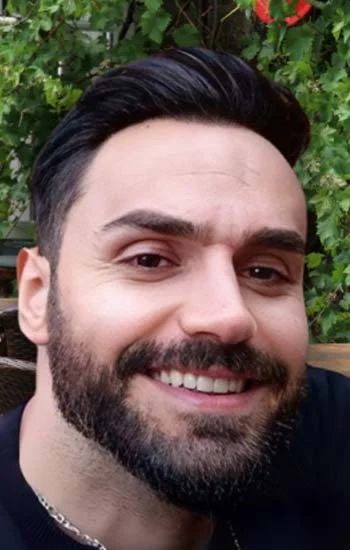
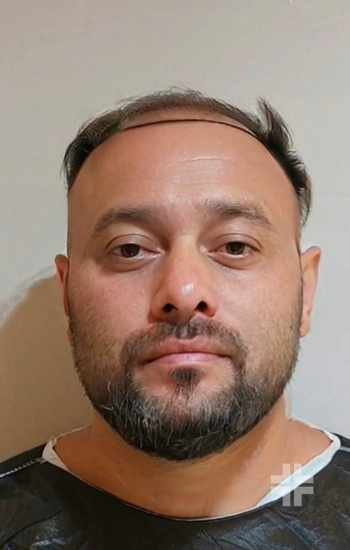
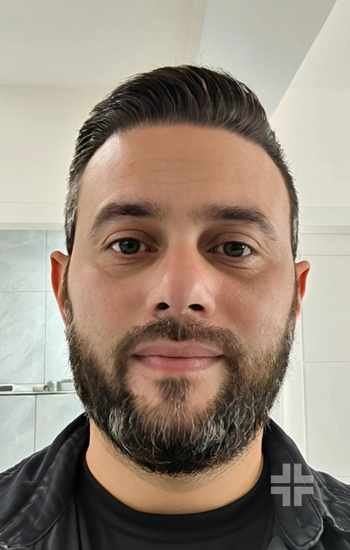
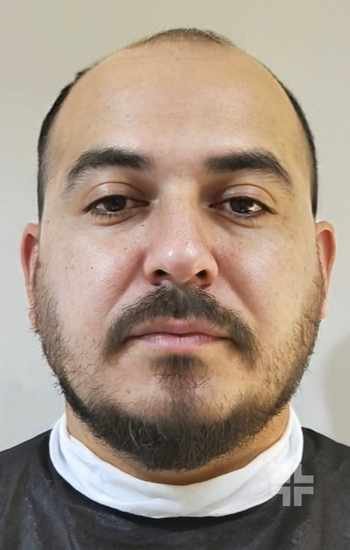
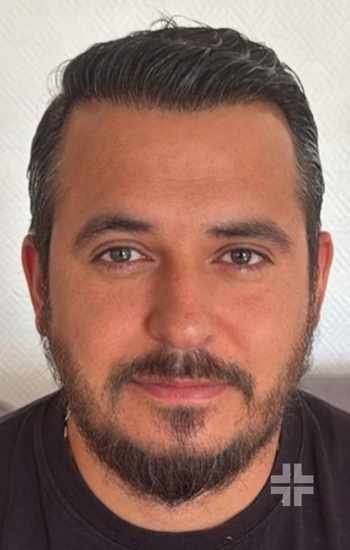
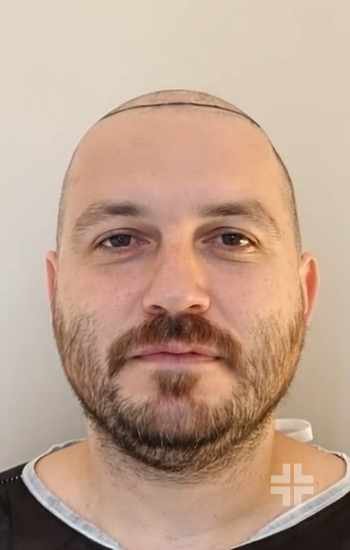
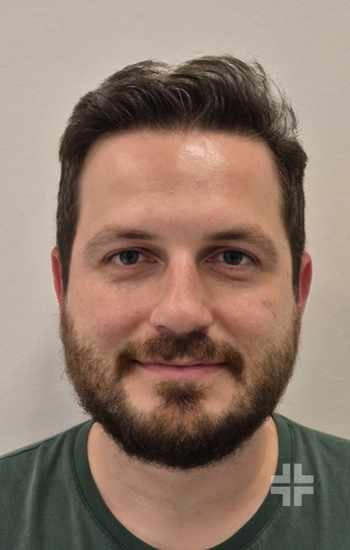
Hair transplant patients from the same theatres, the same team and the same twelve-month follow-up your treatment runs on. Each man photographed twice; the flag is the country he flew from.
On Video.
Filmed at the clinic. Tap any card to watch.
Start With Two Photographs.
Send two photographs. A surgeon reads them and tells you what is realistic, including when the answer is no.
A consultant is online now

Rated By The People Who Went Through It.

“One year on and nobody can tell. The hairline they designed suits my face. It does not look transplanted.”

“Professional, warm and honest. They told me exactly what my donor area could give and never oversold.”

“Missing teeth affected my daily life for years. From the first exam my doctor’s care and expertise made me feel safe at every stage.”

“Clean, modern hospital and a team that answered every message within minutes. I already recommended them to two friends.”

“I wanted my nose softened, not replaced. The surgeon showed me the simulation and the result is exactly that.”

“Fourteen months on and I am 38 kilos lighter. The dietitian called me every single month. That made the difference.”

“Type-2 diabetes for nine years, off medication four months after the bypass. My own doctor could not believe the blood work.”

“Forty minutes, local anaesthetic, back at the hotel for lunch. A week later I looked ten years less tired.”

“At 54 I did not want to look done. Six weeks on, friends say I look rested.”
The Same Man, Three Times.
Beginning, middle and end of one twelve-month course. The middle frame is the one that is normally left out.
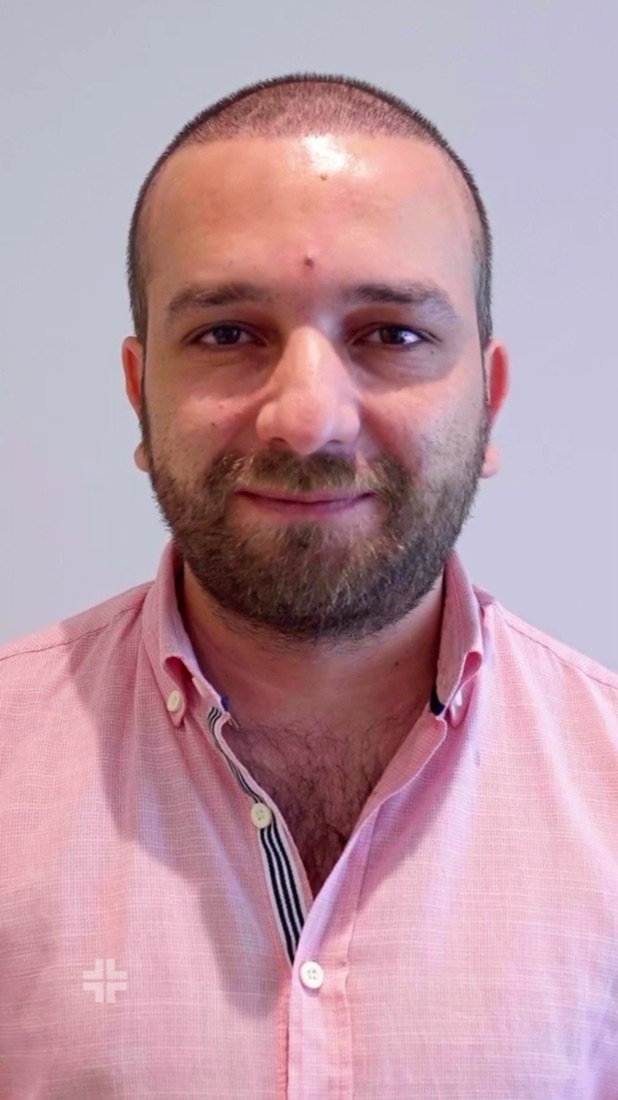
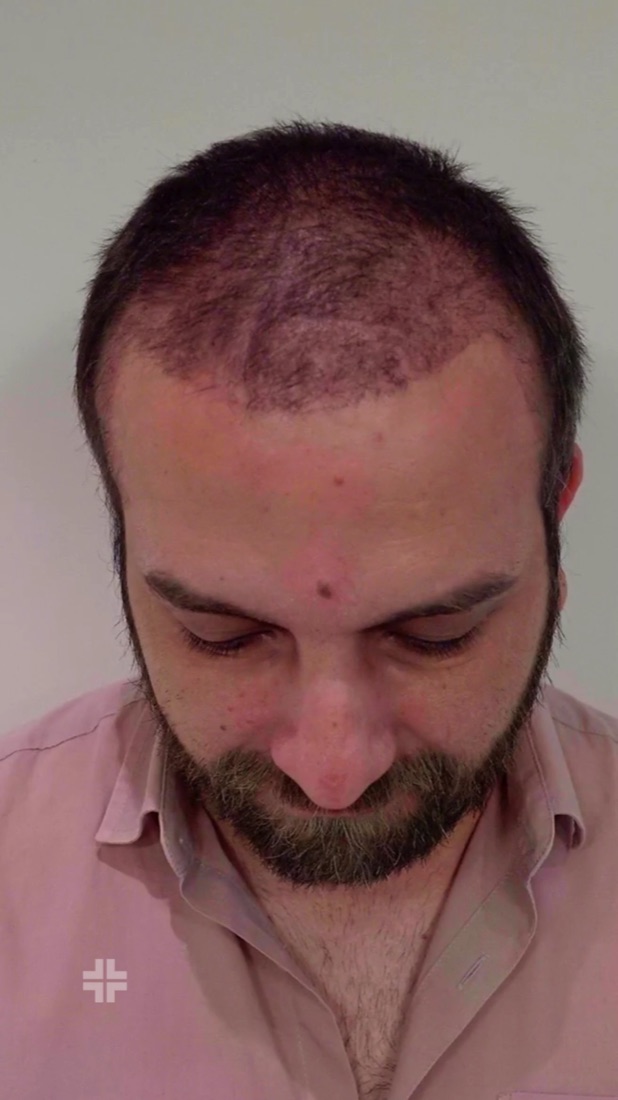
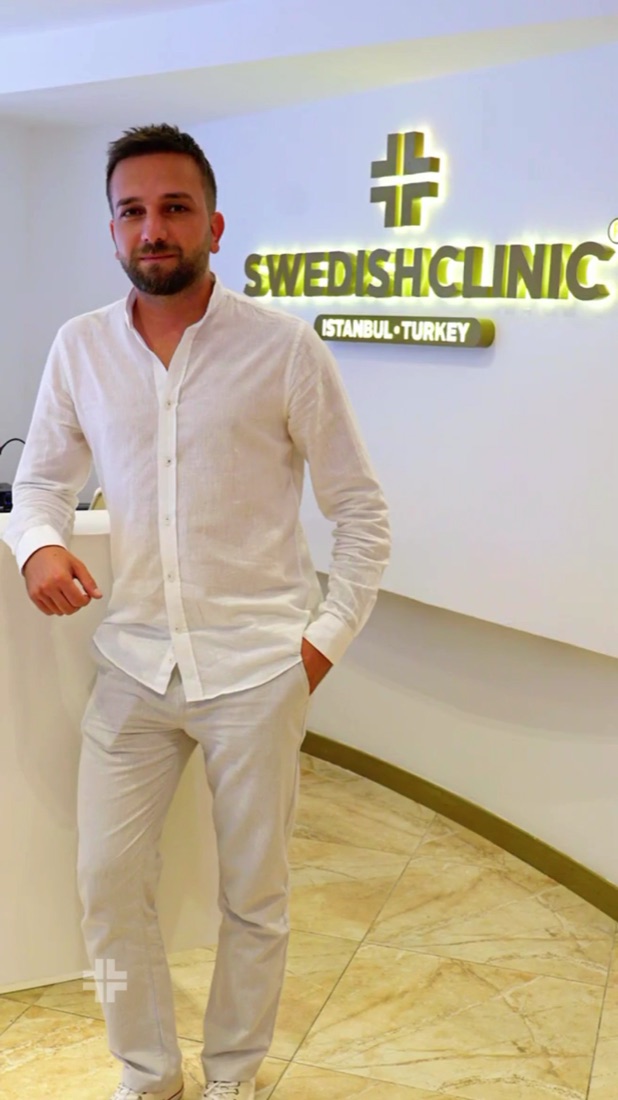
The full twelve-frame sequence, including the weeks he looked worse than before he started, is on the hair page.
Why Direction Beats Graft Count.
Facial hair grows at roughly fifteen to twenty-five degrees to the skin on the cheeks, almost flat under the jaw, and turns downward and inward across the chin. Scalp hair leaves at forty to forty-five.
Read the restShow less
A surgeon who carries the scalp habit onto a face produces hair that stands away from the skin, catches light wrongly and never sits properly under a razor. This is the single most common giveaway of a poor beard transplant, and no number of grafts corrects it.
Before the first graft we mark flow lines on your own face: cheeks sweeping down and slightly back, the moustache angling down and outward from the philtrum, the chin fanning down and out, and a clean line where the neck begins. These directions are not universal. We copy the pattern your own facial hair already shows, which is why the area is photographed under raking light at the consultation instead of being planned from a template.
Single Hairs, And Why Little Else.
Beard hair is naturally single-follicle at every border, and the border is what the eye reads first. We split donor units so the moustache edge, the cheek line and the chin outline receive single-hair grafts, keeping two-hair units for the dense interior only.
Read the restShow less
A cheek line built from doubles looks tufted at conversational distance even when the total graft number is exactly right. That is the most common giveaway in a result that was otherwise well planned.
Where The Grafts Come From.
Beard grafts are taken from the back of the scalp, where texture and calibre come closest to facial hair. Cheek and jaw areas usually need 800 to 1,500 grafts; a full beard built from very sparse growth can reach 3,000.
Read the restShow less
How Patchy Is Too Patchy?
- Good candidate: defined gaps in an otherwise established beard, a thin moustache line, a scar to be filled, an outline that never joined up.
- Good candidate: a stable pattern that has not changed in a year or two.
- Not a candidate: active acne in the recipient area. It is treated first.
- Not a candidate: unstable alopecia areata affecting the beard. Transplanting into an area that is still losing hair spends grafts on a moving target.
- Not a candidate: a scalp donor already depleted by a previous hair transplant. All three are checked before we quote.
The Shaving Calendar, Week By Week.
- Days 1-3. Small crusts at every graft. No touching, no razor, no towel rubbing.
- Days 7-10. Crusts fall away on their own. The face looks normal again to anyone not looking for it.
- Week 2. Trimming with scissors or a guard is possible.
- About a month. Close shaving with a blade is safe.
- Month 3 onward. Transplanted beard hair sheds like scalp grafts and regrows from here. The result is judged at nine to twelve months, not before.
Why We Plan A Moderate First Pass.
We deliberately plan a moderate first session and review at month twelve, because density that looks correct on a swollen face on day one often looks heavy once everything settles.
Read the restShow less
Adding grafts later takes an hour under local anaesthesia. Thinning out a beard that was overbuilt is a much harder conversation, and it is not always fully reversible. Pricing here is a package for the area rather than a per-graft rate, so a second pass is not a device for selling more grafts.
The Ones People Actually Ask.
How many grafts do I need for a hair transplant?
Most patients need between 2,500 and 4,500 grafts. A receding hairline usually takes 2,000-3,000; hairline plus crown 3,500-4,500. The exact number depends on your donor density and the area to be covered. Send two photos and our specialists give you a graft plan free of charge.
What is the difference between Sapphire FUE and DHI Choi?
Sapphire FUE opens micro-channels with sapphire blades, then places grafts. It covers large areas densely in one session and is the standard choice for most male cases. DHI Choi implants each follicle directly with a pen, giving maximum control of angle and depth; it suits hairline detail, women’s cases and unshaven treatment.
Is a hair transplant in Turkey safe and permanent?
Yes, when it is done in a licensed hospital by a specialist team. Swedish Clinic holds Temos international accreditation and a Health Tourism Authorisation Certificate from the Republic of Türkiye Ministry of Health. Transplanted follicles come from the permanent donor zone, so they keep growing for life. We back this with a lifetime growth guarantee.
Does a hair transplant hurt?
The procedure is performed under local anaesthesia. You are awake, comfortable and can watch a film or talk with the team. Only the first injections are felt. Most patients describe mild tightness for two or three days afterwards, managed with simple painkillers.
When will I see the results of my hair transplant?
Transplanted hairs shed in weeks 2-6. This is normal. New growth starts around month 3, becomes visible at months 6-8, and the final density arrives at 12-15 months. Every before/after photo on this page was taken 9-15 months after the operation.
How many days do I need to stay in Istanbul for a hair transplant?
Plan 3 days: arrival and analysis on day one, the operation on day two, the first wash and aftercare briefing on day three. The operation itself is outpatient, no hospital stay, and you can fly home the same evening on day three.
Do you help with hotel, transfers and translation?
Yes. VIP airport transfers, a translator in your language and help with hotel booking are included, so you can focus on the treatment, and enjoy Istanbul between appointments.
What Stands Behind The Plan.







Related Treatments.
Single follicles, laid almost flat, one at a time.
Hair PRP & Stem Cell TherapyWhat is actually in the syringe, what a course can honestly do for thinning hair, what it cannot do for a bald crown,…
Sapphire FUESapphire tips, larger fields, one planned session.
DHI Choi MethodImplanter pen, no blade. Precision and unshaven cases.
More On Beard Transplant.
Facial hair leaves the skin at 15-25 degrees, scalp hair at 40-45. A surgeon who transfers the scalp habit to a face…
Shaving after a beard transplant: a week-by-week calendarNo blade, razor or trimmer for fourteen days. Trimmer with a guard at week three, foil shaver at week four, wet razor…
Beard transplant: how patchy is too patchy to fix?Almost any pattern can be improved, the limiting factor is scalp donor supply, not the beard itself.

Take The Whole Thing Away With You.
Techniques, what the operating day looks like, the aftercare schedule and every question above. One PDF for the flight home.
Check Every Claim On This Page, In One Click.
Opens ChatGPT with this page already loaded as its source, so you can compare our plan against international standards and ask anything you like before you decide. The conversation is yours. We never see it.
Ask ChatGPT about this plan