
Sapphire FUE, Without The Sales Pitch.
A sapphire tip opens the channels your grafts sit in. It changes the first fortnight in ways you can see, and it changes nothing at all about how many hairs survive. Both halves of that sentence matter, so here is the whole thing.
- Days in Istanbul
- 3
- Hospital stay
- Outpatient
- Anaesthesia
- Local
- Back to desk work
- 2-3 days
- Presentable
- 10-12 days
- Judged at
- 12 months
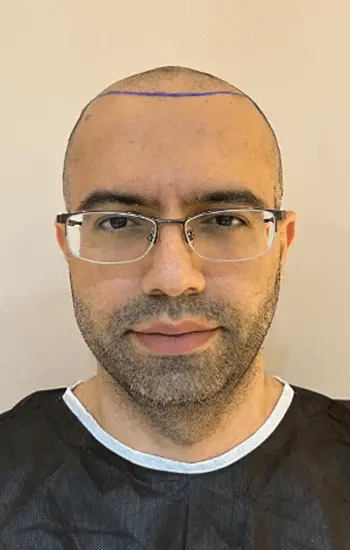
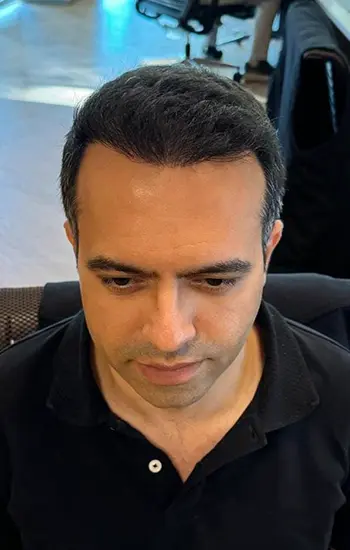
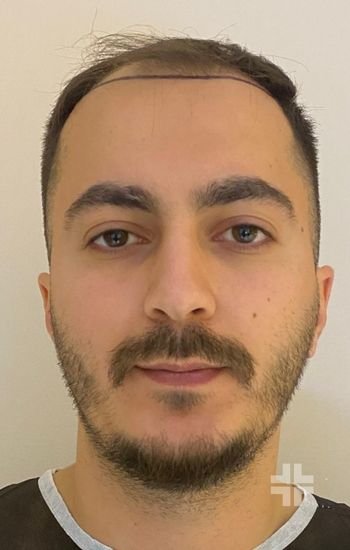
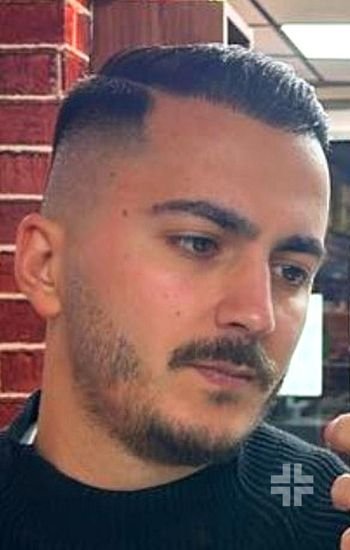
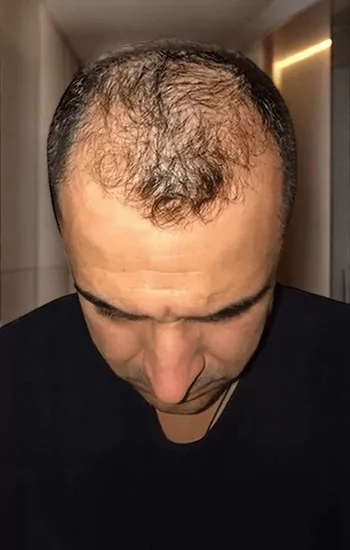
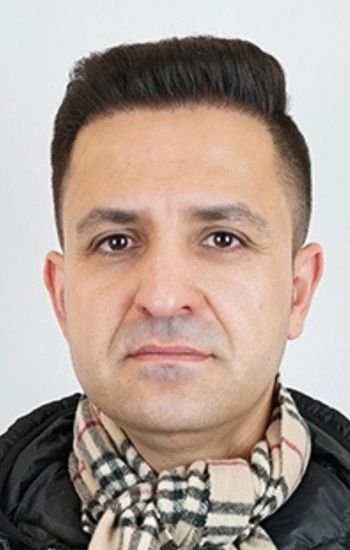
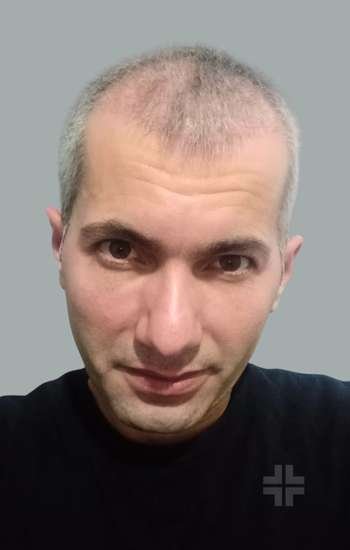
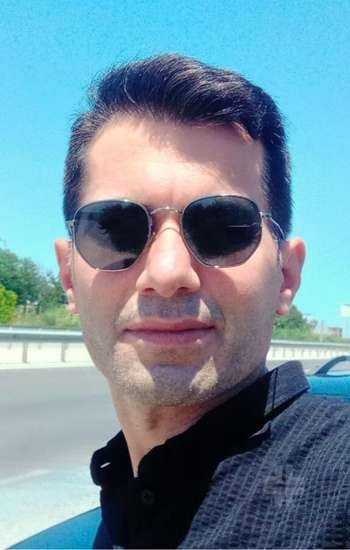
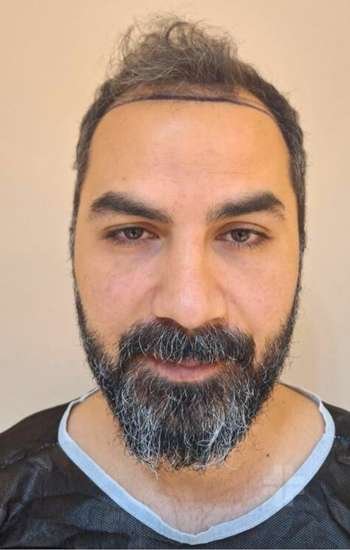
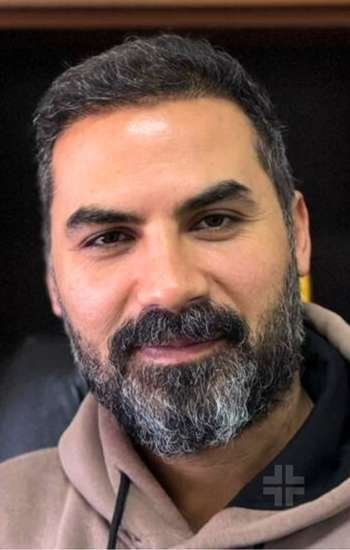
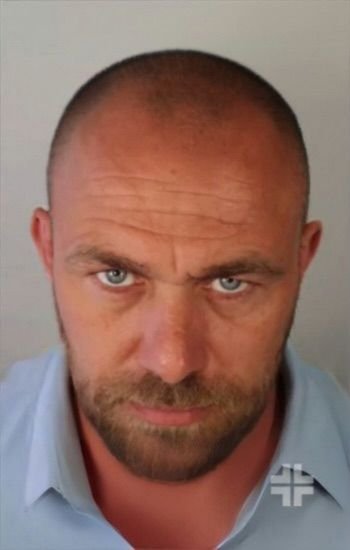
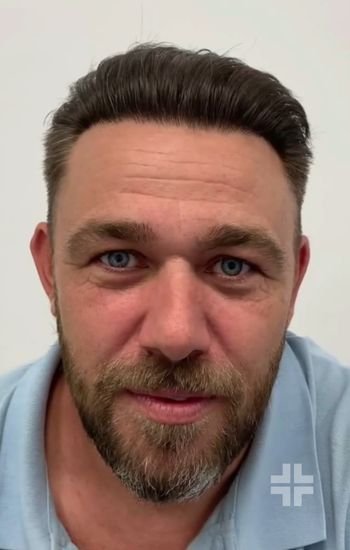
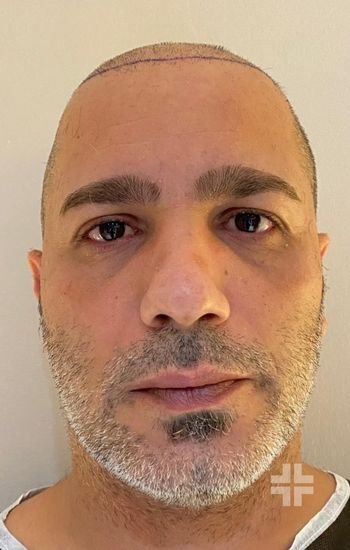
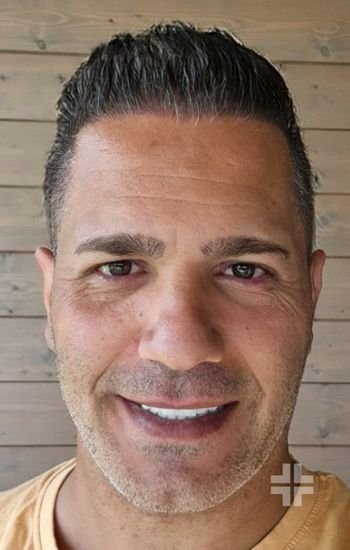
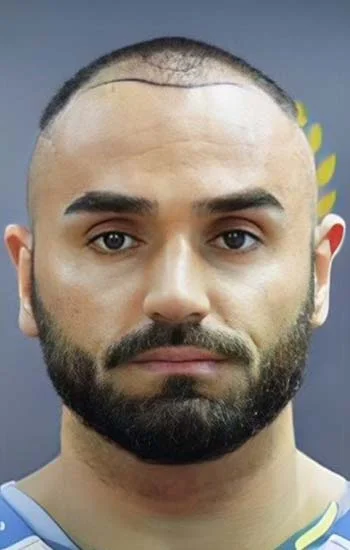
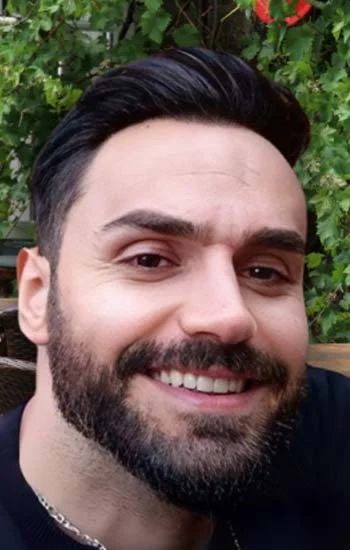
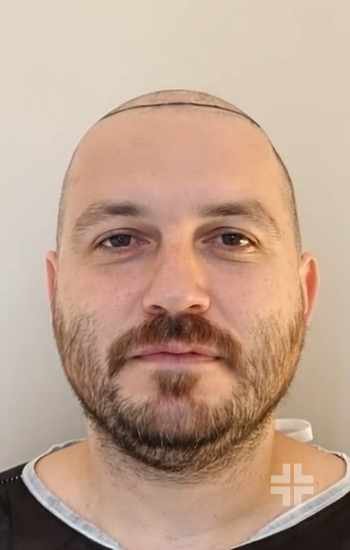
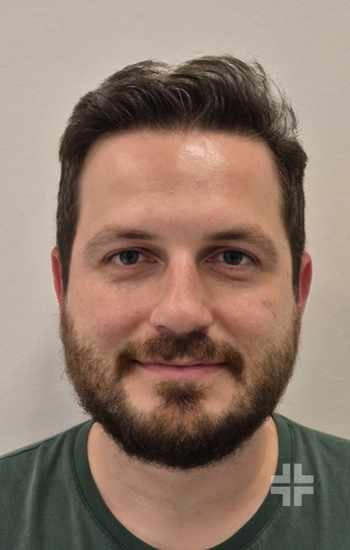
Before And After.
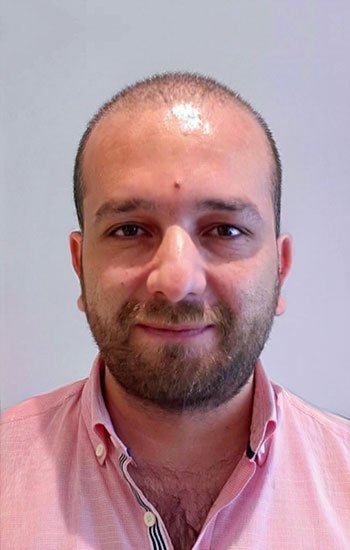
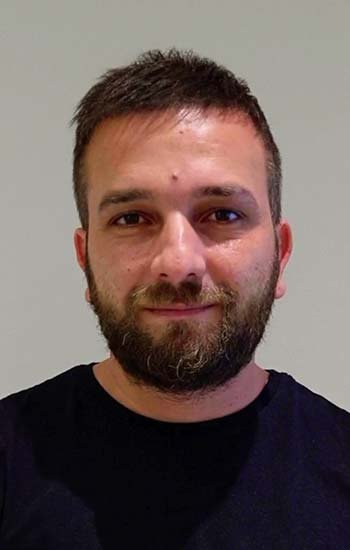
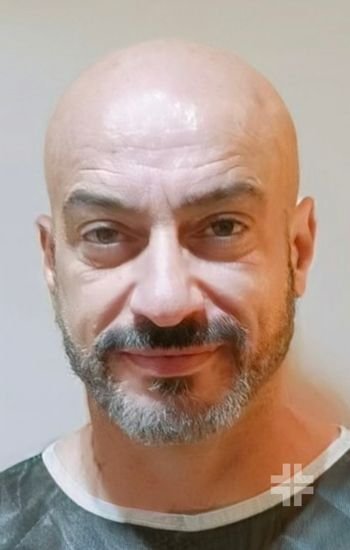
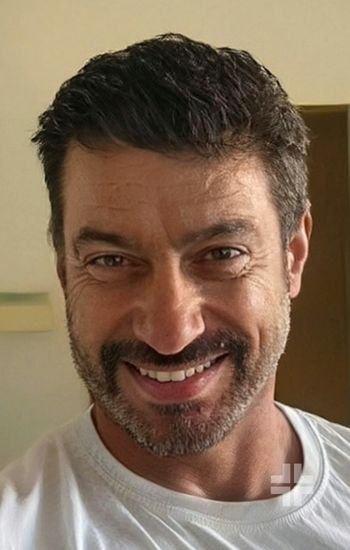
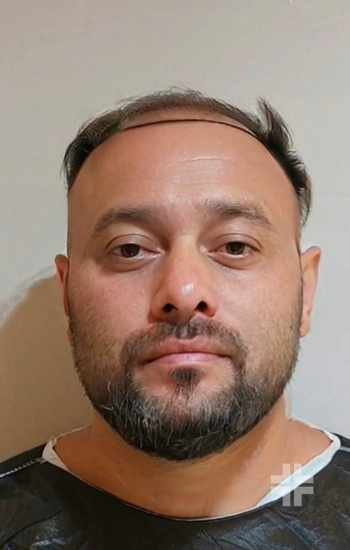
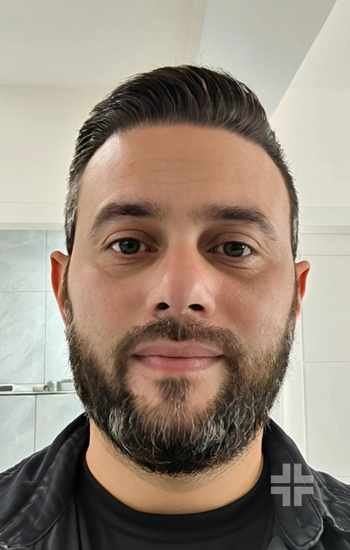
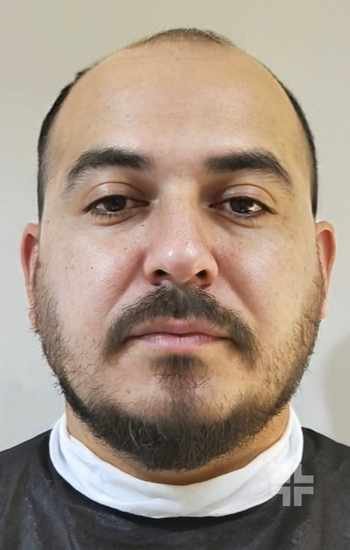
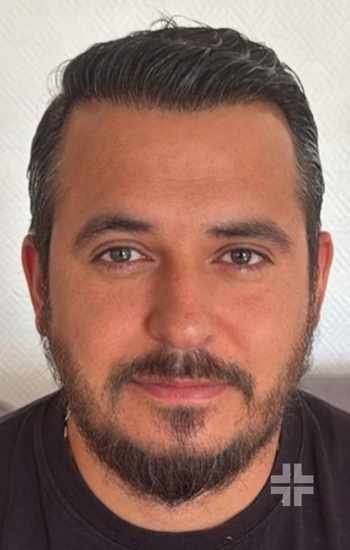
Each man photographed twice, nine to fifteen months apart. The flag is the country he flew from.
On Video.
Filmed at the clinic. Tap any card to watch.
Start With Two Photographs.
Send two photographs. A surgeon reads them and tells you what is realistic, including when the answer is no.
A consultant is online now

Rated By The People Who Went Through It.

“One year on and nobody can tell. The hairline they designed suits my face. It does not look transplanted.”

“Professional, warm and honest. They told me exactly what my donor area could give and never oversold.”

“Missing teeth affected my daily life for years. From the first exam my doctor’s care and expertise made me feel safe at every stage.”

“Clean, modern hospital and a team that answered every message within minutes. I already recommended them to two friends.”

“I wanted my nose softened, not replaced. The surgeon showed me the simulation and the result is exactly that.”

“Fourteen months on and I am 38 kilos lighter. The dietitian called me every single month. That made the difference.”

“Type-2 diabetes for nine years, off medication four months after the bypass. My own doctor could not believe the blood work.”

“Forty minutes, local anaesthetic, back at the hotel for lunch. A week later I looked ten years less tired.”

“At 54 I did not want to look done. Six weeks on, friends say I look rested.”
The Same Man, Three Times.
Beginning, middle and end of one twelve-month course. The middle frame is the one that is normally left out.
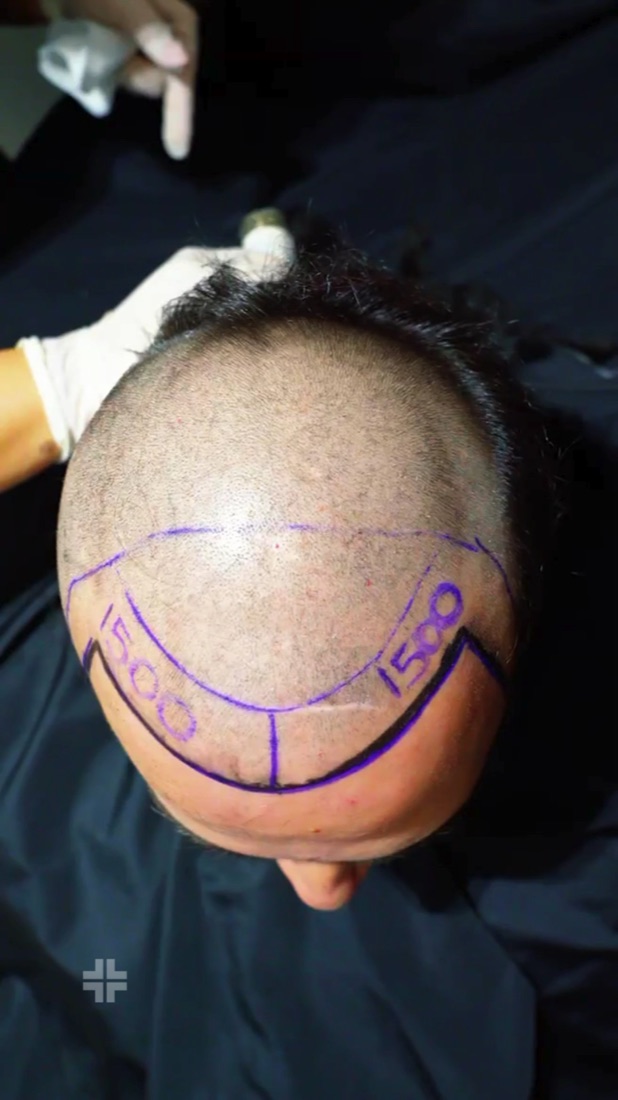
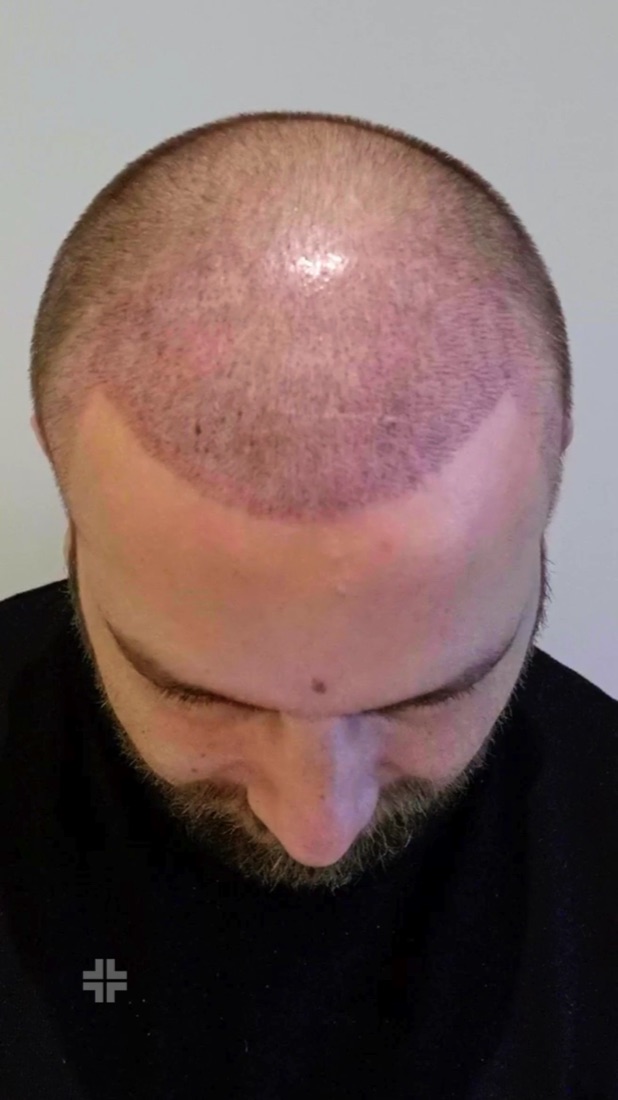
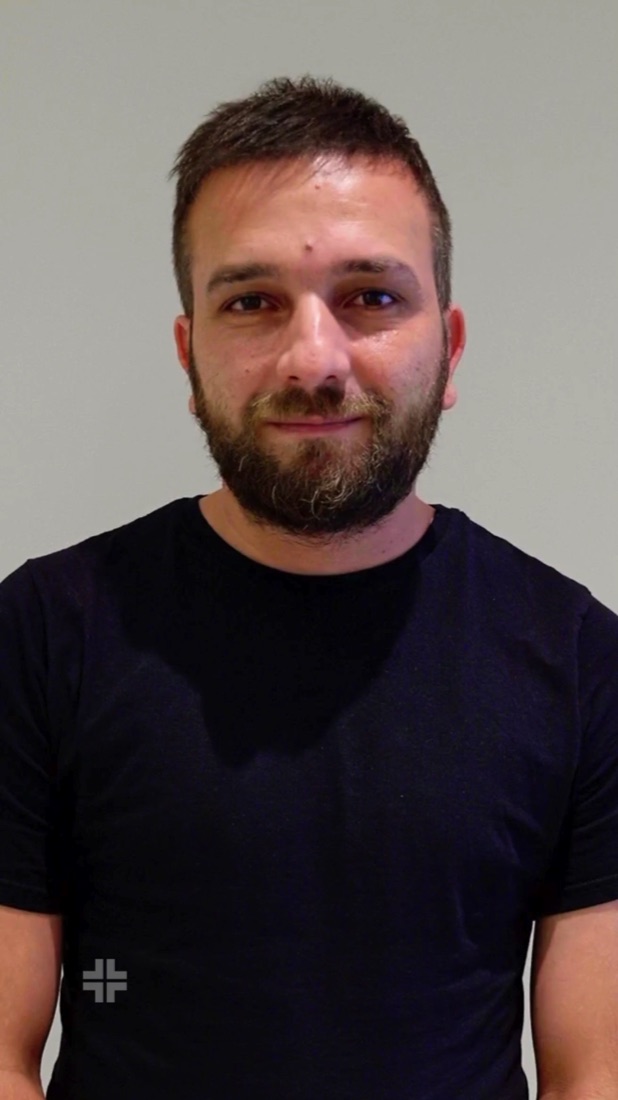
The full twelve-frame sequence, including the weeks he looked worse than before he started, is on the hair page.
What The Blade Actually Is.
A sapphire blade is a tip cut from synthetic corundum, the same crystal family as the gemstone. It does one job: it opens the recipient channels that grafts are later placed into. It does not extract follicles and it never touches the donor area.
Read the restShow less
Conventional channels are cut with flat steel. The sapphire tip is ground to a V or a cone, so the channel it opens is narrower at the surface and deeper than it is wide. That shape is the entire mechanism. Everything a sapphire tip can and cannot do follows from it, and nothing follows from the word sapphire.
What It Changes, And What It Does Not.
This is the part most clinics blur, so we have split it in two.
Read the restShow less
A harder, smoother edge makes a cleaner incision with less lateral tissue damage, so the channel closes more tightly around each graft. In practice: smaller crusts, a scalp that looks presentable two or three days earlier, slightly less oozing on the first evening. Real, observable differences in the first fortnight.
No blade increases the number of follicles that survive. Survival is decided by how long grafts spend outside the body, how gently they are handled, and the skill of the person placing them. Sapphire adds no density, does not shorten the twelve-month growth curve, and cannot rescue a badly designed hairline.
Sapphire, DHI Or Classic FUE. Which One You Actually Need.
These are not three tiers of quality. They are three ways of getting a follicle into the scalp, and the right one depends on the area, not on the price list.
Read the restShow less
Sapphire FUE
Channels are opened first, grafts are placed after. This is the tool for large areas: a hairline and a crown in the same session, where the surgeon plans density across a whole region before placing anything. For a Norwood 4 to 5 it is the pragmatic choice, and it is our default for that reason.
DHI Choi
An implanter pen opens the channel and places the graft in one movement. No blade is involved at all. It gives maximum control of angle and depth, which is why it suits small, high-precision areas and unshaven cases. It is slower per graft, so it is not the natural choice for four thousand of them.
Classic steel FUE
The same procedure with a flat steel slit. It works, it has worked for years, and the difference you would notice is in the first two weeks rather than in the final result.
Who It Suits, And Who It Does Not.
- It suits a stable pattern of loss with a donor area that can cover what you want covered, in one or two planned sessions.
- It suits large fields where density in a single session is the goal, which is the most common reason people fly here.
- It does not suit active, fast loss that has not been stabilised. Transplanting into a field that is still shedding hides the problem for a year and then exposes it.
- It does not suit a donor area that cannot cover both the hairline and the crown. When that is the case we build the frame first and tell you why.
- It does not suit anyone whose expectation is the density they had at twenty. A transplant redistributes hair. It does not create it.
The Day Itself.
One day, local anaesthesia, no general anaesthetic and no overnight stay.
Read the restShow less
- Morning. Densitometry and design. The hairline is drawn on your own head and the graft count is written where you can see it, before anything is opened.
- Extraction. Follicular units are taken from the permanent donor zone at the back and sides, one at a time, and held in chilled solution.
- Channels. The sapphire tips open the recipient sites at the angle and density agreed in the morning. This is the step the blade belongs to.
- Placement. Each graft goes into its channel. This is the step that decides the result, and it is where time out of the body is counted.
- Evening. You go back to the hotel. The first wash is done with us the next day, and you are shown how to do it yourself.
The Year Afterwards.
- Days 1-3. Swelling, mostly on the forehead. Desk work is realistic from day two or three.
- Days 10-12. Crusts have cleared. Most people are presentable at this point, which is where the sapphire tip earns its keep.
- Weeks 3-8. The shedding phase. The transplanted hairs fall out. Some native hairs near them go too, so the area can look emptier than the day of surgery. Nothing has failed. The follicle stayed; the shaft it was carrying did not.
- Months 4-6. New growth pushes through, thinner and finer than it will end up.
- Months 9-12. Calibre fills in. This is the stage a result should be judged at, and it is the only stage we will show you as a result.
What We Will Not Do.
- We will not quote a graft number from a photograph alone. The number comes from densitometry at the examination, and if it changes after we see your scalp, you are told why.
- We will not sell the tip as an upgrade.
- We will not transplant into unstable loss to fill a calendar.
- We will not photograph a result at month four and present it as the outcome.
The Ones People Actually Ask.
How many grafts do I need for a hair transplant?
Most patients need between 2,500 and 4,500 grafts. A receding hairline usually takes 2,000-3,000; hairline plus crown 3,500-4,500. The exact number depends on your donor density and the area to be covered. Send two photos and our specialists give you a graft plan free of charge.
What is the difference between Sapphire FUE and DHI Choi?
Sapphire FUE opens micro-channels with sapphire blades, then places grafts. It covers large areas densely in one session and is the standard choice for most male cases. DHI Choi implants each follicle directly with a pen, giving maximum control of angle and depth; it suits hairline detail, women’s cases and unshaven treatment.
Is a hair transplant in Turkey safe and permanent?
Yes, when it is done in a licensed hospital by a specialist team. Swedish Clinic holds Temos international accreditation and a Health Tourism Authorisation Certificate from the Republic of Türkiye Ministry of Health. Transplanted follicles come from the permanent donor zone, so they keep growing for life. We back this with a lifetime growth guarantee.
Does a hair transplant hurt?
The procedure is performed under local anaesthesia. You are awake, comfortable and can watch a film or talk with the team. Only the first injections are felt. Most patients describe mild tightness for two or three days afterwards, managed with simple painkillers.
When will I see the results of my hair transplant?
Transplanted hairs shed in weeks 2-6. This is normal. New growth starts around month 3, becomes visible at months 6-8, and the final density arrives at 12-15 months. Every before/after photo on this page was taken 9-15 months after the operation.
How many days do I need to stay in Istanbul for a hair transplant?
Plan 3 days: arrival and analysis on day one, the operation on day two, the first wash and aftercare briefing on day three. The operation itself is outpatient, no hospital stay, and you can fly home the same evening on day three.
Do you help with hotel, transfers and translation?
Yes. VIP airport transfers, a translator in your language and help with hotel booking are included, so you can focus on the treatment, and enjoy Istanbul between appointments.
What Stands Behind The Plan.






Related Treatments.
Implanter pen, no blade. Precision and unshaven cases.
Beard TransplantCheeks, jaw and moustache lines, at facial angles.
Eyebrow TransplantSingle follicles, laid almost flat, one at a time.
Hair PRP & Stem Cell TherapyWhat is actually in the syringe, what a course can honestly do for thinning hair, what it cannot do for a bald crown,…

Take The Whole Thing Away With You.
Techniques, what the operating day looks like, the aftercare schedule and every question above. One PDF for the flight home.
Check Every Claim On This Page, In One Click.
Opens ChatGPT with this page already loaded as its source, so you can compare our plan against international standards and ask anything you like before you decide. The conversation is yours. We never see it.
Ask ChatGPT about this plan