
Releasing Ligaments, Not Just Pulling Skin.
A SMAS lift tightens the muscular layer. A deep-plane lift releases the ligaments underneath it and moves skin and muscle together as one unit. That difference is what decides whether the cheek travels upward or only sideways.
- Days in Istanbul
- 8
- Hospital stay
- 1 night
- Plane
- Deep plane
- Bruising
- 2-3 weeks
- Final result
- 6-12 months
Start With Two Photographs.
Send two photographs. A surgeon reads them and tells you what is realistic, including when the answer is no.
A consultant is online now

Rated By The People Who Went Through It.

“Missing teeth affected my daily life for years. From the first exam my doctor’s care and expertise made me feel safe at every stage.”

“Clean, modern hospital and a team that answered every message within minutes. I already recommended them to two friends.”

“One year on and nobody can tell. The hairline they designed suits my face. It does not look transplanted.”

“I wanted my nose softened, not replaced. The surgeon showed me the simulation and the result is exactly that.”

“Fourteen months on and I am 38 kilos lighter. The dietitian called me every single month. That made the difference.”

“Type-2 diabetes for nine years, off medication four months after the bypass. My own doctor could not believe the blood work.”

“Professional, warm and honest. They told me exactly what my donor area could give and never oversold.”

“Forty minutes, local anaesthetic, back at the hotel for lunch. A week later I looked ten years less tired.”

“At 54 I did not want to look done. Six weeks on, friends say I look rested.”
One Patient, Three Frames.
Before and after, where the scar actually sits, and the result once it has settled months later rather than on the day the dressing came off.
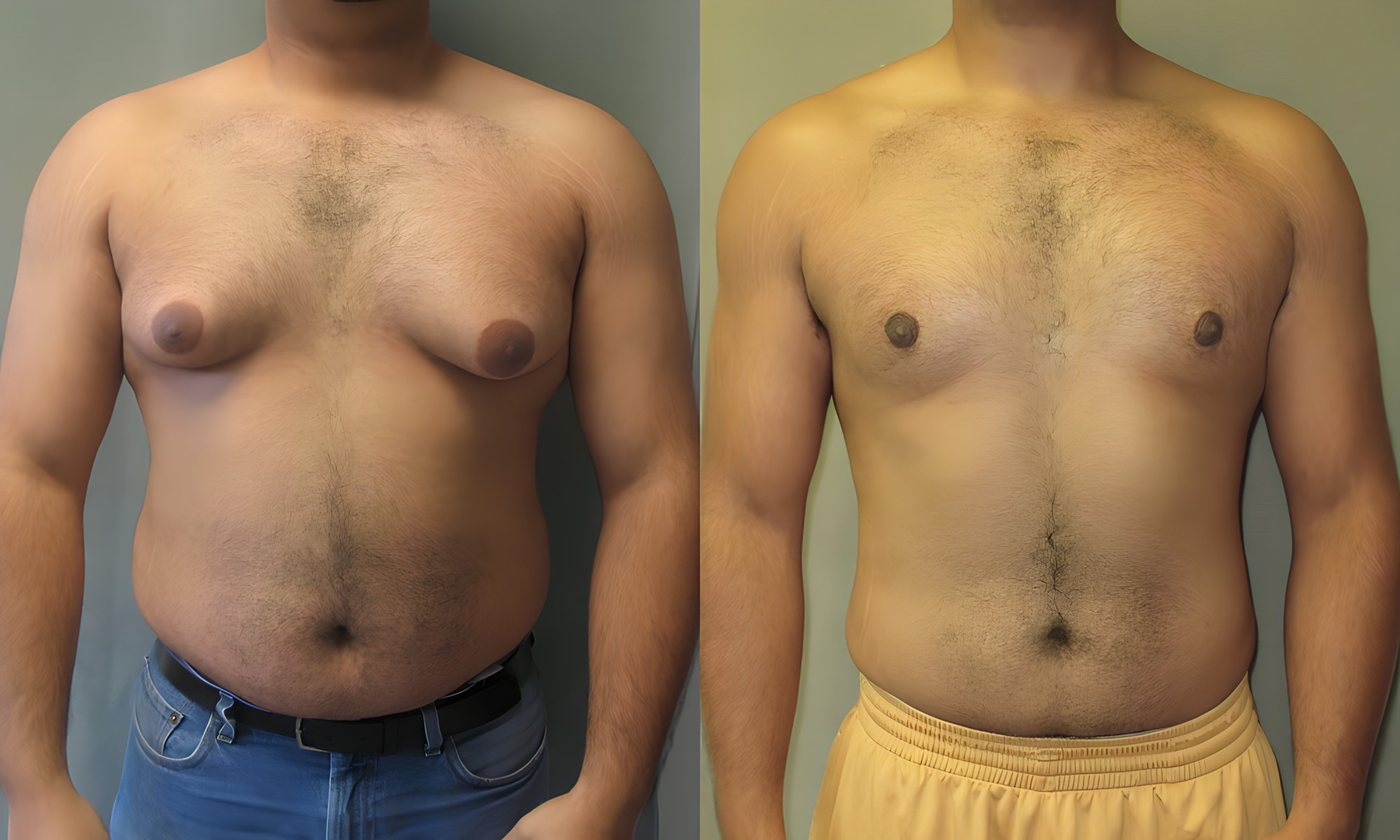
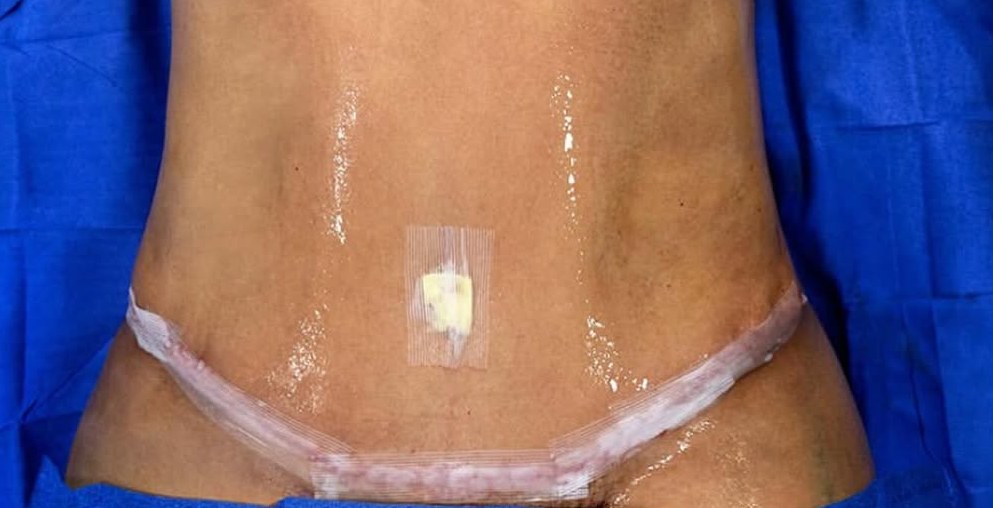
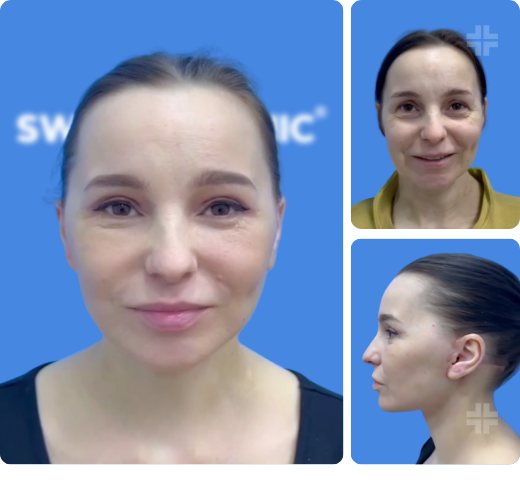
The rest of the before-and-after set is on the plastic surgery page.
The Difference In One Sentence.
Both operations work on the SMAS, the sheet of fibrous tissue that carries the fat pads of the cheek. Tightening it produces a good jawline. Releasing the retaining ligaments underneath is what allows the cheek itself to travel upward rather than sideways.
Read the restShow less
If your main concern is the jawline and a little looseness under the chin, a well-executed SMAS lift answers it. If the nasolabial folds have deepened and the cheek has slid down toward the mouth, tightening alone will not reach that far.
Risk, Skill And Recovery.
The deep plane sits directly on the facial nerve branches, so the operation demands a surgeon who works in that plane routinely. In inexperienced hands the risk of temporary weakness rises. Done well it produces less skin tension, which is why deep-plane results tend to age more gracefully at the scar line.
Read the restShow less
Recovery is broadly similar for both: visible bruising for two to three weeks, swelling settling over three months, and the final result at around six to twelve months.
Where The Scars Sit, And What Moves.
The incision runs in front of the ear along its natural border, around the lobe and up behind it into the hairline. In front of the ear it heals as a line that follows an edge your eye already expects.
Read the restShow less
The part worth asking about is the hairline. A lift that pulls skin backward without planning the temple can raise the sideburn and widen the distance between it and the ear, which is the classic marker of an operated face. Planning that shift is part of the design, not an afterthought.
How Long It Lasts, And What Shortens It.
A well-performed deep-plane lift resets the face by roughly a decade, and then ageing continues from the new baseline. It is not a pause button.
Read the restShow less
What shortens it: significant weight fluctuation, smoking, sun exposure without protection, and starting too early. Operating on a face that has not yet lost meaningful support gives a small change and spends the operation. We are not the right clinic for someone who wants a small skin-only tightening at a low price, and we say so rather than performing a lesser operation under a bigger name.
The Ones People Actually Ask.
Is plastic surgery in Turkey safe?
It is when it is done properly. Your operation takes place in a licensed full-fledged hospital with intensive care on site, performed by a board-certified plastic surgeon, under a Health Tourism Authorisation Certificate from the Republic of Türkiye Ministry of Health. We also hold Temos international accreditation and an ISO 9001 (UKAS) certified management system. Ask any clinic abroad for these three things before you book.
How many days do I need to stay in Istanbul for surgery?
Plan 6-7 nights for most operations: consultation and tests on day one, surgery on day two, one night in hospital where needed, then dressing changes and the final check-up before you fly. Eyelid surgery and small procedures need only 3-4 nights.
Who will perform my operation?
A plastic surgeon certified by the Turkish Ministry of Health, never an assistant or technician. You meet your surgeon before the operation, discuss what is realistic for your anatomy, and the same surgeon sees you at the post-operative check-up.
When can I fly and go back to work after surgery?
Flying is normally cleared 5-7 days after surgery. Desk work is possible after about a week for rhinoplasty and eyelid surgery, and 2-3 weeks for body procedures such as tummy tuck, BBL or mommy makeover. Your surgeon gives you a written timeline for your case.
Do you help with hotel, transfers and translation?
Yes. VIP airport transfers, a translator in your language and help with hotel booking are part of every package, and your coordinator stays with you from the first message until long after you fly home.
What Stands Behind The Plan.





Related Treatments.
Eight to twelve millimetres of skin, marked with you sitting upright and rechecked with a pinch test.
Vaser LiposuctionVaser emulsifies fat before any of it is suctioned, so it leaves through a smaller cannula with less tearing of the tissue around it.
BBL (Brazilian Butt Lift)Every millilitre goes into the subcutaneous layer.
Breast AestheticsUnder the muscle or over it is decided by how much of your own tissue covers the upper edge, how loose your skin is, and what you do with your body.
More On Deep-Plane Facelift.
Both techniques act on the same layer; they differ in whether it is tightened or released and repositioned. The…
Facelift scars: where they sit and how the hairline movesFacelift incisions run around the ear and into the hair. Where the surgeon places them decides whether your sideburn…
How long does a facelift last, and what shortens it?A deep-plane facelift typically holds for ten to fifteen years, but it does not stop ageing. What it resets is the…
Check Every Claim On This Page, In One Click.
Opens ChatGPT with this page already loaded as its source, so you can compare our plan against international standards and ask anything you like before you decide. The conversation is yours. We never see it.
Ask ChatGPT about this plan