
The Treatment You Need, Even When It Is Not The One You Came For.
Licensed hospitals with intensive care on site, coordinated end to end from our office in Şişli. Every page below also tells you who the treatment is wrong for.
The People Who Walked Back Out.
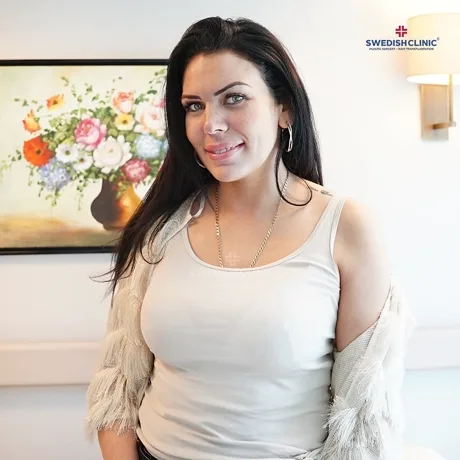
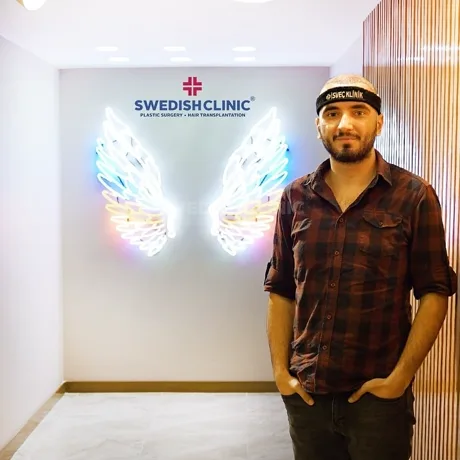
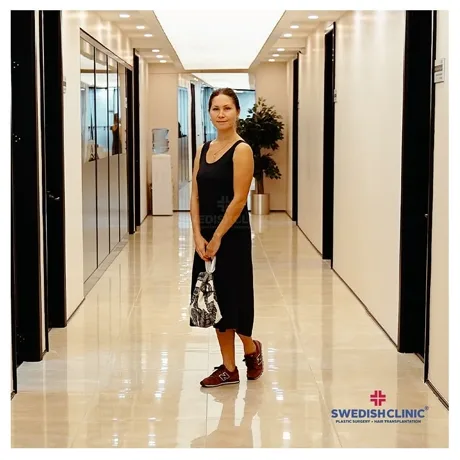
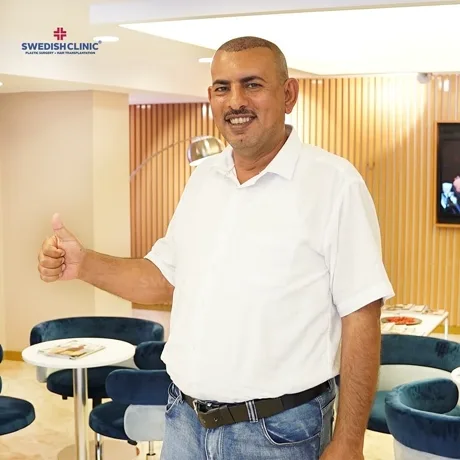
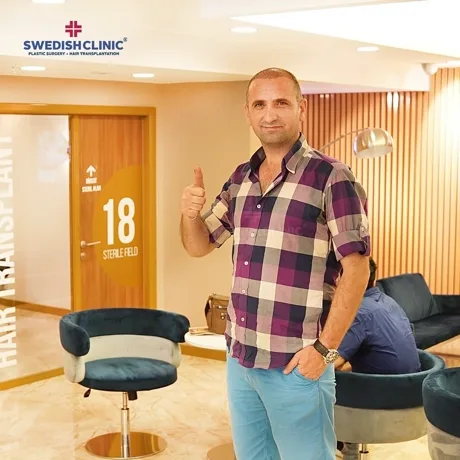
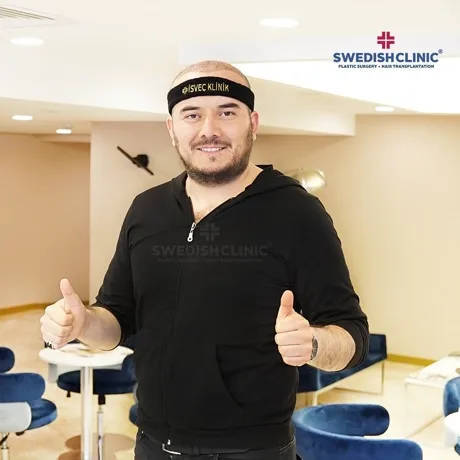
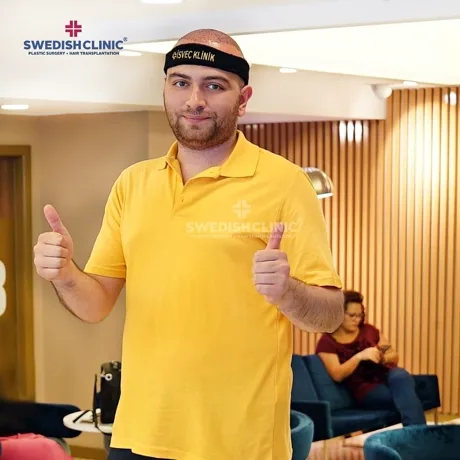
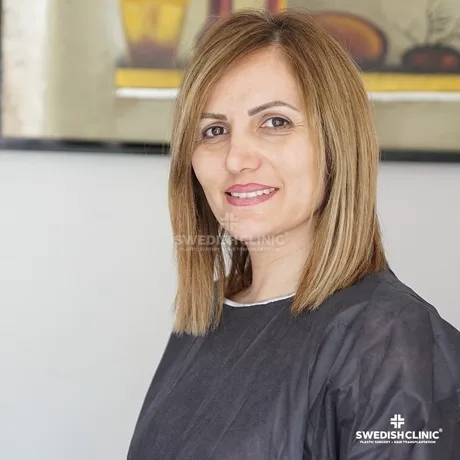
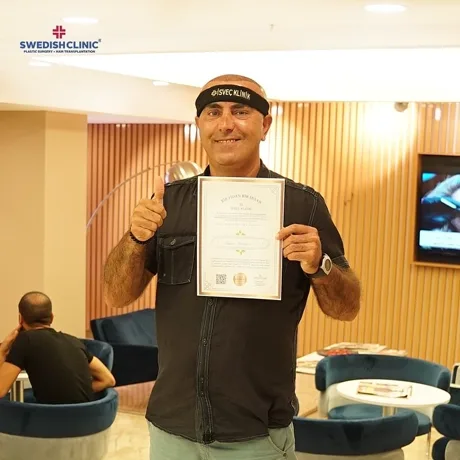
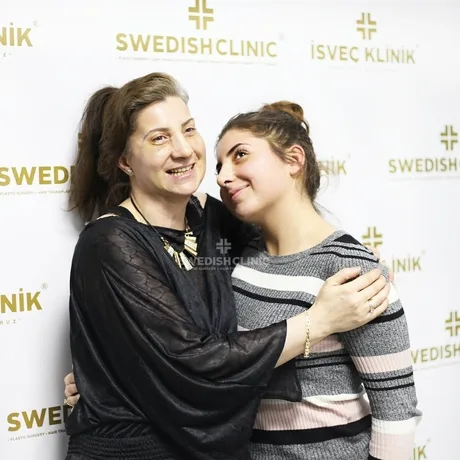
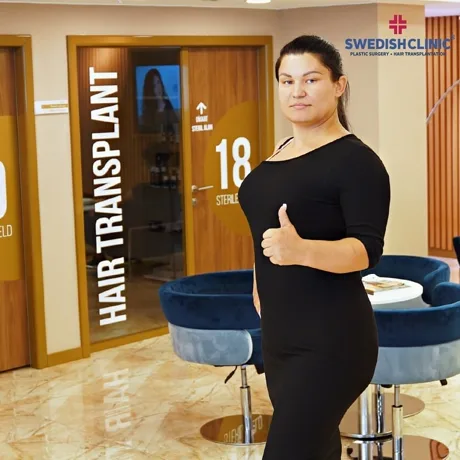
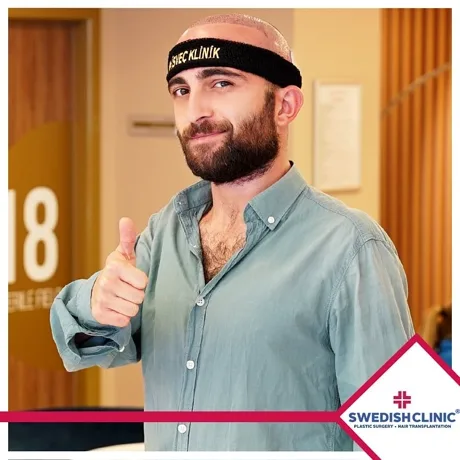
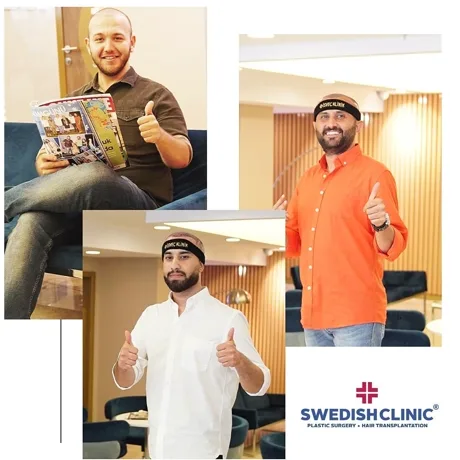
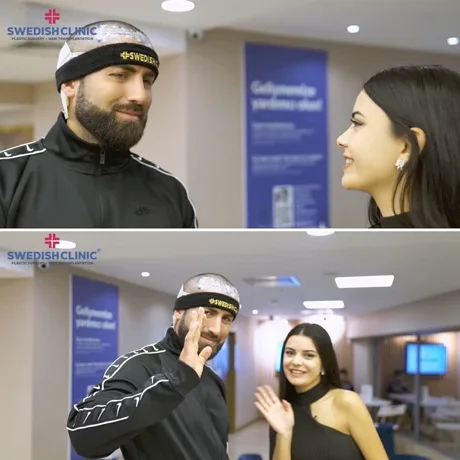
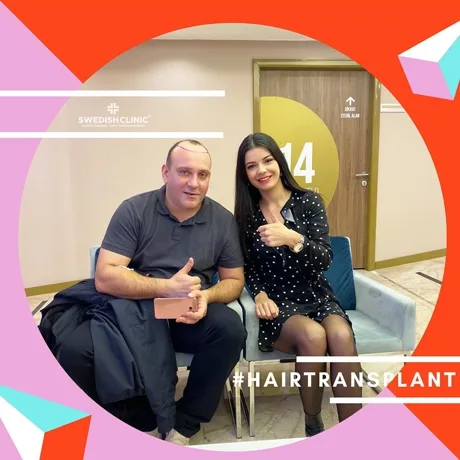
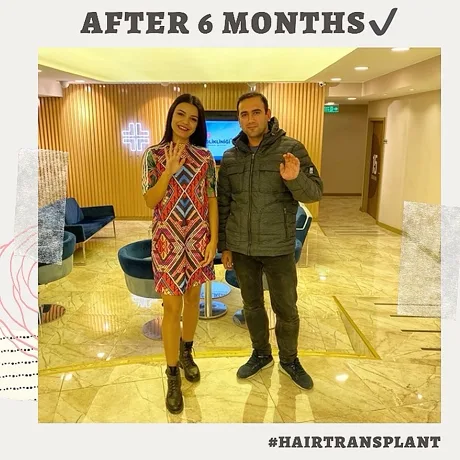
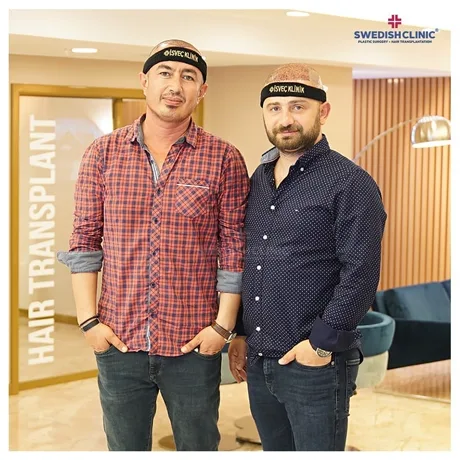
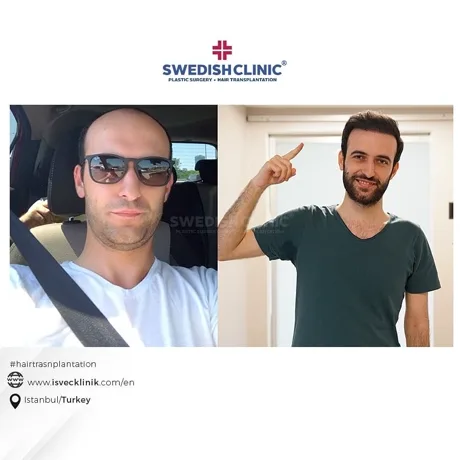
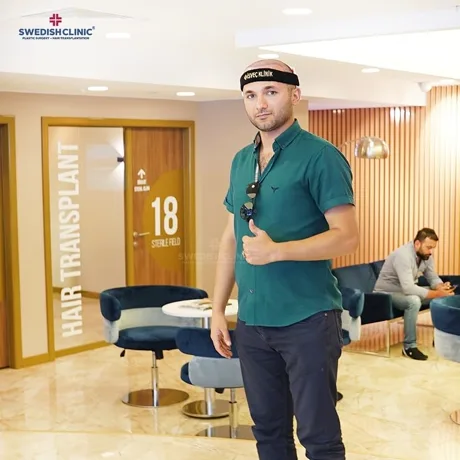
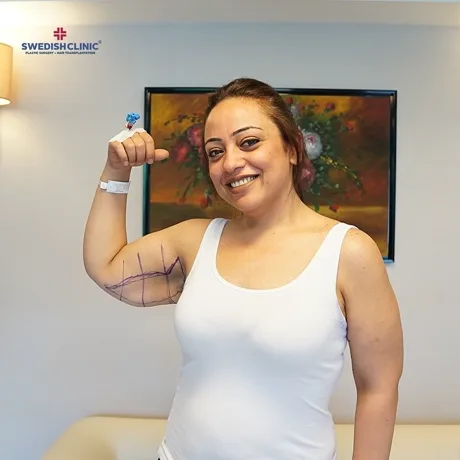
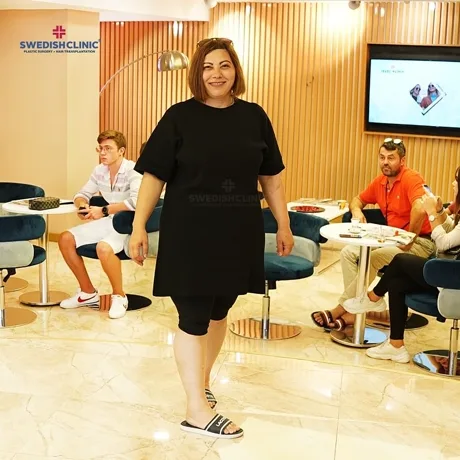
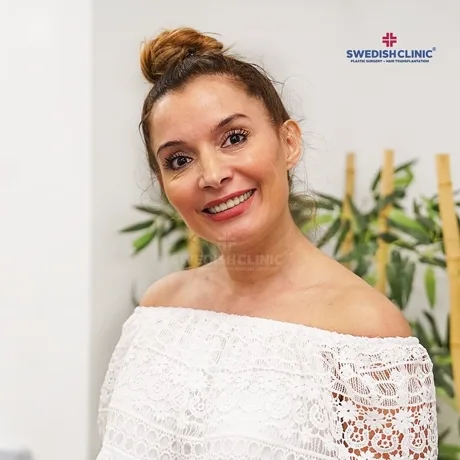
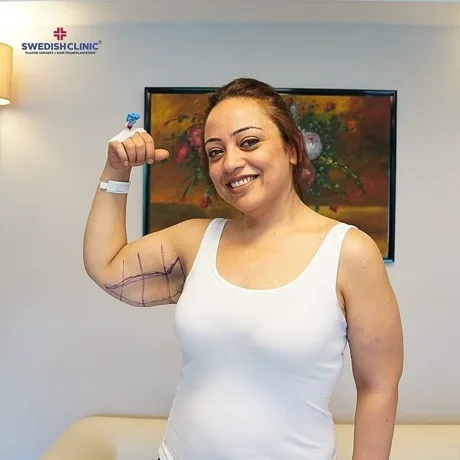
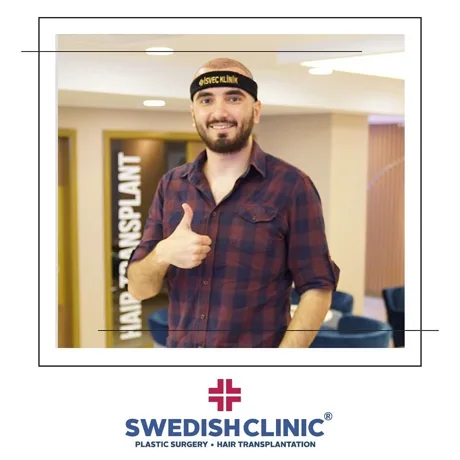
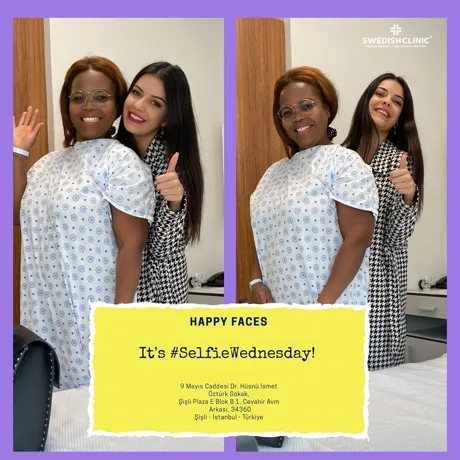
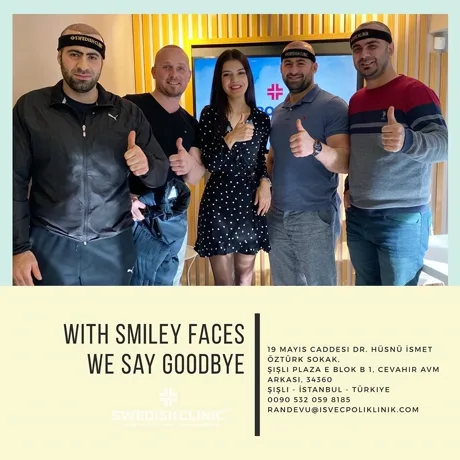
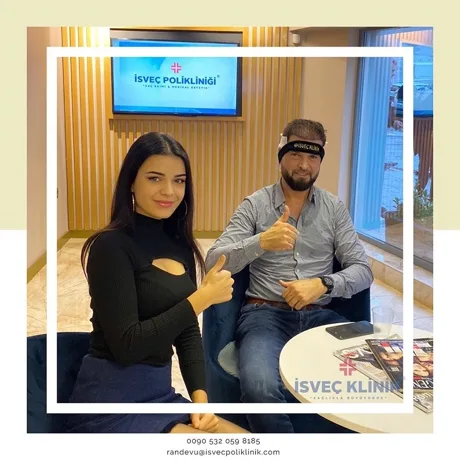
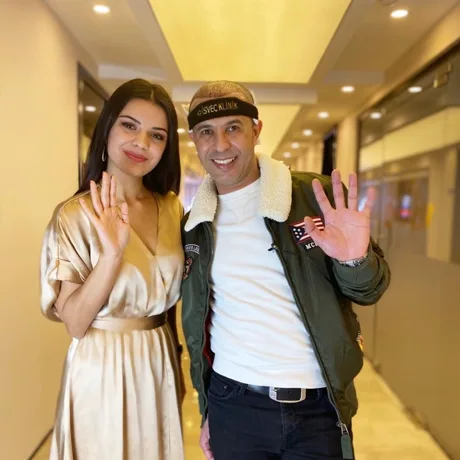
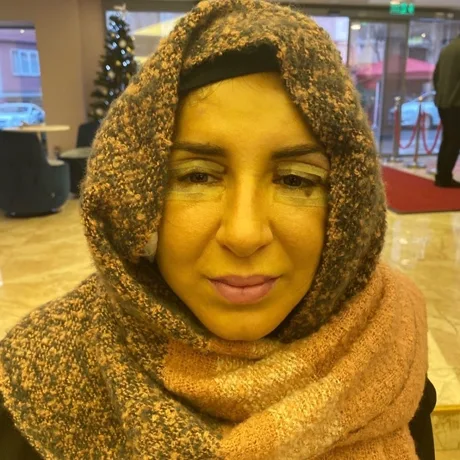
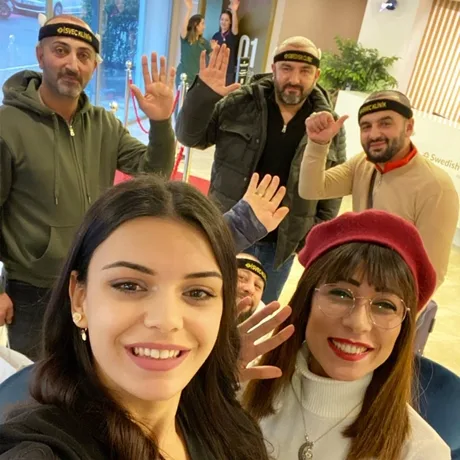
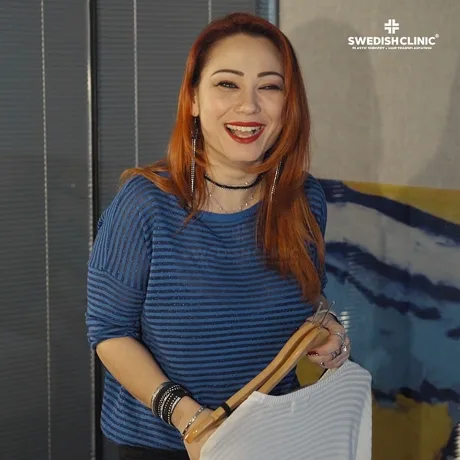
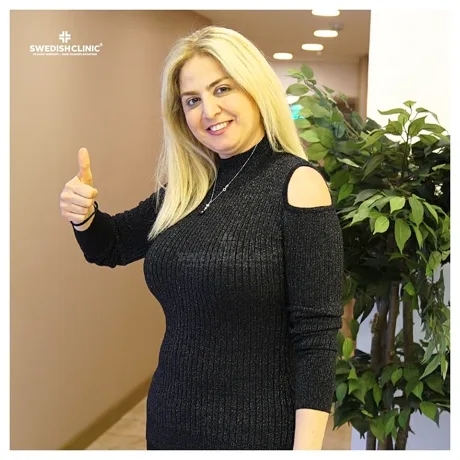
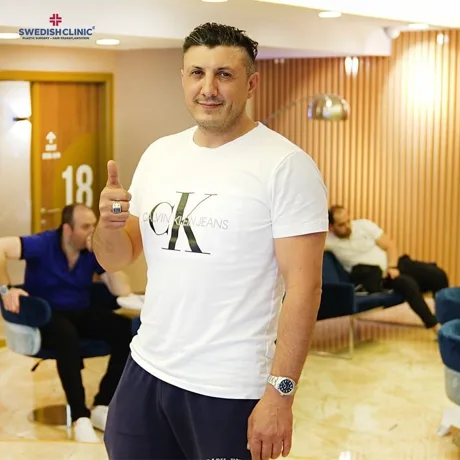
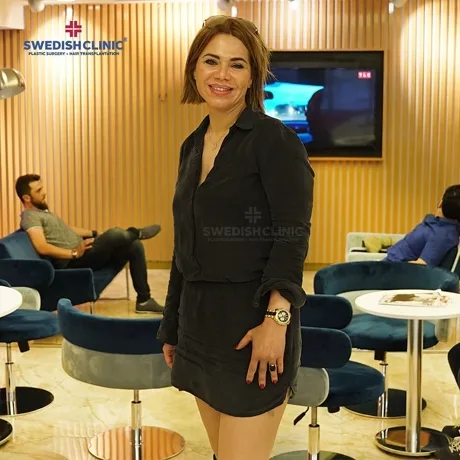
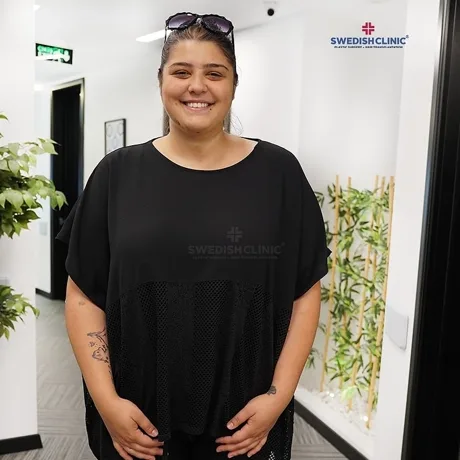
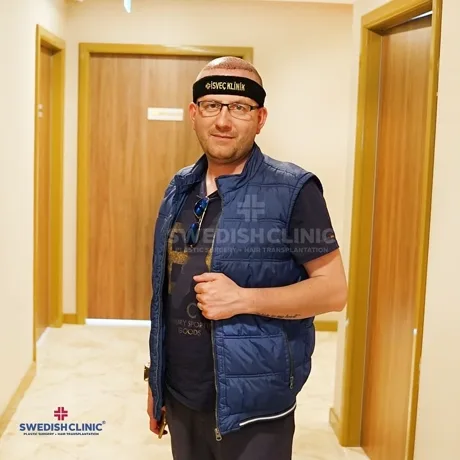
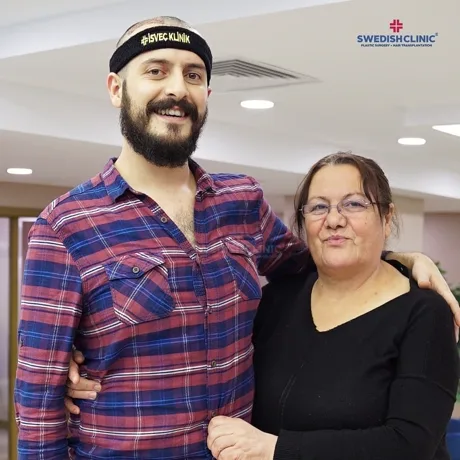
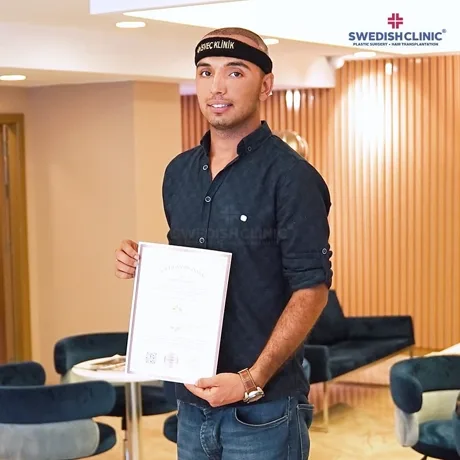
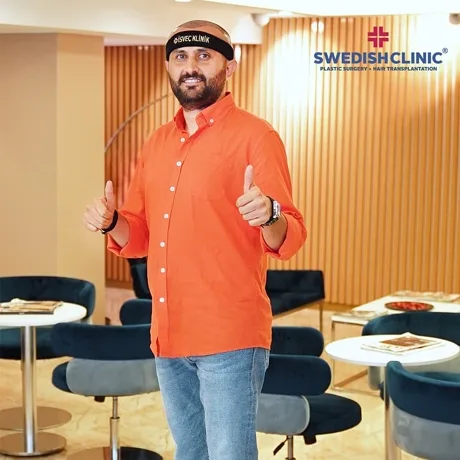
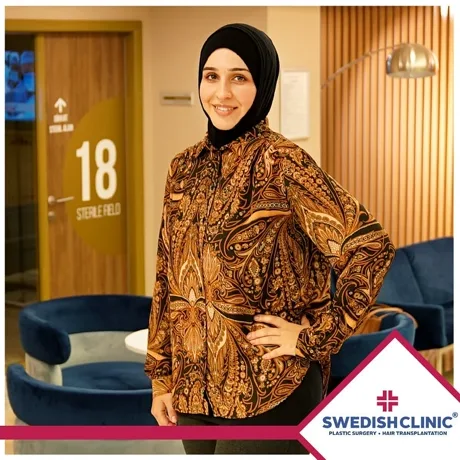
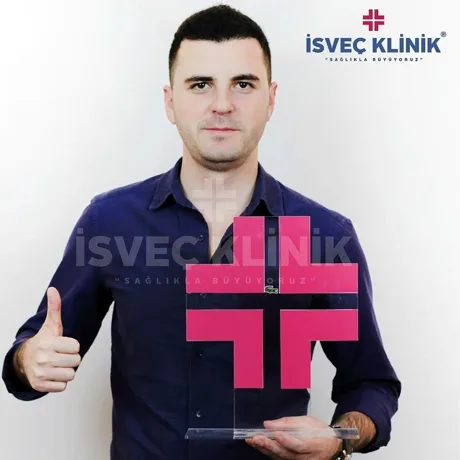
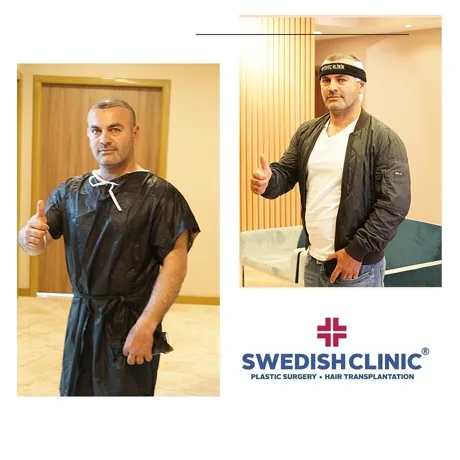
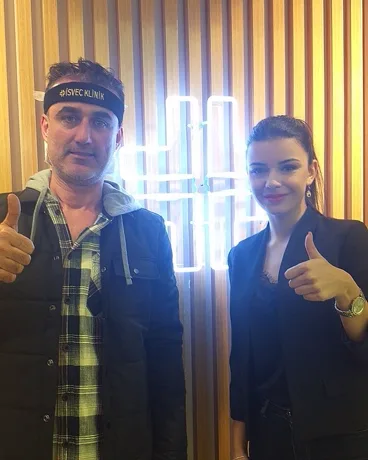
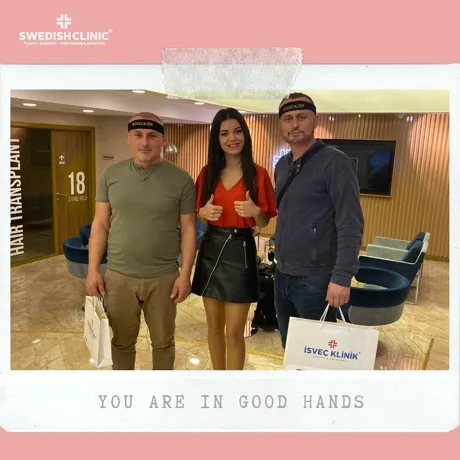
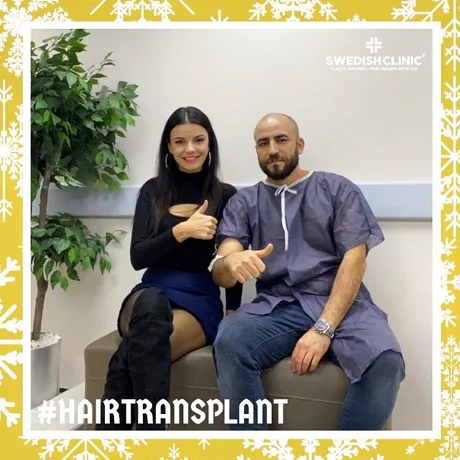
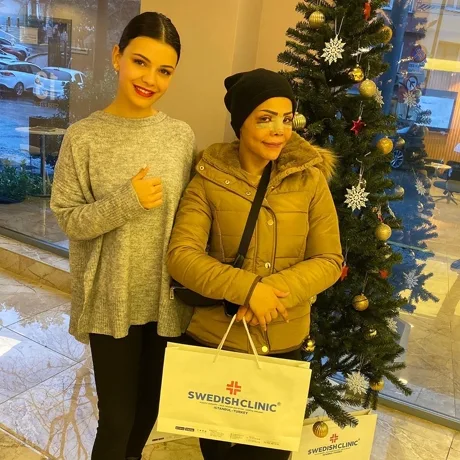
Guests in our waiting room, holding their certificate, with the team that treated them — photographed on ordinary working days, not in a studio.
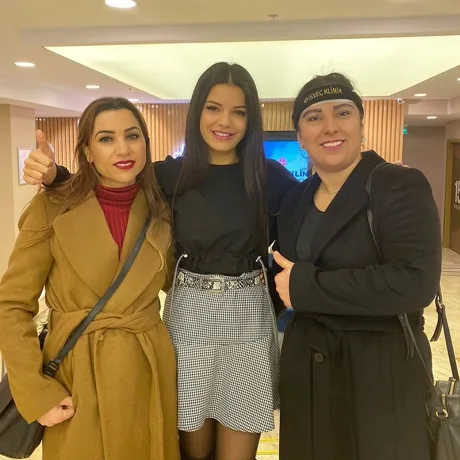
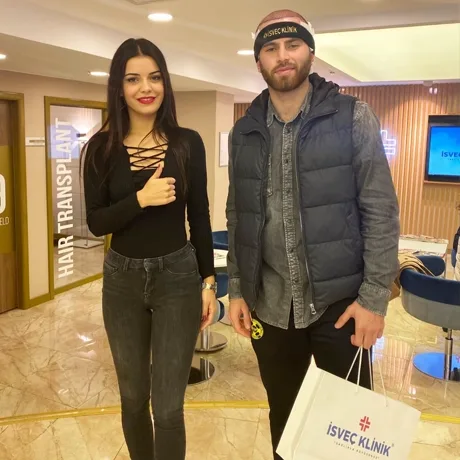
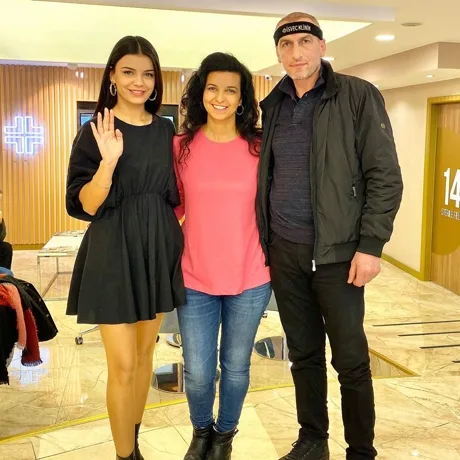
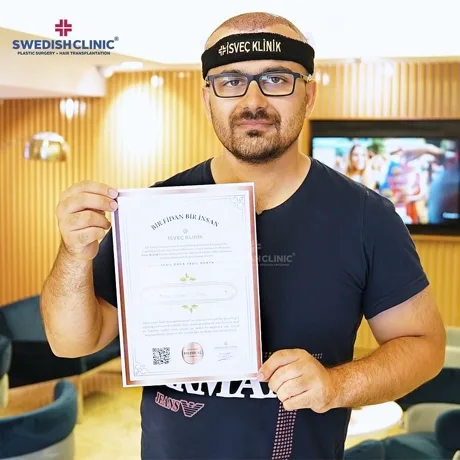
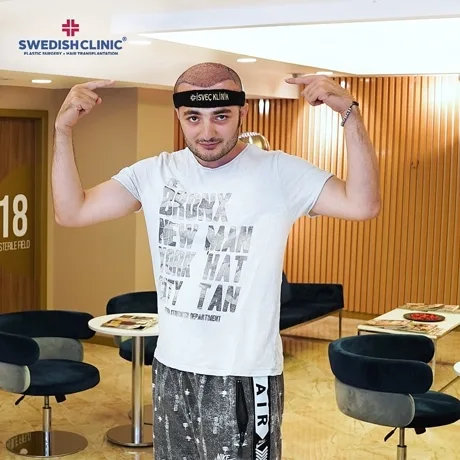
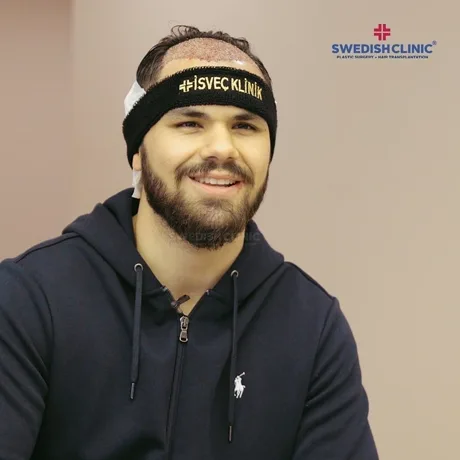
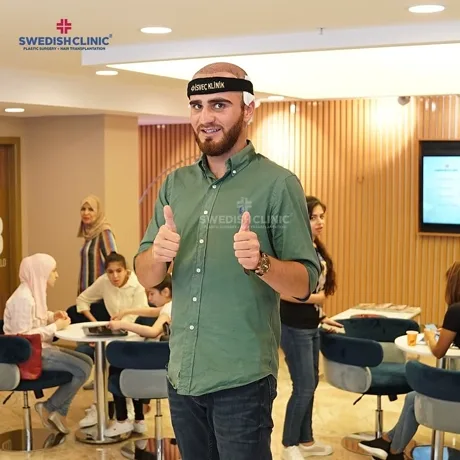



Start With What You Came For.
Seven departments, forty-six treatments. Every page carries the days you need in Istanbul, what the treatment cannot do, and where we would turn the case down.
Sapphire FUE and DHI, judged at month twelve rather than month four.
6 treatments · 2,400+ a yearDentalImplants, crowns and veneers, with the stage most clinics skip photographed too.
9 treatmentsAestheticSurgery by ISAPS-certified surgeons, results shown after the swelling has gone.
13 treatmentsWeight LossSleeve, bypass, balloon and gastric botox, with twelve months of follow-up.
4 treatmentsNon-Surgical AestheticsDosed conservatively and reviewed at day fourteen, never filled on day one.
7 treatmentsMen's HealthAssessed first. Small painless varicoceles are monitored, not operated on.
4 treatmentsDermatologyAcne, pigmentation and resurfacing, with the depth measured before the method.
3 treatmentsHow Much Of This We Actually Do.
Volume matters in surgery, so here is ours, alongside what each department asks of your calendar.
- Hair Restoration6-8 hrs · Day procedure in hospital · 10-14 days2,400+ a year
- Dental Aesthetics2 sessions · Outpatient in hospital · Same day6,000+ international patients a year
- Plastic Surgery2-4 hrs · 1-2 nights in hospital · 2-6 weeks1,800+ a year
- Bariatric Surgery1-2 hrs · 3 nights in hospital · 3-4 weeks12 months of follow-up included
- Non-Surgical Care30 min · None in hospital · Results last 3-12 monthsWalk-in ready
Four Things We Say Out Loud.
A hair result photographed at month four is a preview, not an outcome. A face photographed the week the dressing came off is swelling, not surgery. Every pair here carries its date.
Gastric botox above roughly BMI 40. Threads on a face that has lost its support. Filler under an eye that wakes puffy. Each of those is written on its own page, before you enquire.
The doctor who examines you performs the procedure and sees you at the review. The Turkish specialist register is public, so ask for the full name and check it. It takes three minutes and we would rather you did.
Your procedure takes place in a licensed, fully equipped hospital with an intensive care unit in the same building, never a day-surgery room with an ambulance arrangement. We are a clinic with Ministry of Health health tourism authorization AK-0125, TURSAB #10821, Temos accreditation and an ISO 9001 (UKAS) certified management system.
Rated By The People Who Went Through It.

“Missing teeth affected my daily life for years. From the first exam my doctor’s care and expertise made me feel safe at every stage.”

“One year on and nobody can tell. The hairline they designed suits my face. It does not look transplanted.”

“I wanted my nose softened, not replaced. The surgeon showed me the simulation and the result is exactly that.”

“Fourteen months on and I am 38 kilos lighter. The dietitian called me every single month. That made the difference.”

“Clean, modern hospital and a team that answered every message within minutes. I already recommended them to two friends.”

“Type-2 diabetes for nine years, off medication four months after the bypass. My own doctor could not believe the blood work.”

“Professional, warm and honest. They told me exactly what my donor area could give and never oversold.”

“Forty minutes, local anaesthetic, back at the hotel for lunch. A week later I looked ten years less tired.”

“At 54 I did not want to look done. Six weeks on, friends say I look rested.”
What Stands Behind The Plan.




From Your First Message To The Year After.
- 01Free consultation
Share your history and your goal. A specialist reads it and you get a written plan within twenty-four hours, including when the answer is that you do not need treatment yet.
- 02Travel arranged
Private airport transfers, a hotel near the clinic in Şişli and local transport are part of the package. The flight and the hotel room itself are the only things you book.
- 03Treatment day
Your specialist performs the procedure, with a translator in your language present at every appointment rather than a coordinator relaying messages.
- 04Twelve months of aftercare
Structured follow-up with your coordinator and a direct line to the doctor who treated you. You never leave Istanbul without a review appointment first.
You Are Not Only Coming For Treatment.
However short your stay, one part of it is yours. We time the treatment day so the rest of the trip still belongs to you.
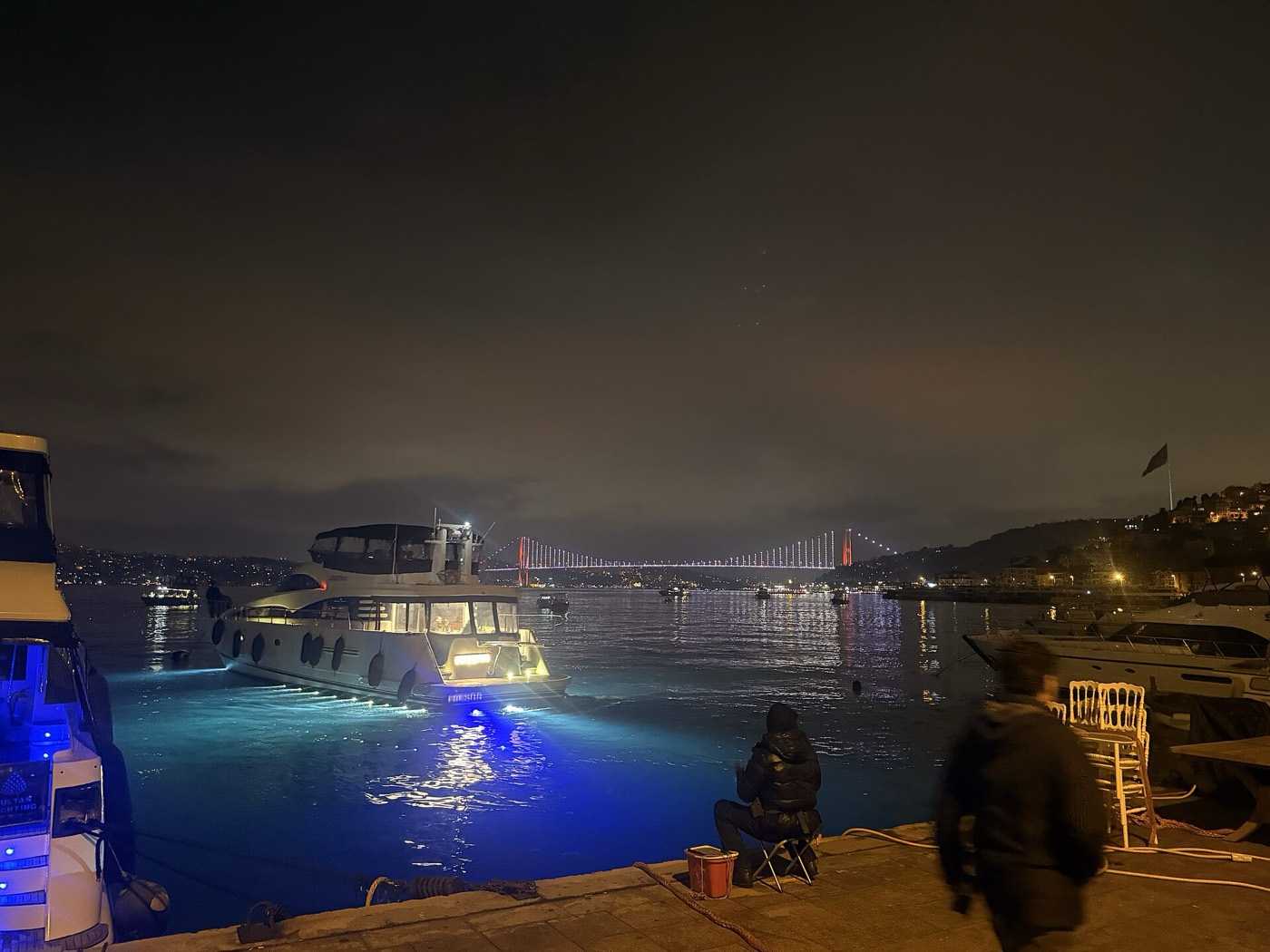
- 01You land
A driver is at arrivals with your name. The hotel is minutes from the clinic, and the evening is yours — we send people out to see the city rather than sit in a room worrying.
- 02The operating day
One session, one team, your surgeon present throughout. You are washed, briefed and given your medication before you leave the building.
- 03The city is yours
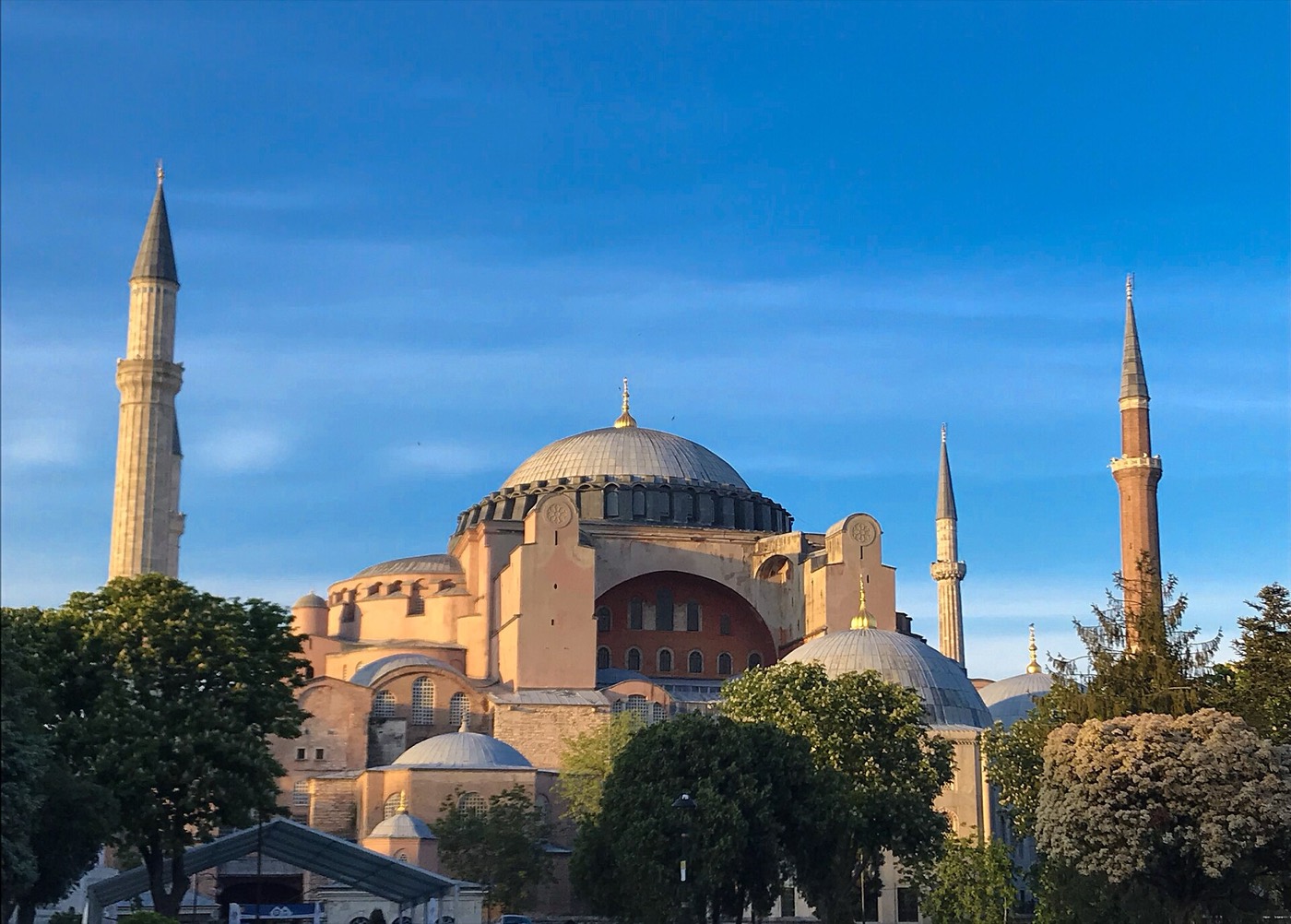
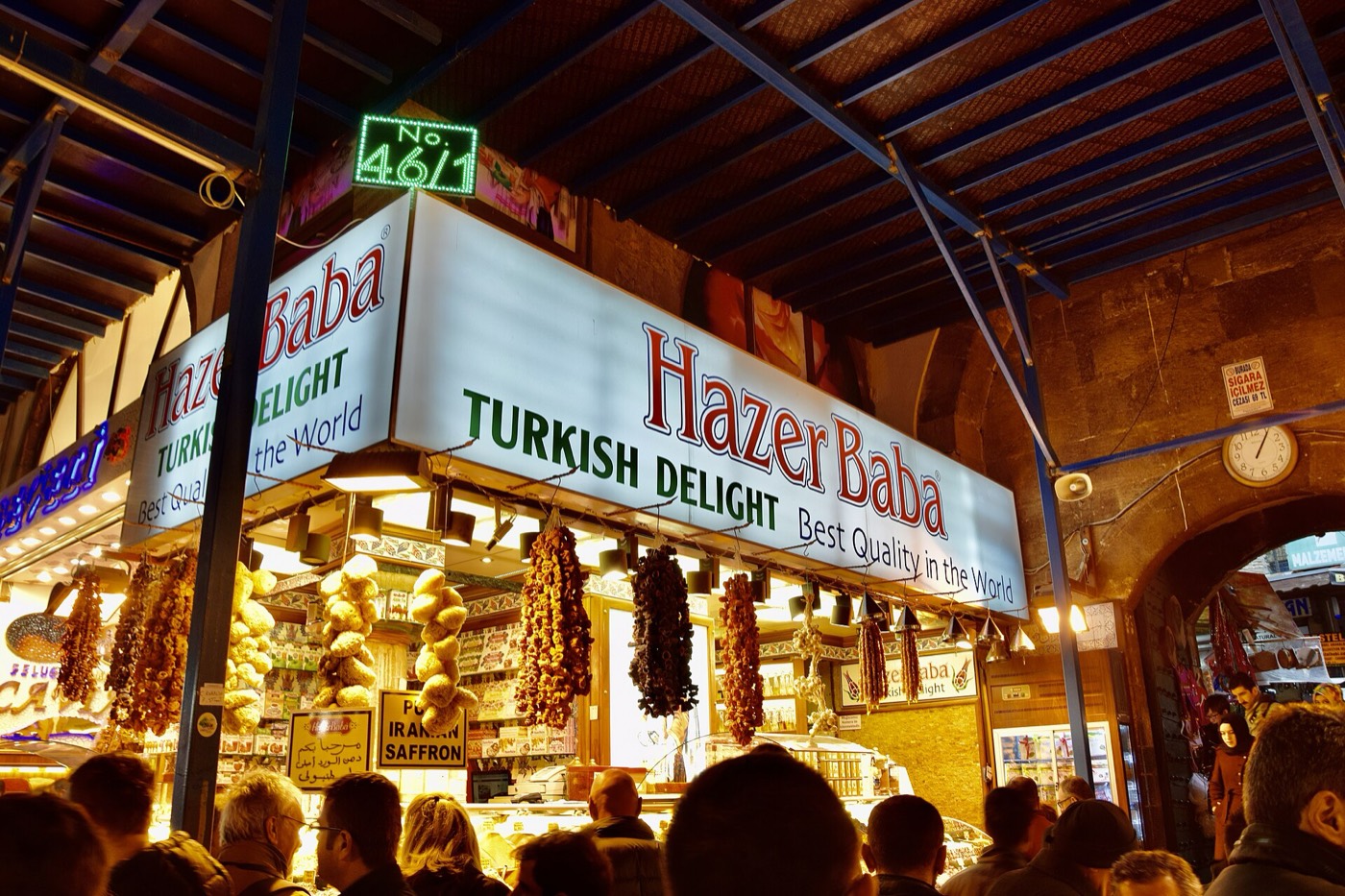
Hagia Sophia, the Bosphorus and the Grand Bazaar are all within half an hour. We time the operating day so this one still belongs to you.
Not Our Words, Theirs.
National press and international outlets have covered the clinic and quoted our chairman. Every link below opens the original article.