

Selenium® Supported Sapphire FUE and DHI Hair Transplantation.
Sapphire FUE and DHI do the transplanting. Selenium® gives 5,000 hairs the density of 8,000.
 Turkey’s Best Customer Experience — our guest satisfaction rate is 9.7 out of 10.
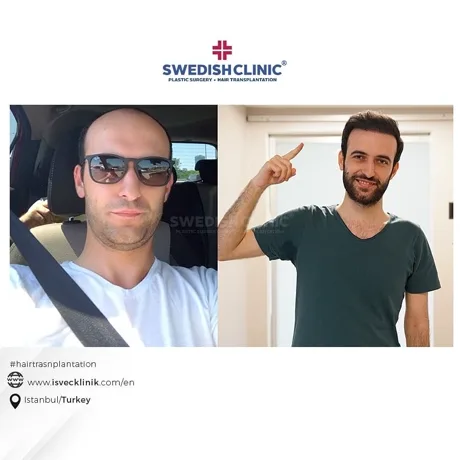
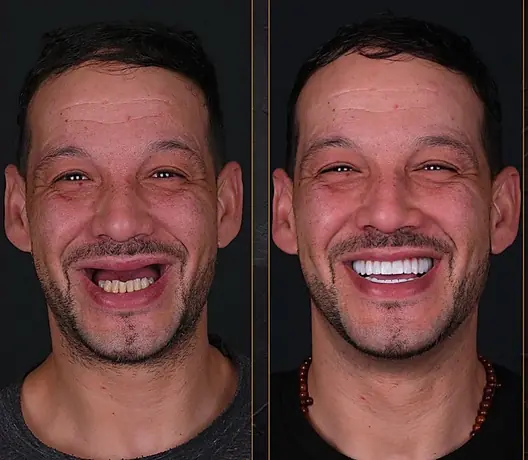
Hair Transplant Before And After — Our Time Tunnel.
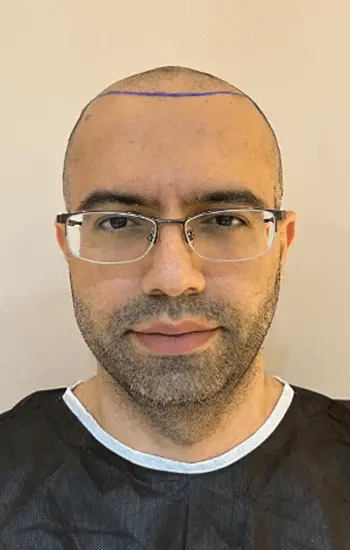
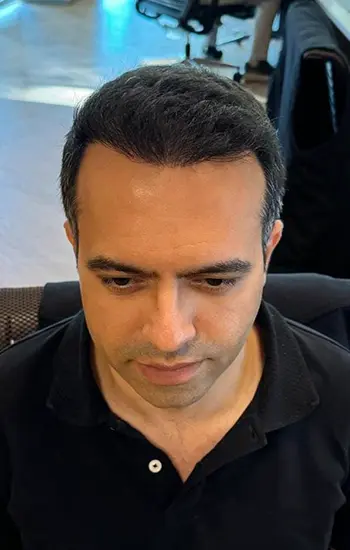
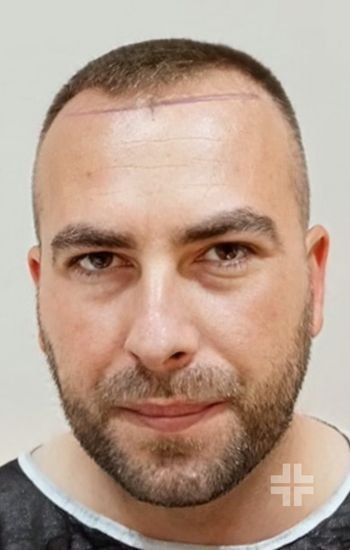
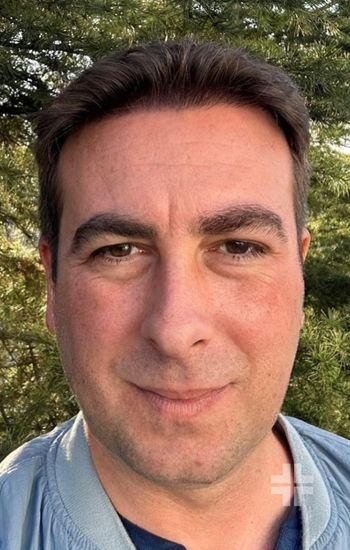
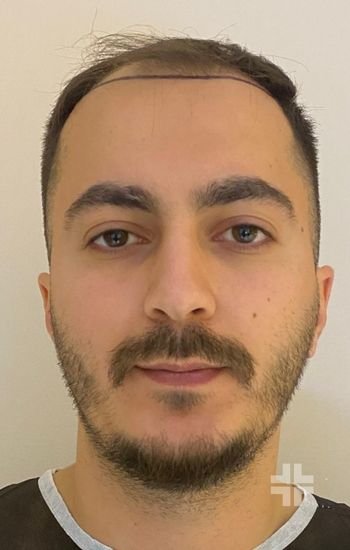
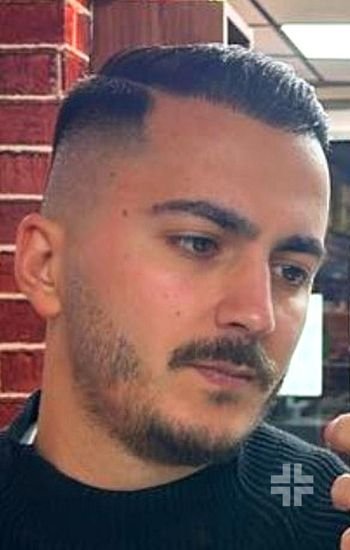
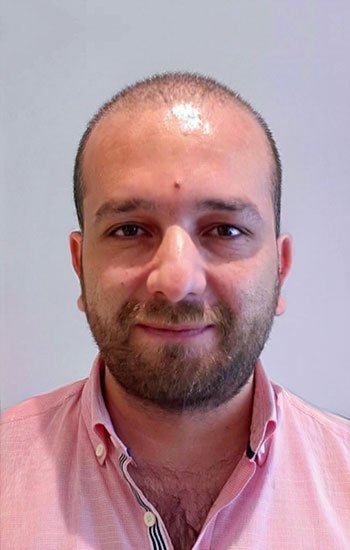
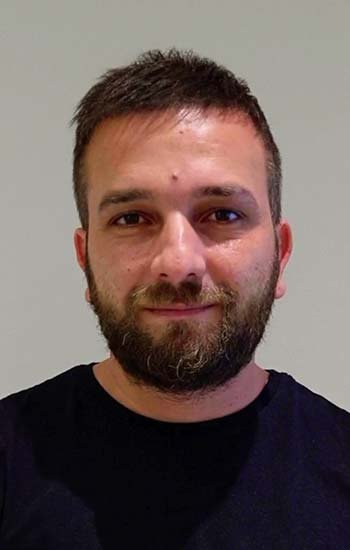
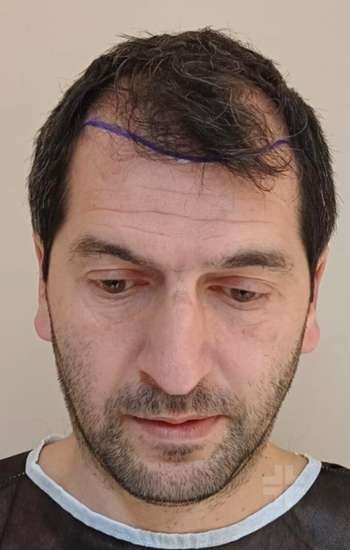
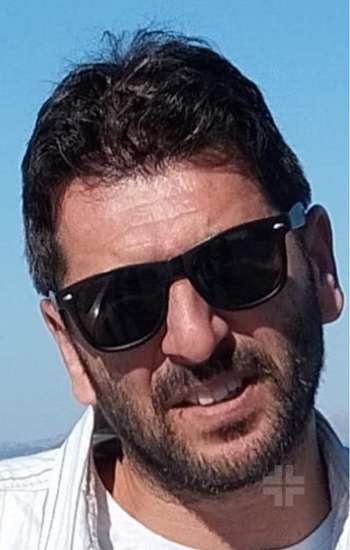
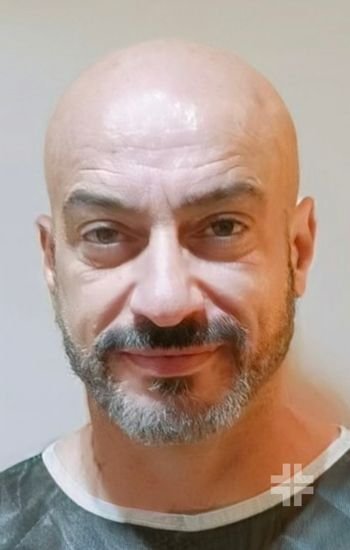
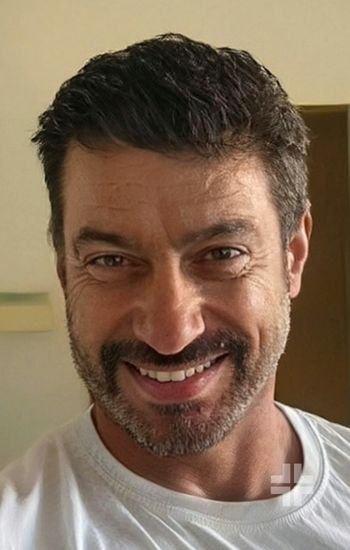
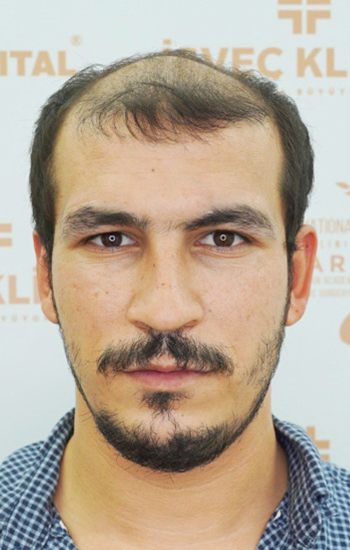
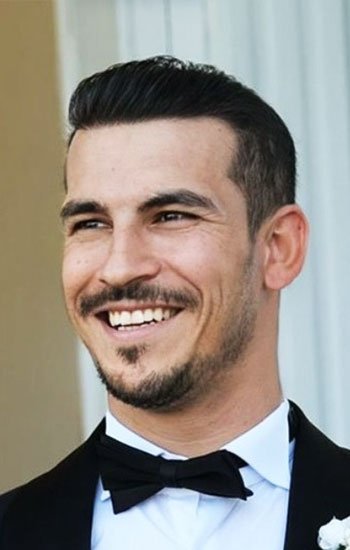
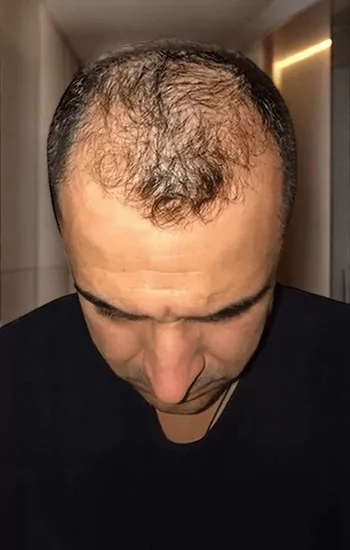
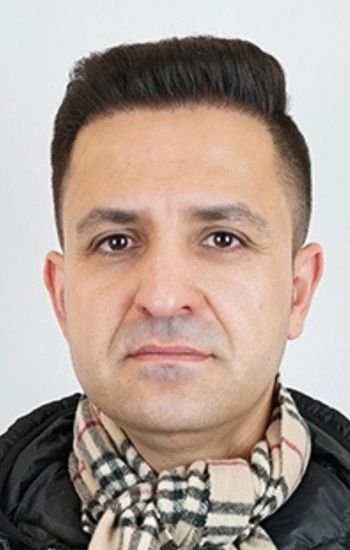
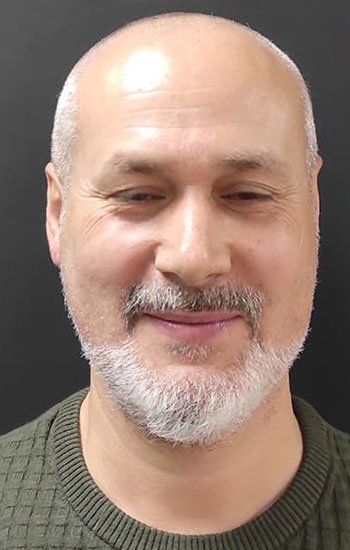
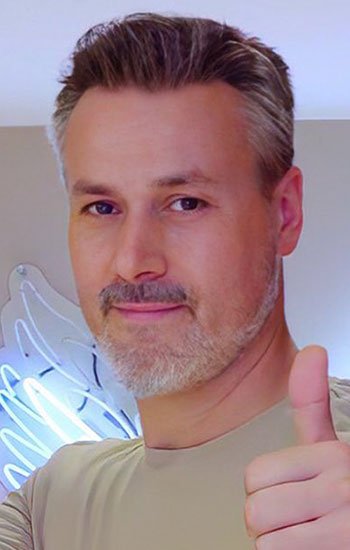
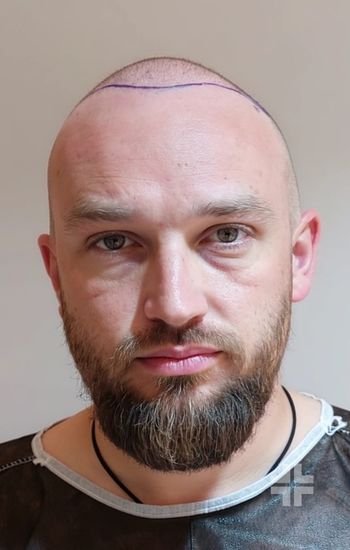
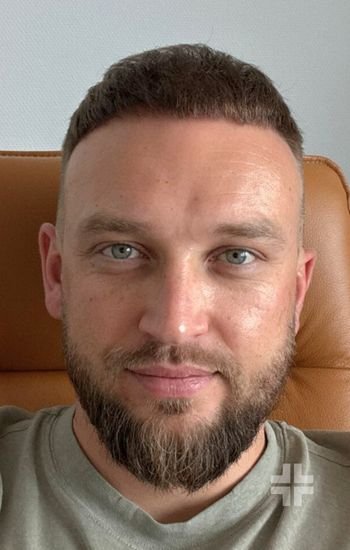
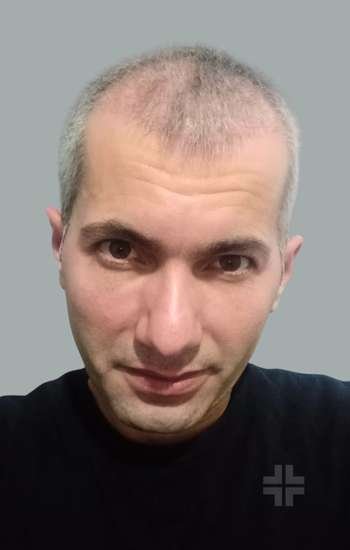
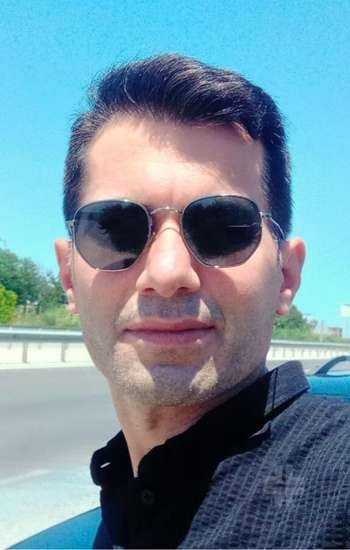
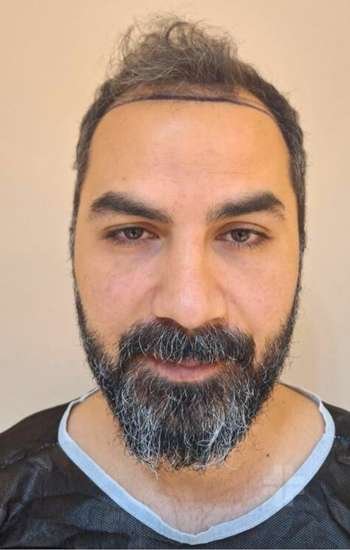
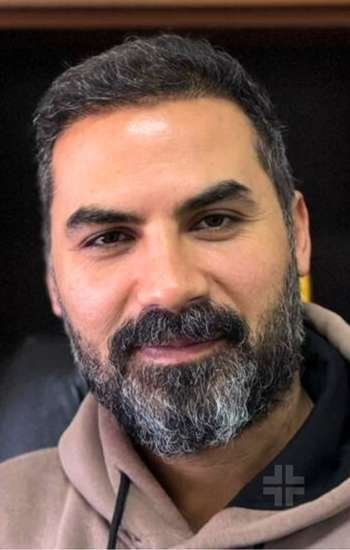
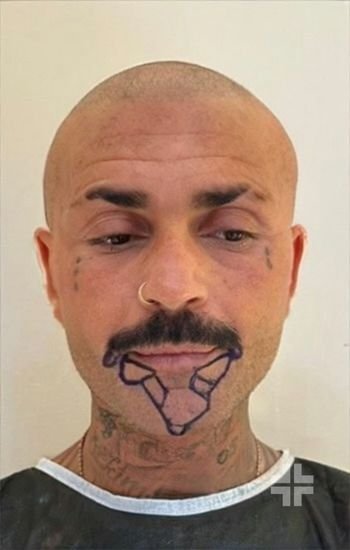
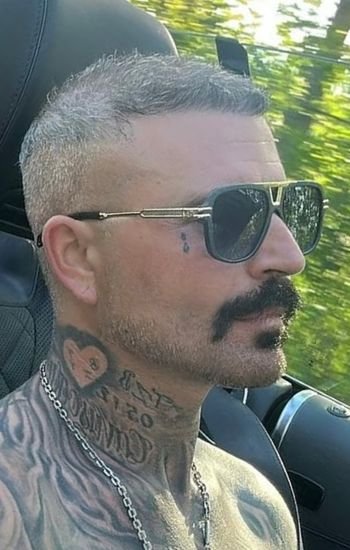
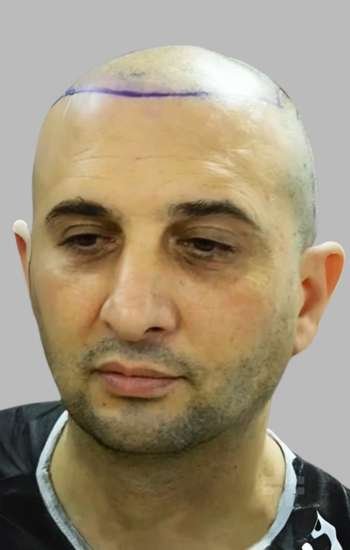
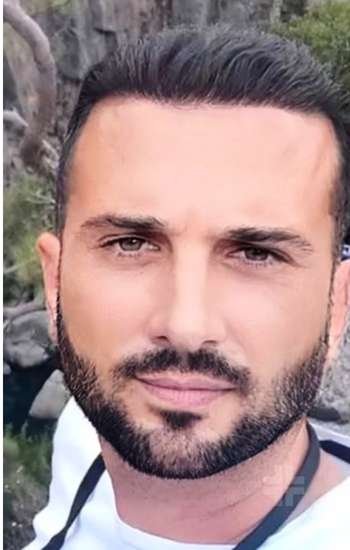
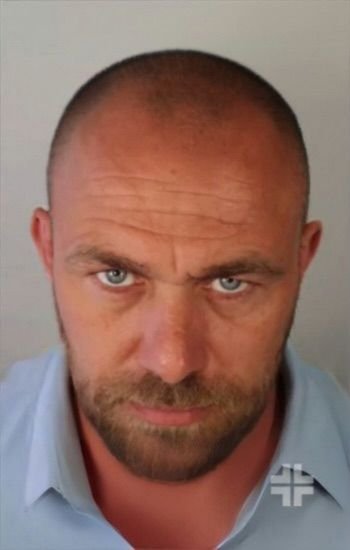
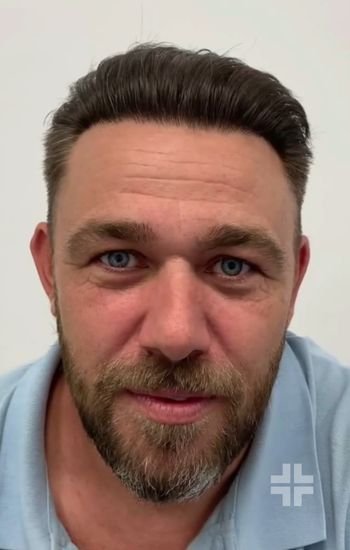
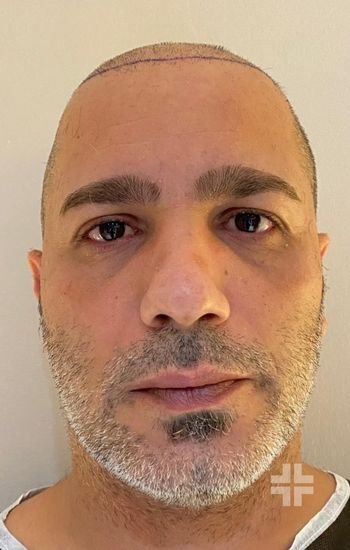
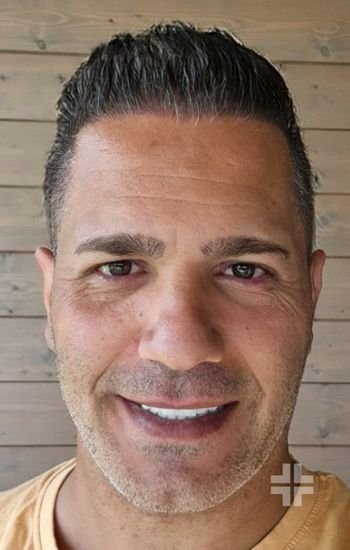
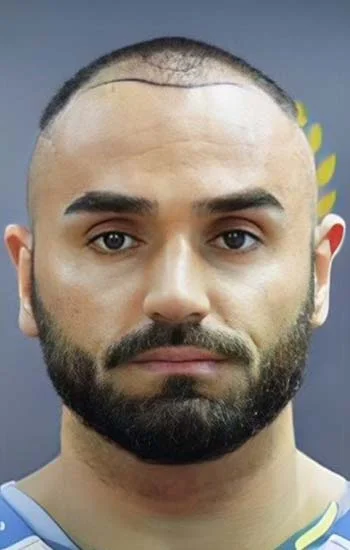
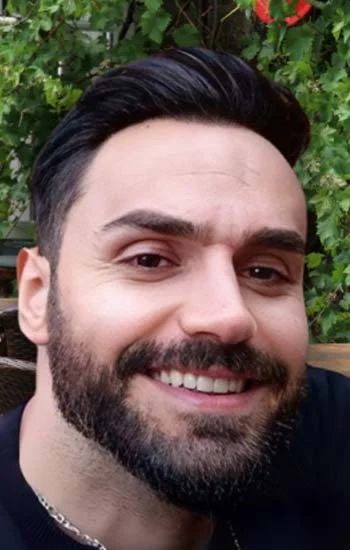
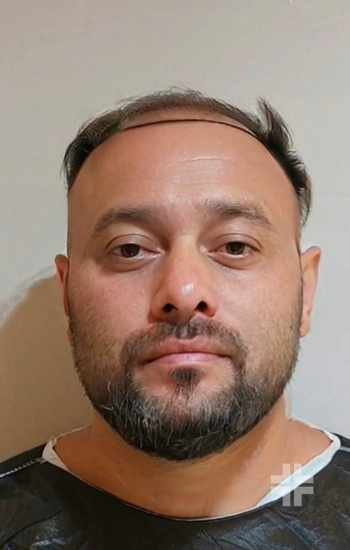
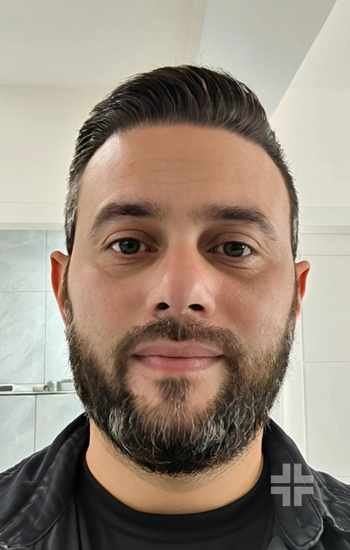
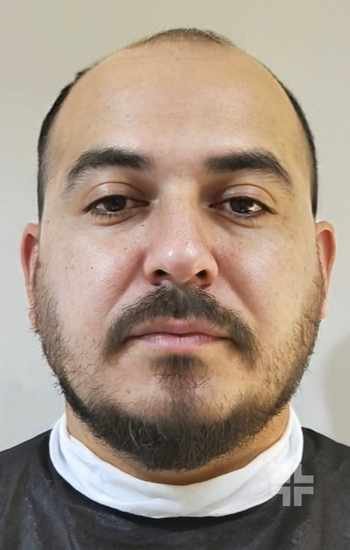
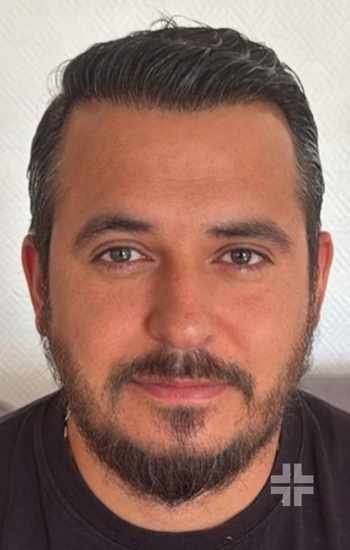
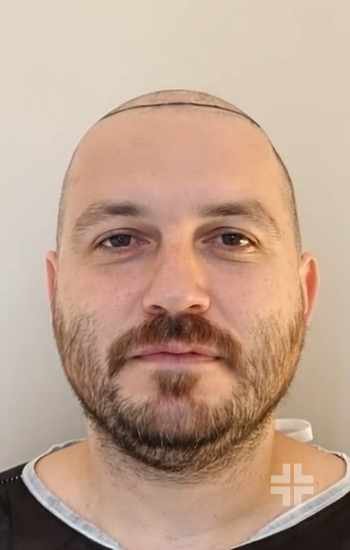
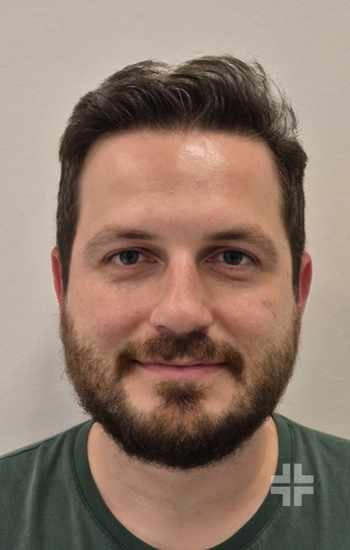
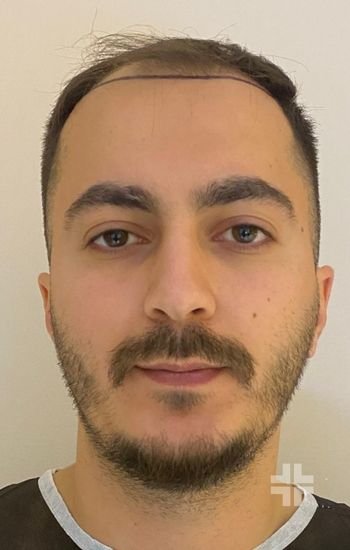
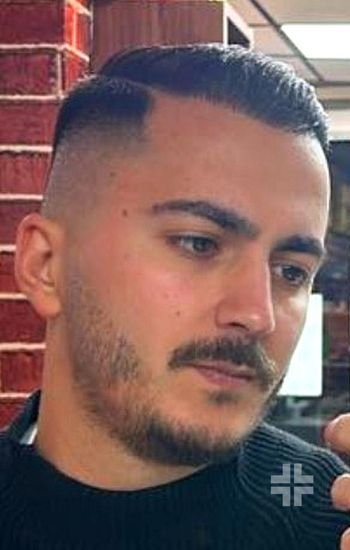
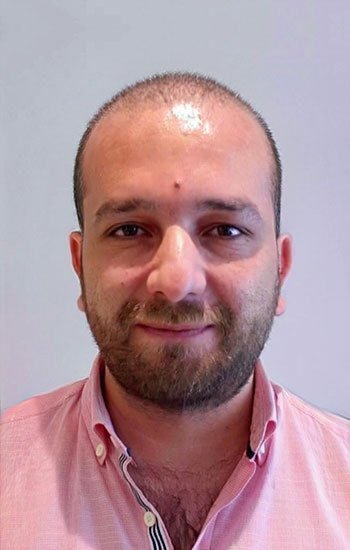
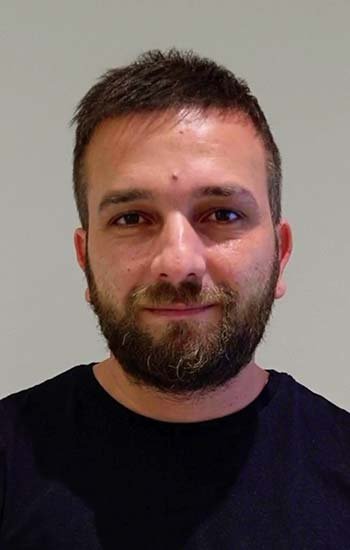
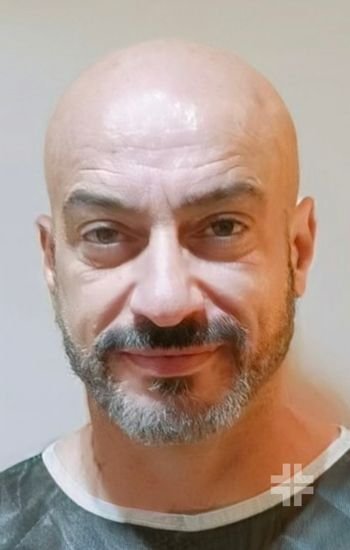
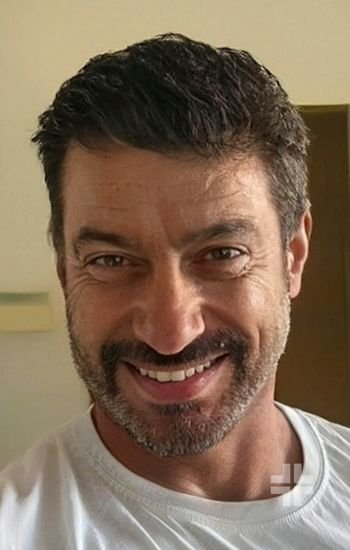
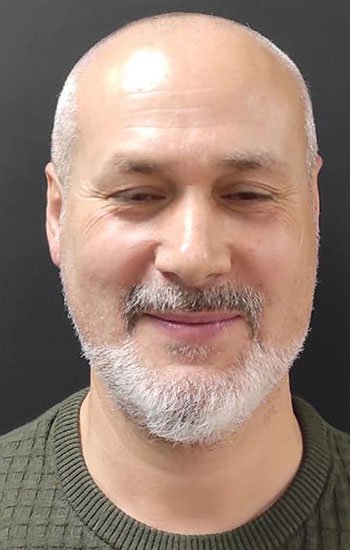
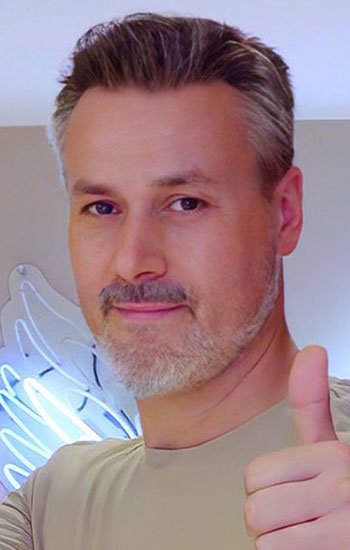
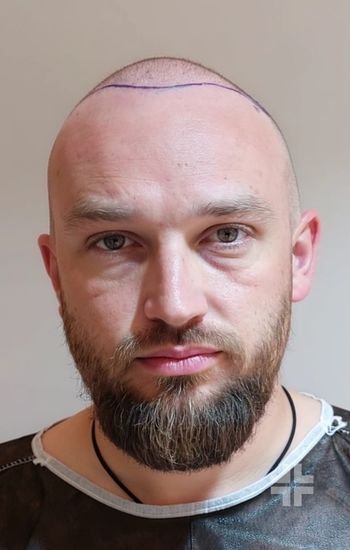
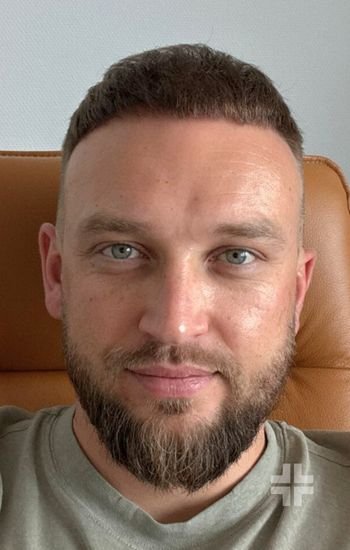
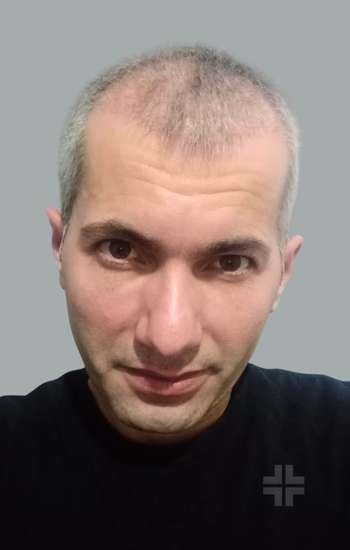
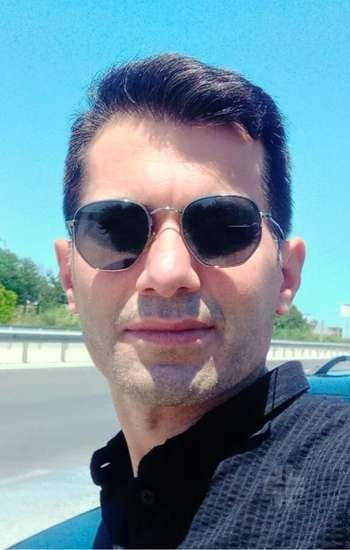
Two Photographs Today, Your Real Number Today.
Send two photographs with your number and a specialist calls you back with what is realistic, the graft count and the current campaign price, including when the answer is that you should wait.
A consultant is online now

Stories Of The Change.
A Swedish name in Istanbul made me curious enough to fly out and look. The standards turned out to match it, the same sterile discipline I would…
I landed expecting a clinic and got a host. The driver knew my name before I did, the hotel was two minutes from the door, and someone walked me…
Three days: one for the operation, two for the city. They planned it that way on purpose and told me so in advance. I ate better than I have in…
What surprised me was how calm it all was. Nobody rushed me, nobody upsold me, nobody quoted a number before they had measured. The team checked on…
The evening before surgery they sent me out to see the city rather than sit in a hotel room worrying. That says more about a clinic than any…
Everyone talks about the price. What actually sold me was that the surgeon told me what he would not do. He refused to plant the whole donor…
Rated By The People Who Went Through It.
“One year on and nobody can tell. The hairline they designed suits my face. It does not look transplanted.”
“Everyone was so smiley and welcoming from the moment I landed. Istanbul is beautiful and the service was first class.”
“Professional, warm and honest. They told me exactly what my donor area could give and never oversold.”
“I landed expecting a clinic and got a host. The driver knew my name before I did, the hotel was two minutes from the door, and someone walked me through every single step in German. The operation itself was the least stressful part of the trip. Fourteen months on, my barber in Hamburg still has not worked out that anything was done.”
“Three days: one for the operation, two for the city. They planned it that way on purpose and told me so in advance. I ate better than I have in years, walked the Bosphorus the evening before, and came home with a hairline that finally matches my age instead of fighting it.”
“What surprised me was how calm it all was. Nobody rushed me, nobody upsold me, nobody quoted a number before they had measured. The team checked on me every day I was in Istanbul and they still message me a year later to ask for photographs.”
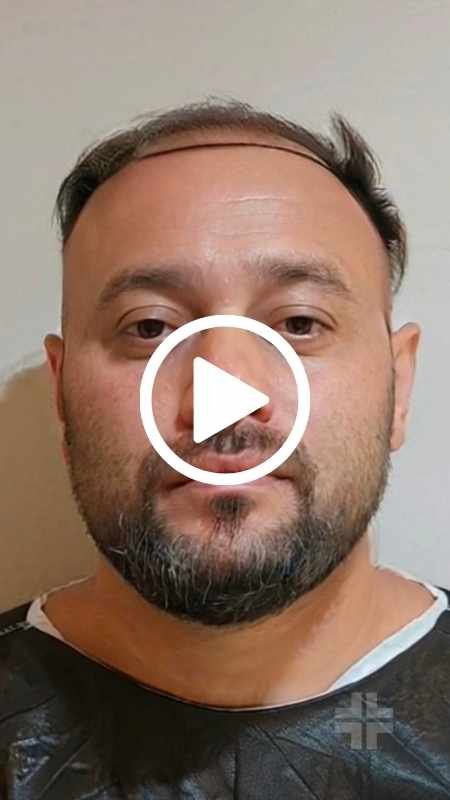
“A Swedish name in Istanbul made me curious enough to fly out and look. The standards turned out to match it, the same sterile discipline I would expect at home, and the hospitality was something we simply do not have back in Göteborg.”
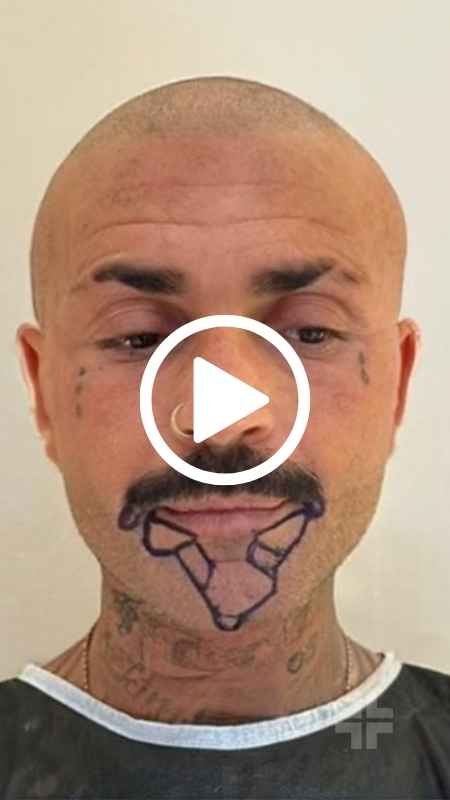
“The evening before surgery they sent me out to see the city rather than sit in a hotel room worrying. That says more about a clinic than any brochure. A year on the density is still filling in and the hairline they drew has not moved a millimetre.”
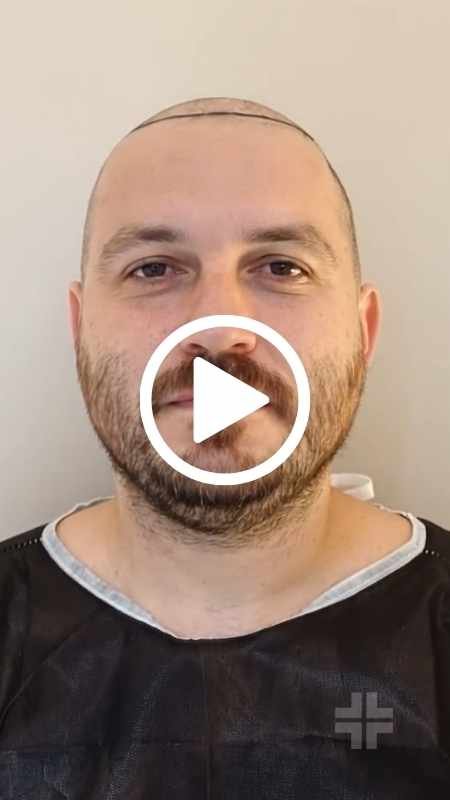
“Everyone talks about the price. What actually sold me was that the surgeon told me what he would not do. He refused to plant the whole donor area in one go, said my hairline had to come first and the thinning at the back could wait a year, and explained exactly why. That is rarer than a good result, and it is why I trusted the good result when it came.”
Six Men, One Operating Day Each.

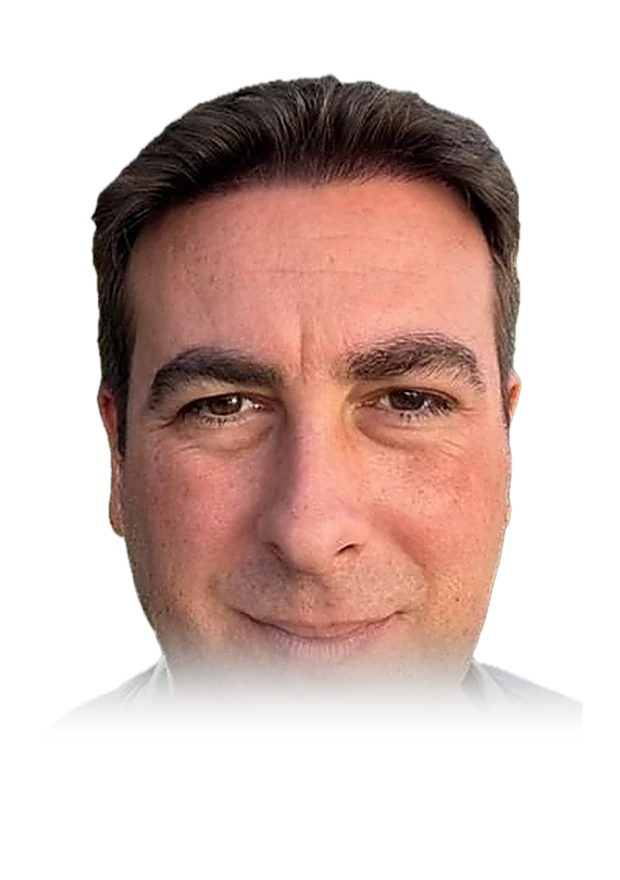
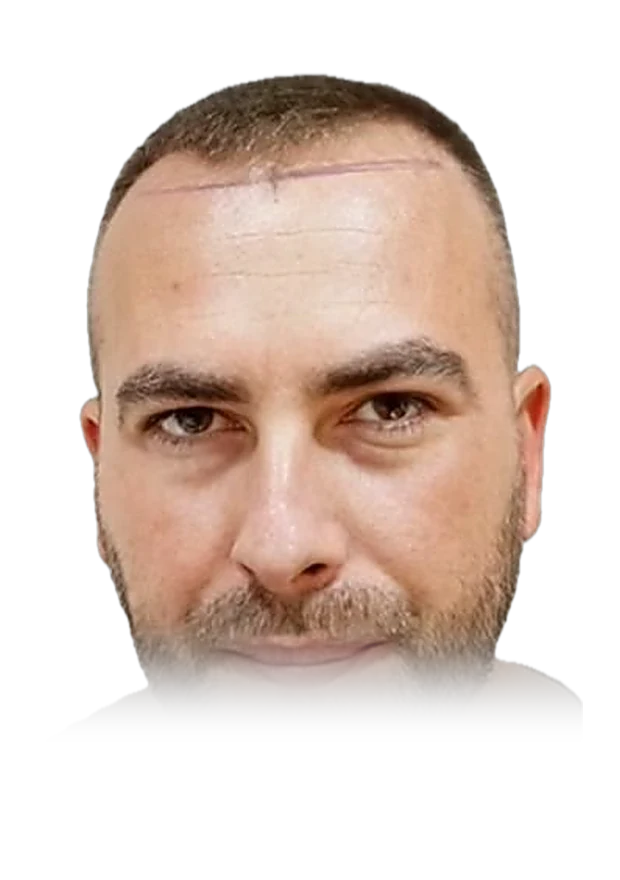
Marcus H.
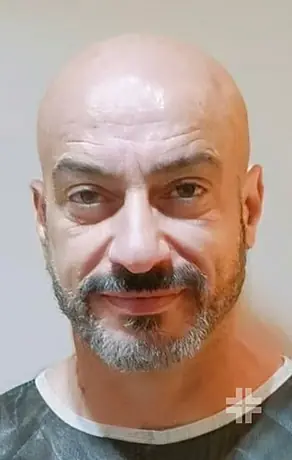
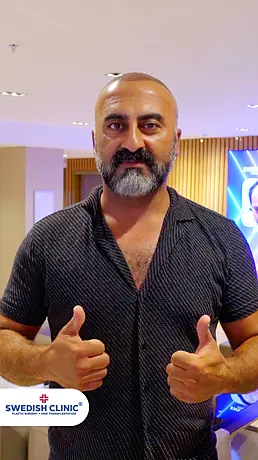
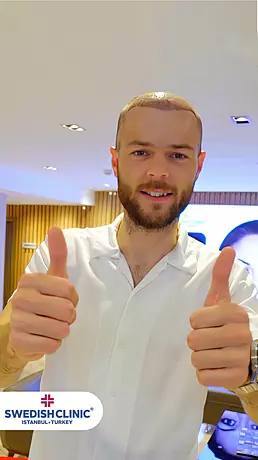
I landed expecting a clinic and got a host. The driver knew my name before I did, the hotel was two minutes from the door, and someone walked me through every single step in German. The operation itself was the least stressful part of the trip. Fourteen months on, my barber in Hamburg still has not worked out that anything was done.
— Marcus H.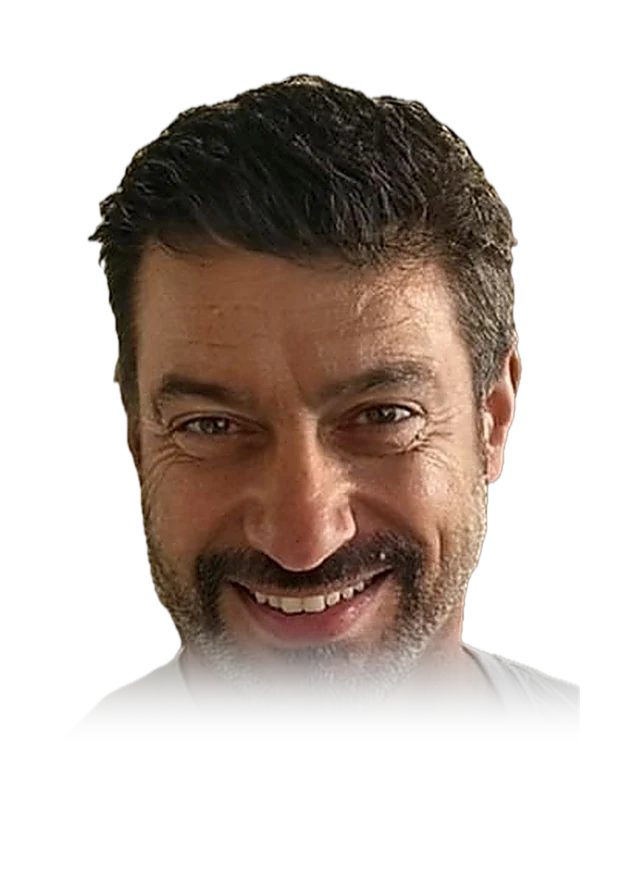
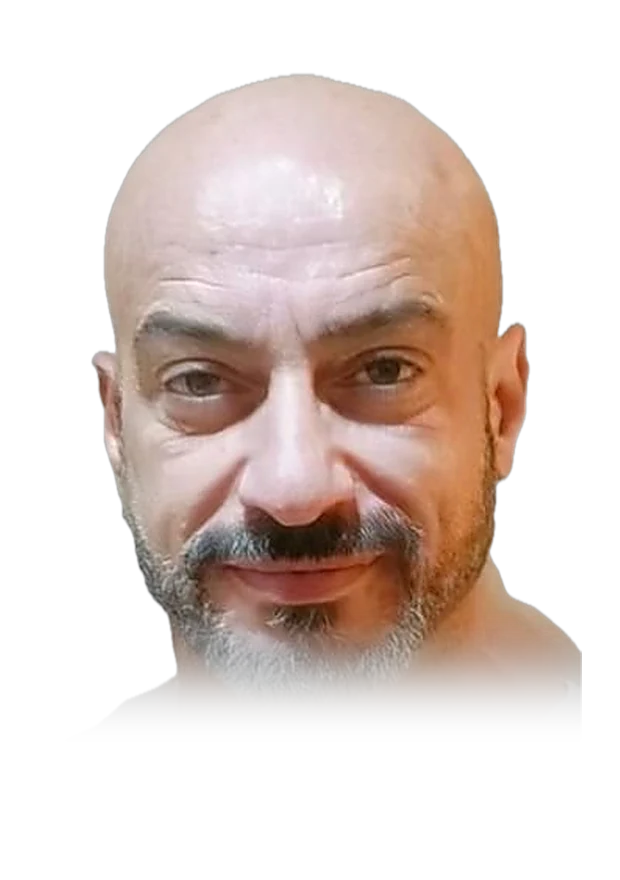
Peter S.
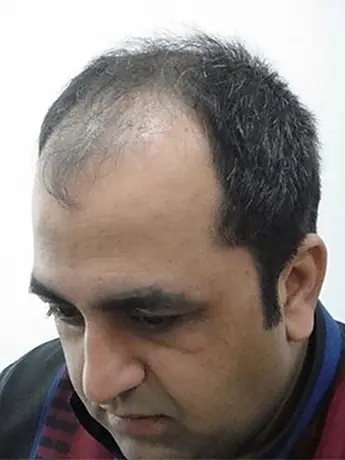
Three days: one for the operation, two for the city. They planned it that way on purpose and told me so in advance. I ate better than I have in years, walked the Bosphorus the evening before, and came home with a hairline that finally matches my age instead of fighting it.
— Peter S.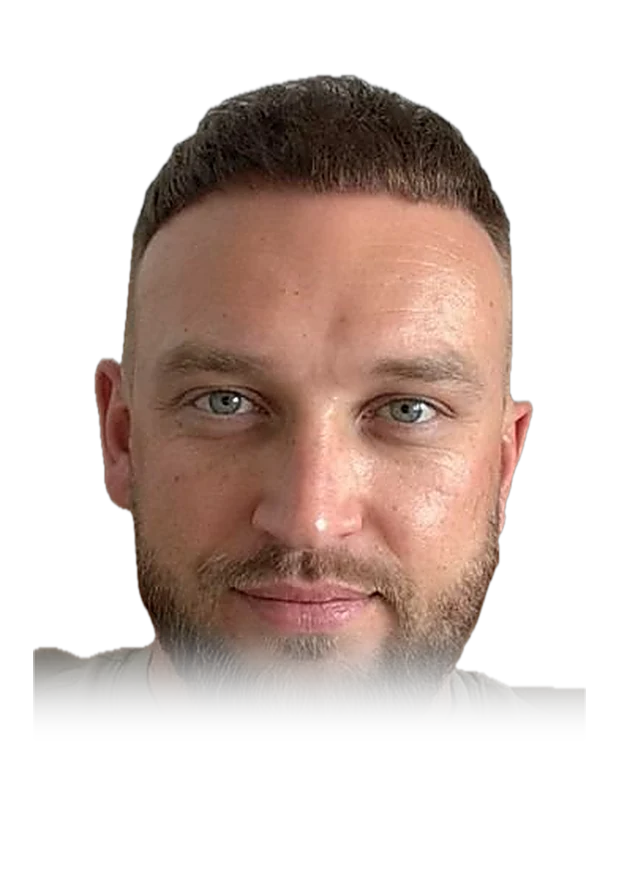
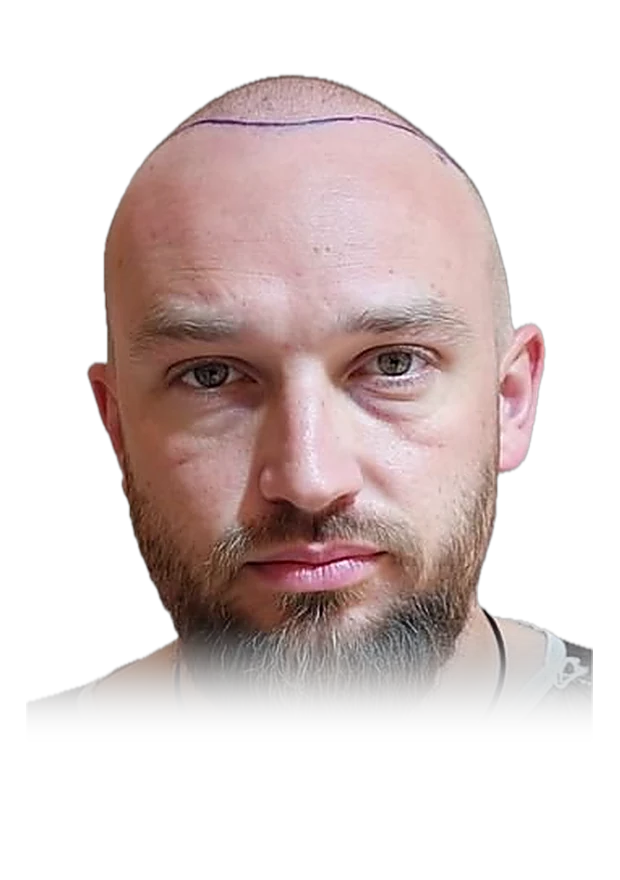
Liam O'C.
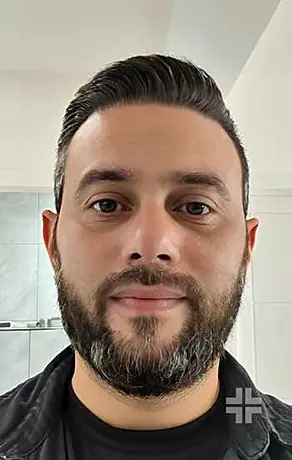
What surprised me was how calm it all was. Nobody rushed me, nobody upsold me, nobody quoted a number before they had measured. The team checked on me every day I was in Istanbul and they still message me a year later to ask for photographs.
— Liam O'C.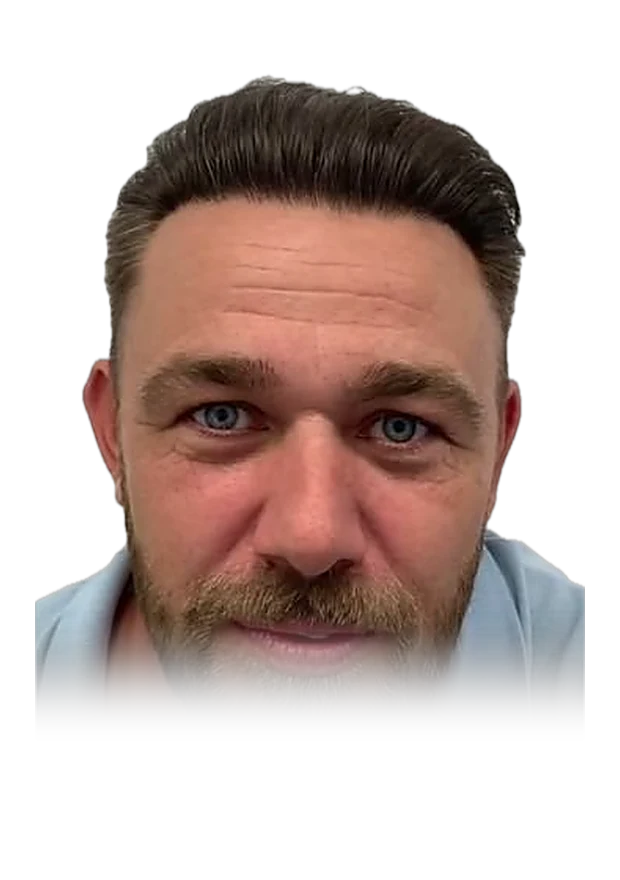
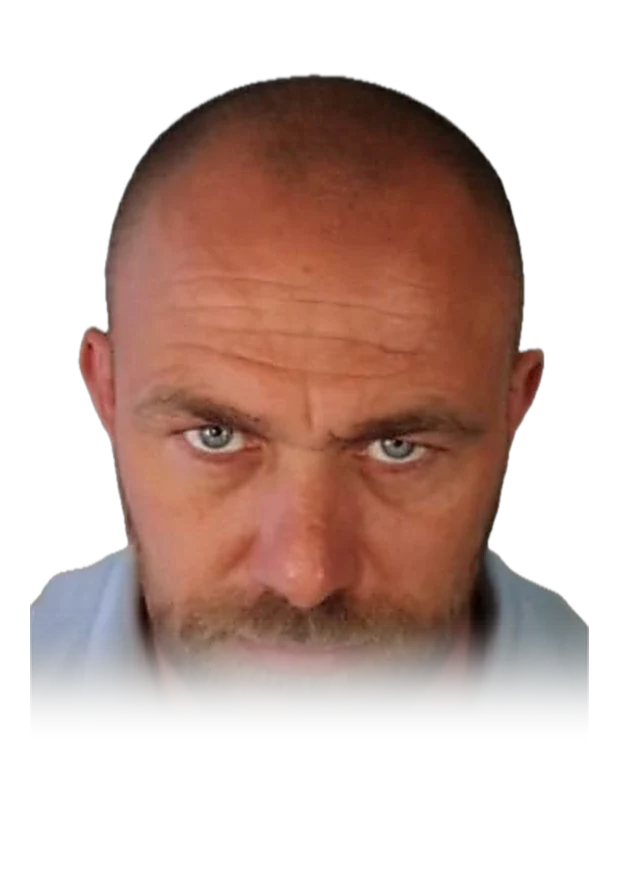
Erik L.
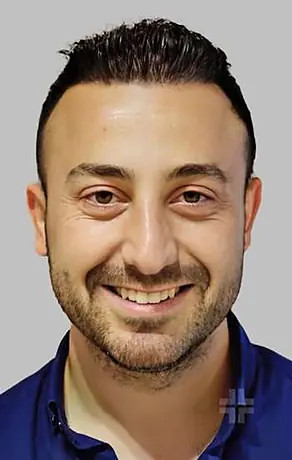
A Swedish name in Istanbul made me curious enough to fly out and look. The standards turned out to match it, the same sterile discipline I would expect at home, and the hospitality was something we simply do not have back in Göteborg.
— Erik L.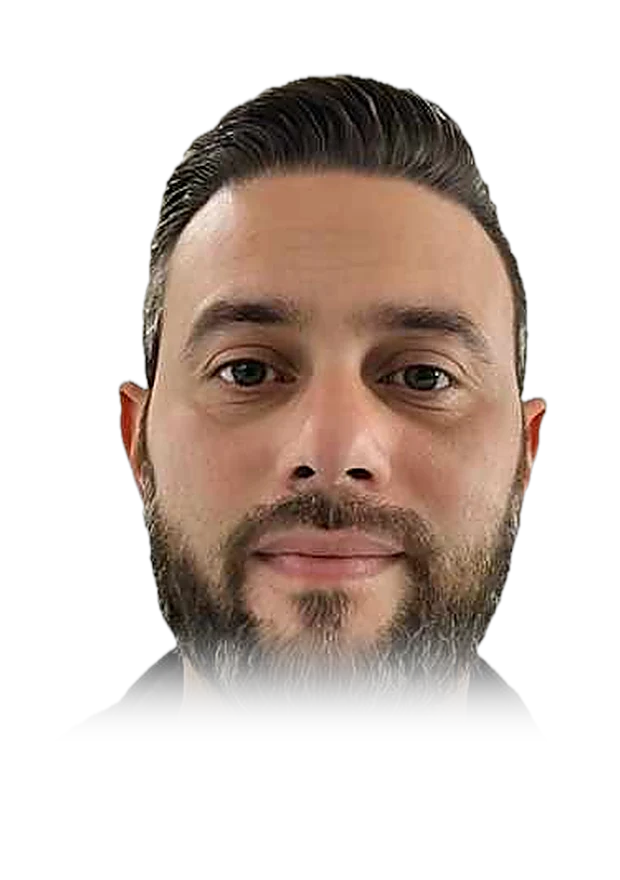
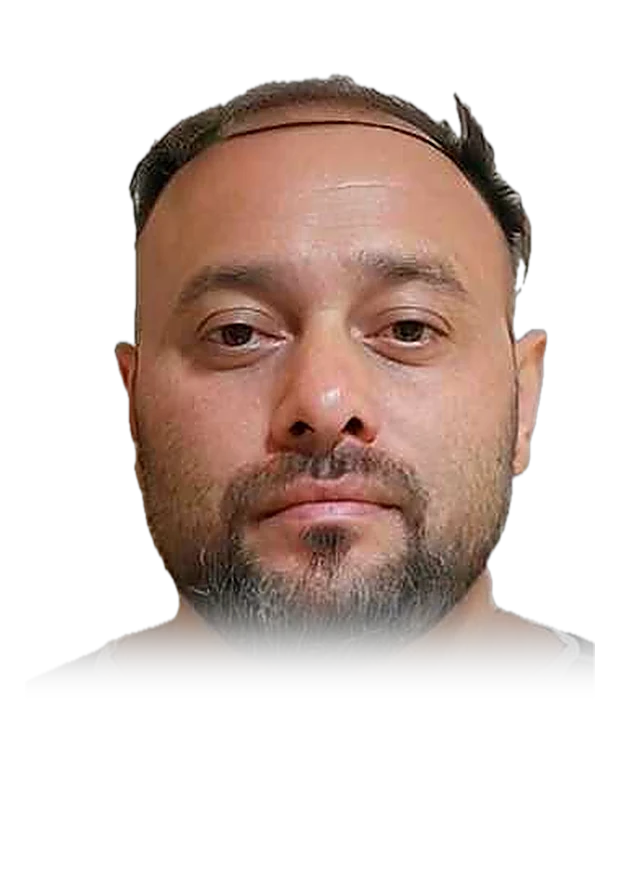
Antoine D.
The evening before surgery they sent me out to see the city rather than sit in a hotel room worrying. That says more about a clinic than any brochure. A year on the density is still filling in and the hairline they drew has not moved a millimetre.
— Antoine D.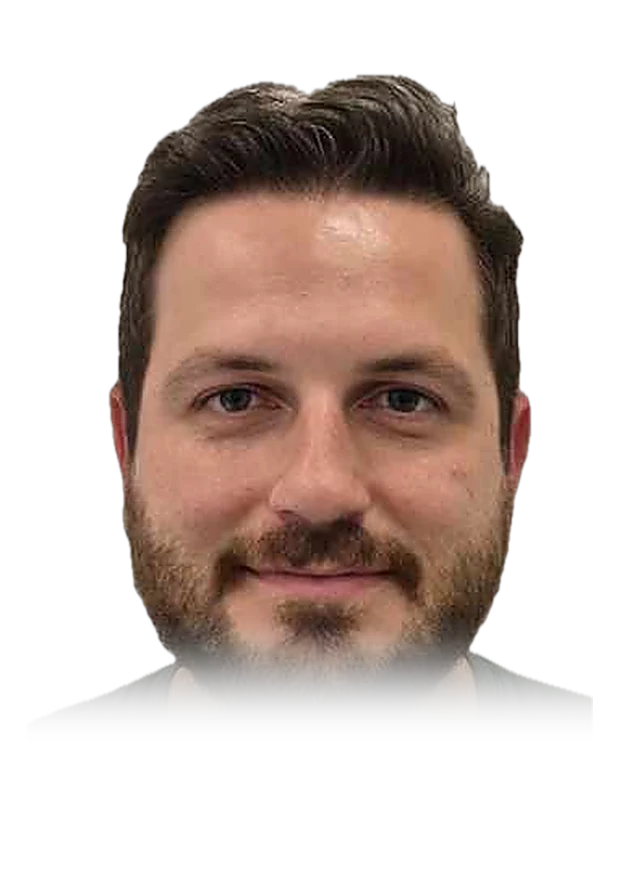
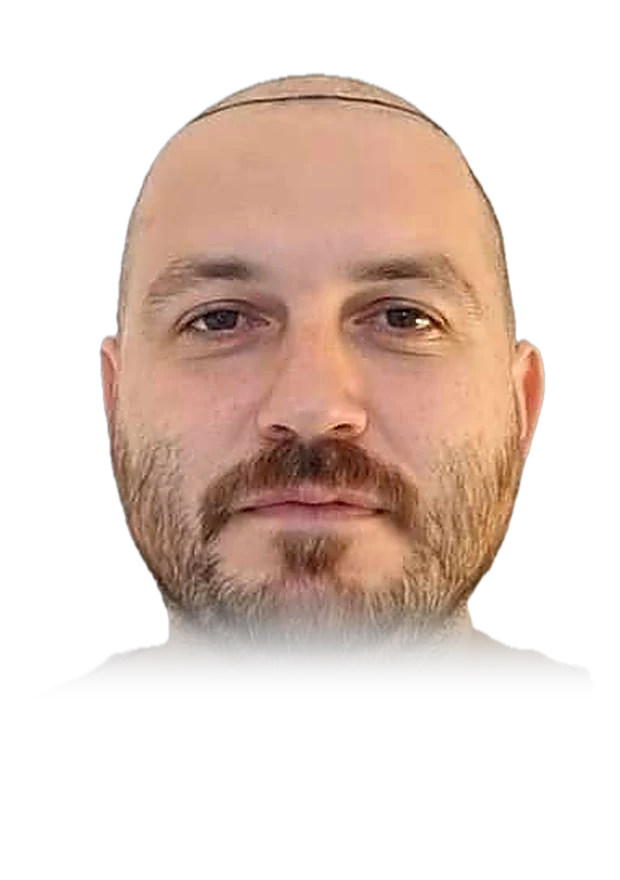
Tom W.
Everyone talks about the price. What actually sold me was that the surgeon told me what he would not do. He refused to plant the whole donor area in one go, said my hairline had to come first and the thinning at the back could wait a year, and explained exactly why. That is rarer than a good result, and it is why I trusted the good result when it came.
— Tom W.The Techniques We Actually Use.
The method that suits your donor area is chosen before you book — then explained in plain words, so you know exactly what you are paying for.
Visit Our YouTube Channel.
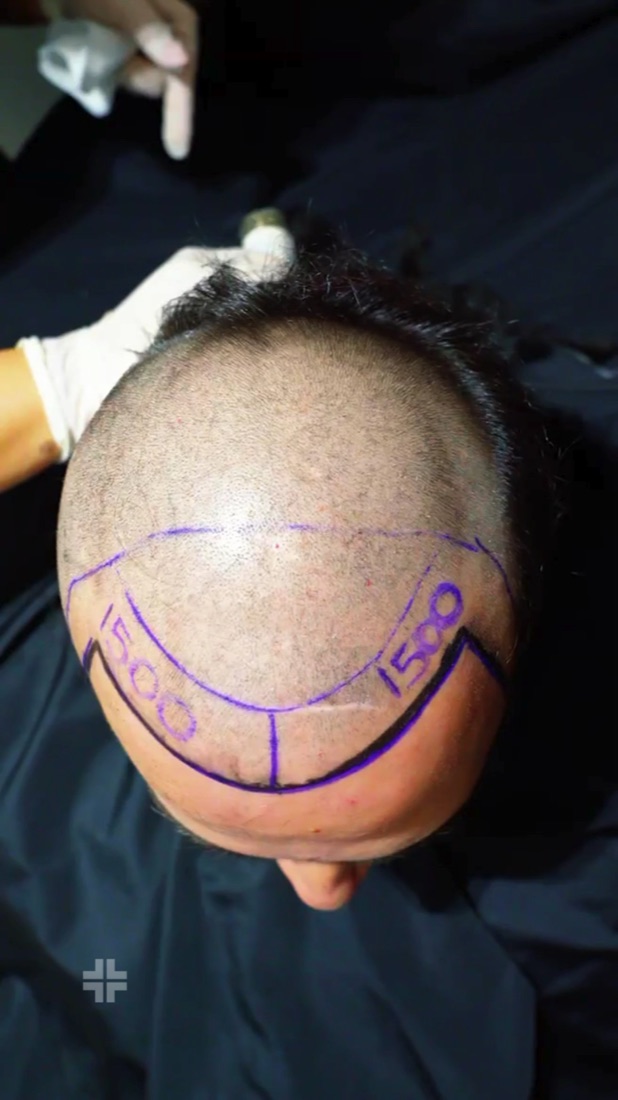
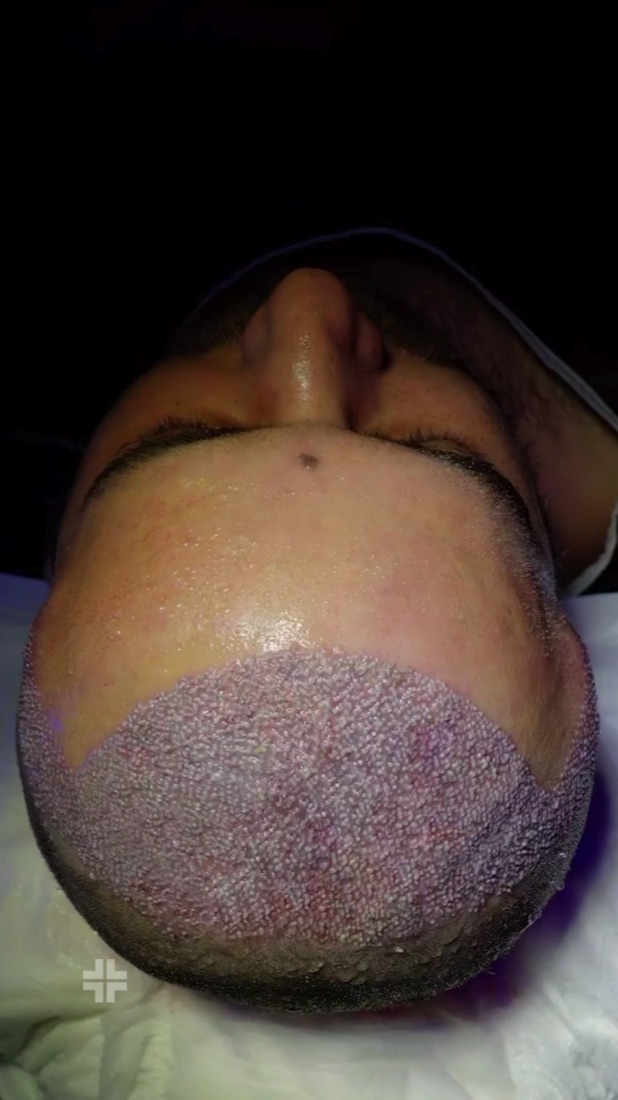
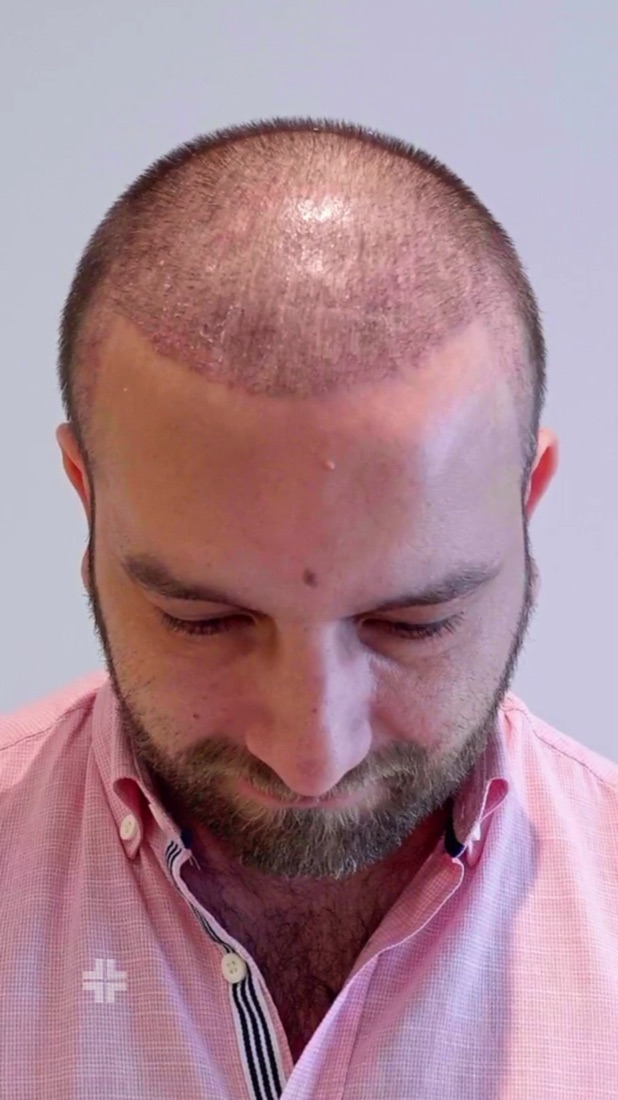
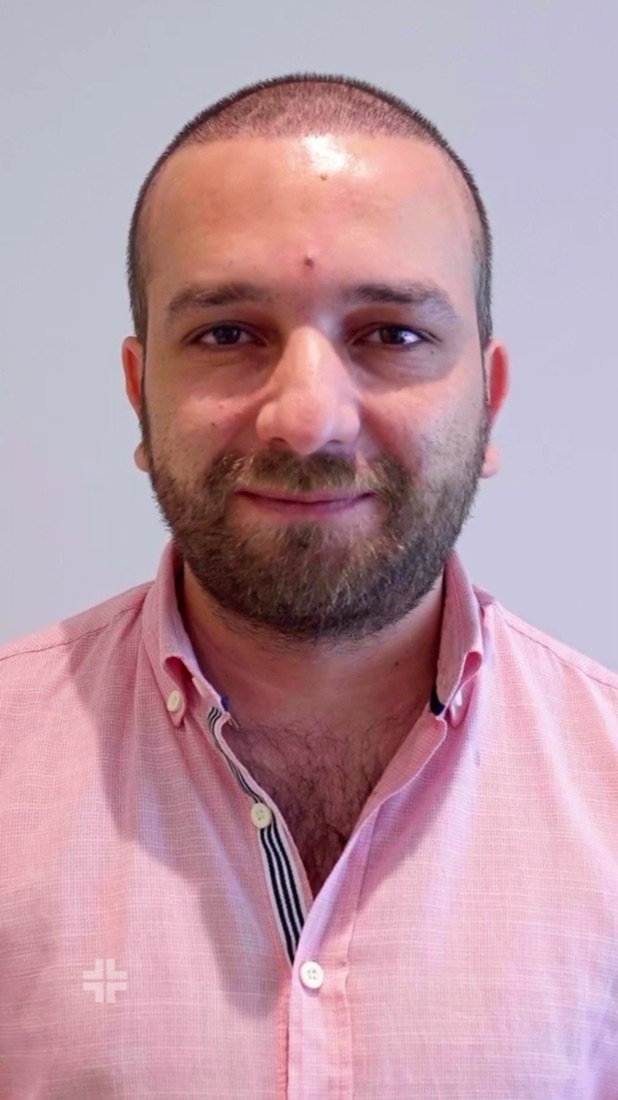
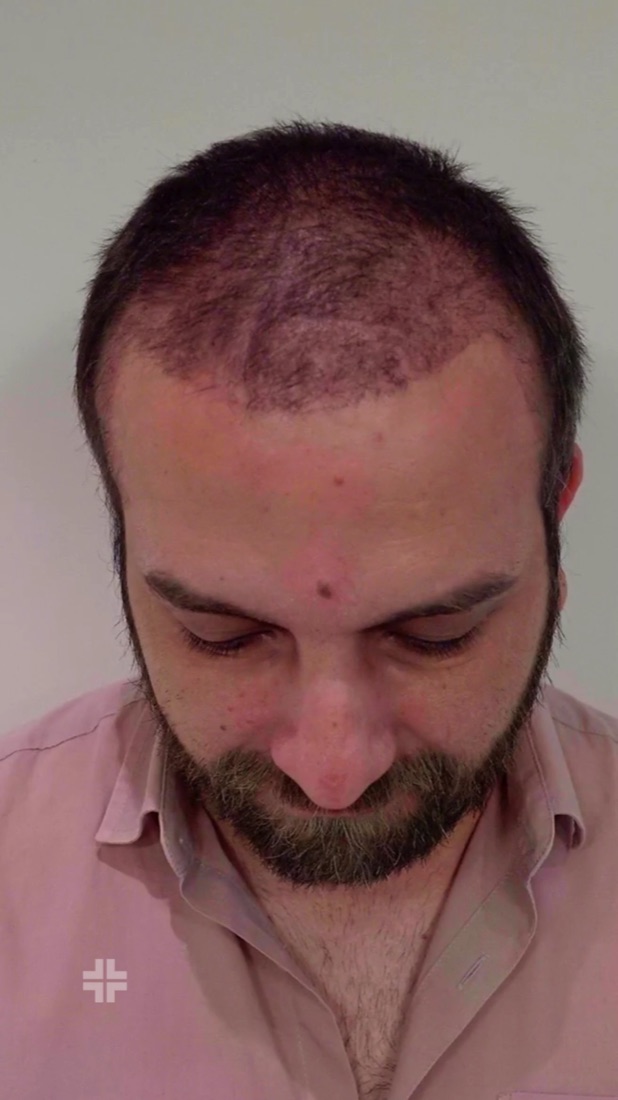
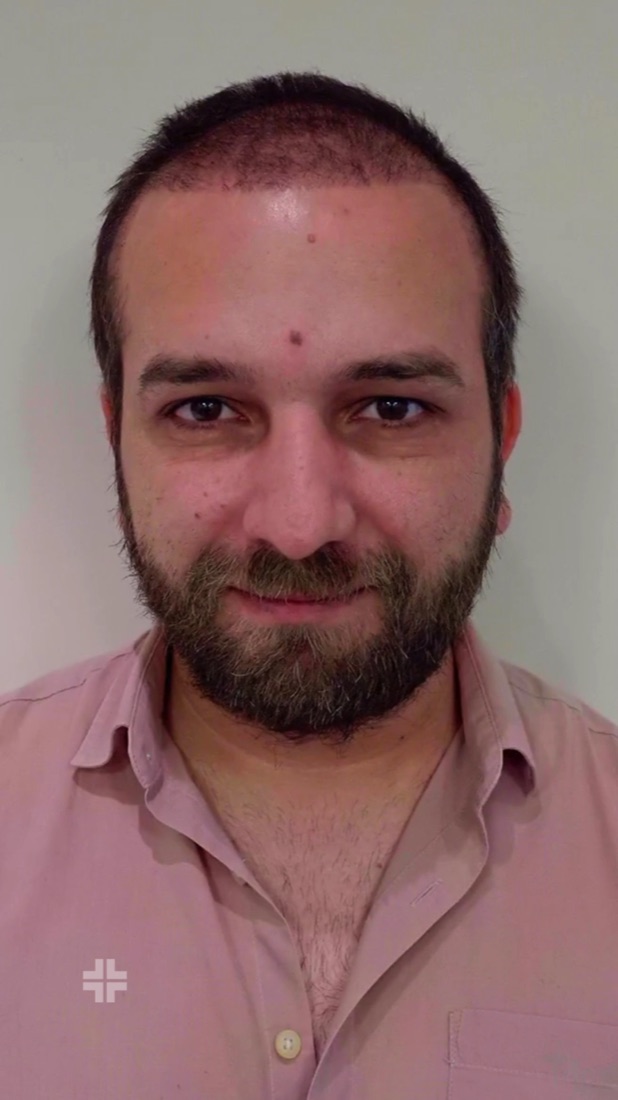
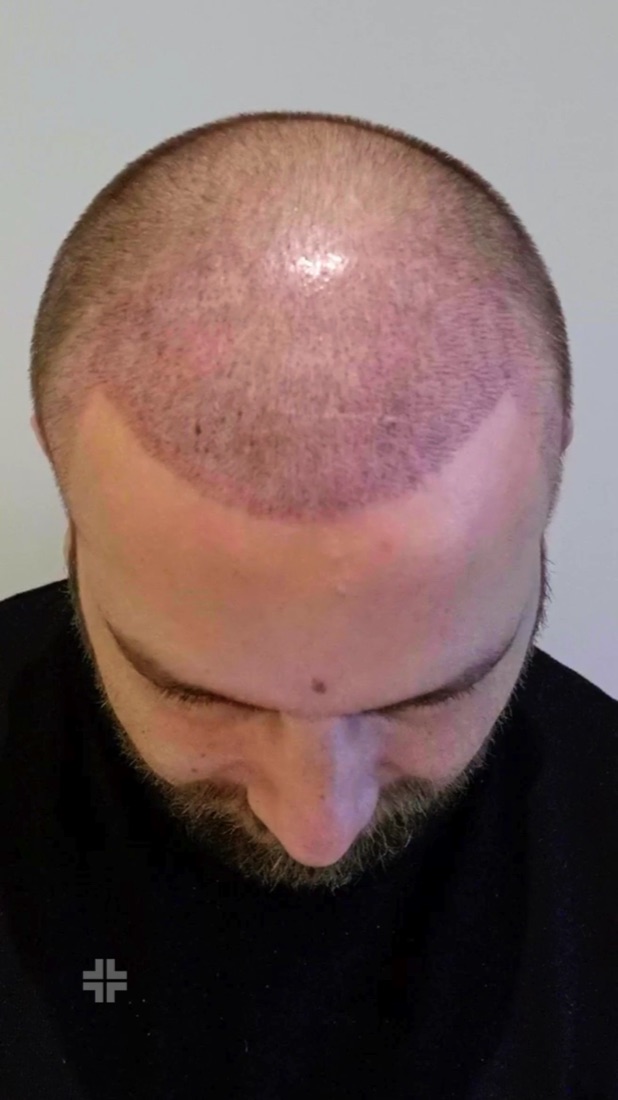
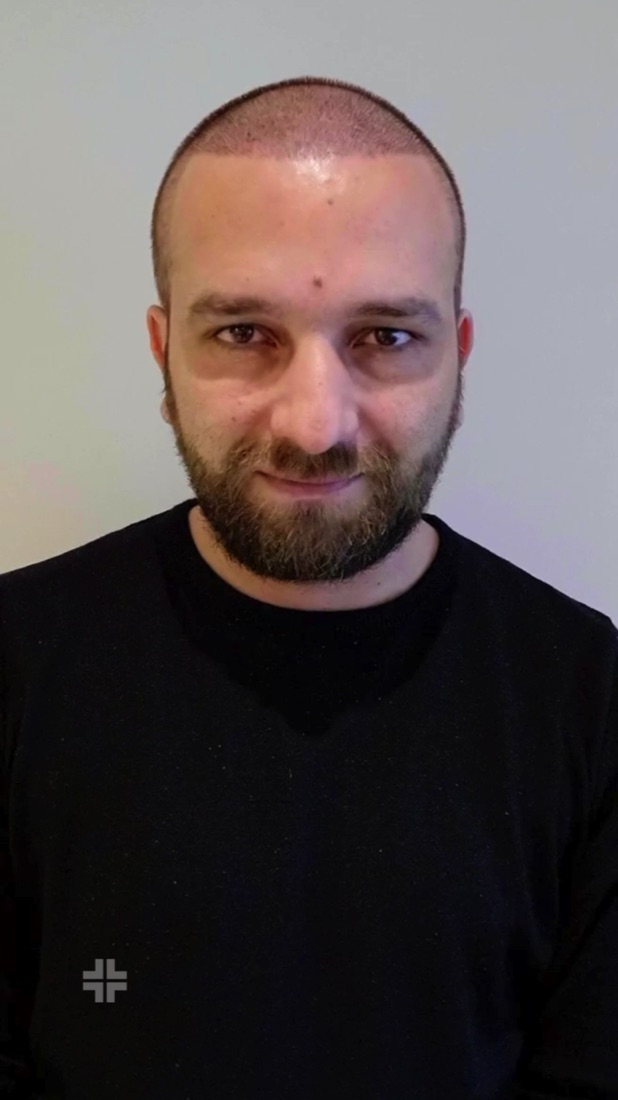
One Patient, Day One To Month Twelve.
The same man in every frame, in order — including the weeks he looked worse than when he started.
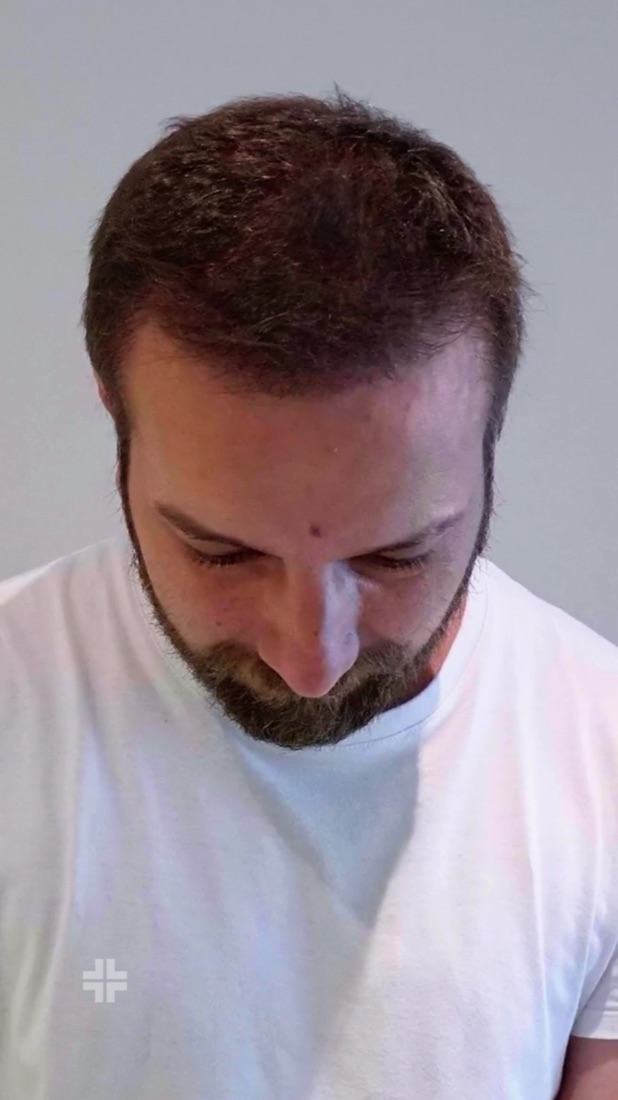
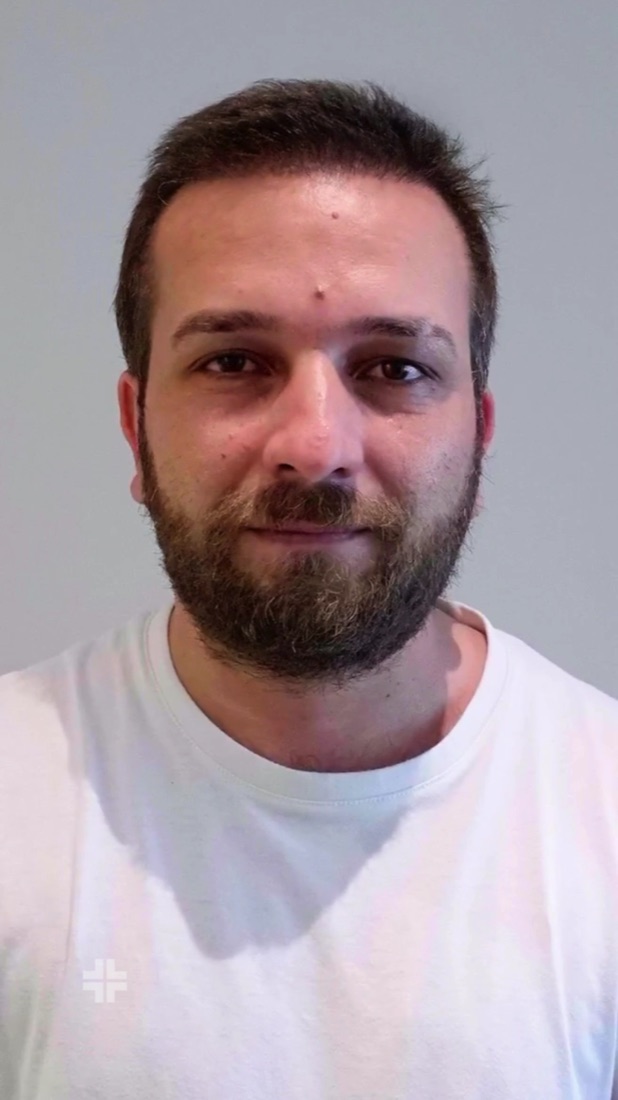
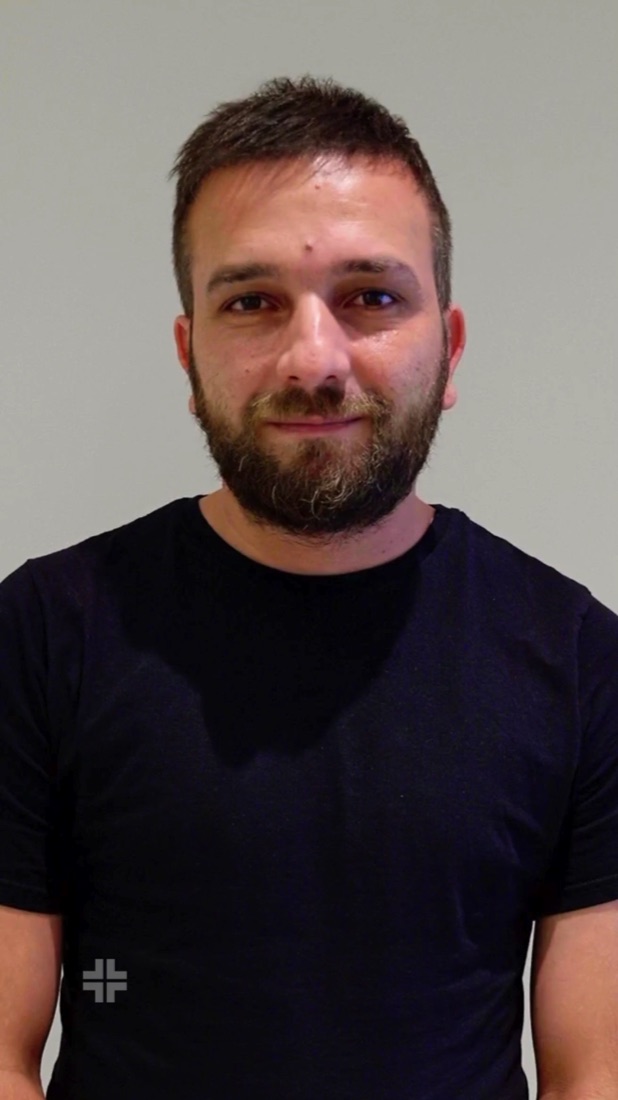
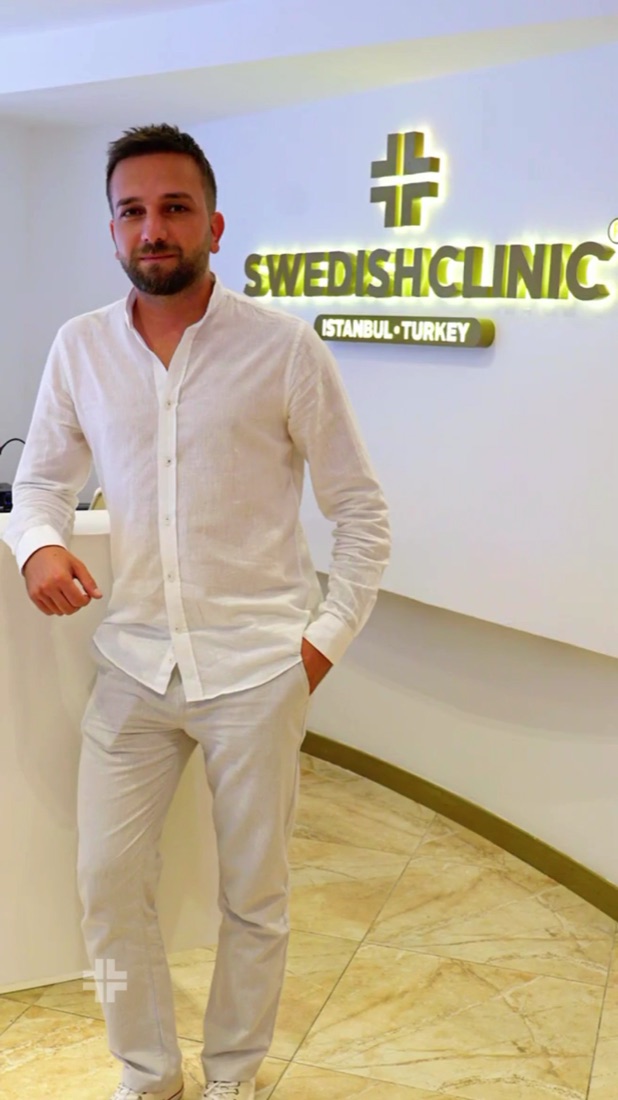
Hair Transplant Questions People Actually Ask.
How many grafts do I need for a hair transplant?
Most patients need between 2,500 and 4,500 grafts. A receding hairline usually takes 2,000-3,000; hairline plus crown 3,500-4,500. The exact number depends on your donor density and the area to be covered. Send two photos and our specialists give you a graft plan free of charge.
Ask us this on WhatsAppWhat is the difference between Sapphire FUE and DHI Choi?
Sapphire FUE opens micro-channels with sapphire blades, then places grafts. It covers large areas densely in one session and is the standard choice for most male cases. DHI Choi implants each follicle directly with a pen, giving maximum control of angle and depth; it suits hairline detail, women’s cases and unshaven treatment.
Ask us this on WhatsAppIs a hair transplant in Turkey safe and permanent?
Yes, when it is done in a licensed hospital by a specialist team. Swedish Clinic holds Temos international accreditation and a Health Tourism Authorisation Certificate from the Republic of Türkiye Ministry of Health. Transplanted follicles come from the permanent donor zone, so they keep growing for life. We back this with a lifetime growth guarantee.
Ask us this on WhatsAppDoes a hair transplant hurt?
The procedure is performed under local anaesthesia. You are awake, comfortable and can watch a film or talk with the team. Only the first injections are felt. Most patients describe mild tightness for two or three days afterwards, managed with simple painkillers.
Ask us this on WhatsAppWhen will I see the results of my hair transplant?
Transplanted hairs shed in weeks 2-6. This is normal. New growth starts around month 3, becomes visible at months 6-8, and the final density arrives at 12-15 months. Every before/after photo on this page was taken 9-15 months after the operation.
Ask us this on WhatsAppHow many days do I need to stay in Istanbul for a hair transplant?
Plan 3 days: arrival and analysis on day one, the operation on day two, the first wash and aftercare briefing on day three. The operation itself is outpatient, no hospital stay, and you can fly home the same evening on day three.
Ask us this on WhatsAppWhy are hair transplants cheaper in Turkey than in Europe?
Lower running costs, favourable exchange rates and very high volume, not lower quality. Our surgeons perform hair transplants daily, use the same sapphire blades and Choi implanters as European clinics, and work under international accreditation.
Ask us this on WhatsAppDo you help with hotel, transfers and translation?
Yes. VIP airport transfers, a translator in your language and help with hotel booking are included, so you can focus on the treatment, and enjoy Istanbul between appointments.
Ask us this on WhatsAppWhat Stands Behind The Plan.
A licensed hospital, an accredited surgical team and a written guarantee registered in your name — each one checkable before you book anything.







Why A Hair Transplant Costs A Fraction In Istanbul.
The same operation, priced in the four countries most of our patients fly from. Then what is actually inside each number, because a price without its contents tells you nothing.
Country figures are average estimates for 4,000 grafts. Our own line is the package price, up to 4,500 grafts.
What is inside each price
- Consultation with the operating surgeonIncludedOften a coordinator, not the surgeon
- Densitometry before the graft number is fixedIncludedEstimated from a phone photograph
- Blood work read on site the same morningIncludedSometimes skipped entirely
- One operating day, one team, up to 4,500 graftsIncludedSplit across two days to fit the schedule
- PRP session before you fly homeIncludedSold separately
- VIP transfers and a translator at every appointmentIncludedAirport pickup only
- A full year of follow-up with the same teamIncludedContact ends when you land
- Written growth guaranteeIncludedVerbal reassurance
The gap is overhead and volume, not the follicle. Our surgeons operate daily and the clinic runs several theatres; a surgeon abroad may do one or two cases a week in far more expensive space. Where cheap genuinely does mean worse is who holds the punch. Ask any clinic, in writing, whether a licensed doctor performs and supervises every stage. Country estimates compiled from published market comparisons; our own figure is the package price.
Not Our Words, Theirs.
National press and international outlets have covered the clinic and quoted our chairman. Every link below opens the original article.
A Day Here, All At Once.
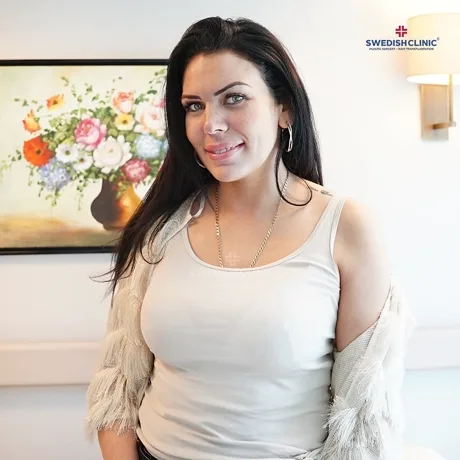
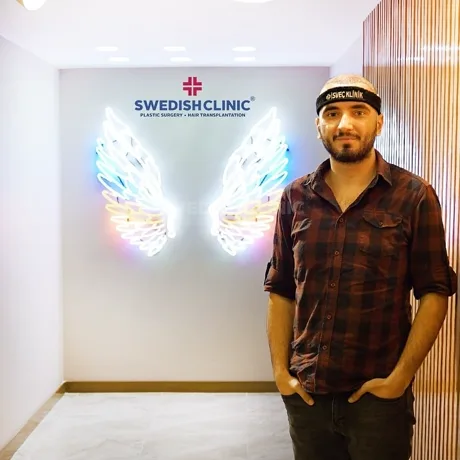
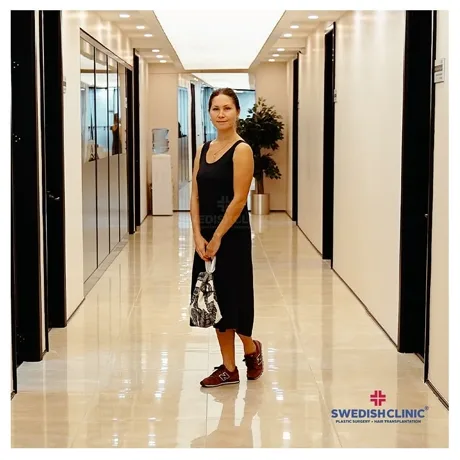
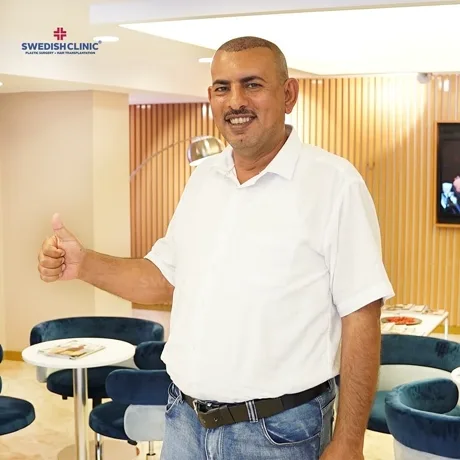
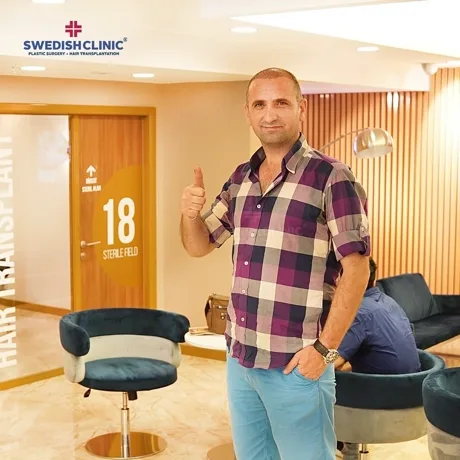
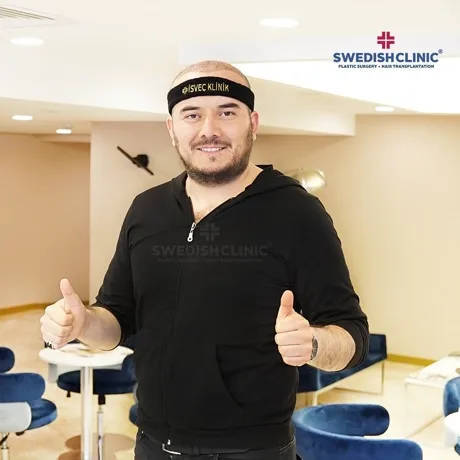
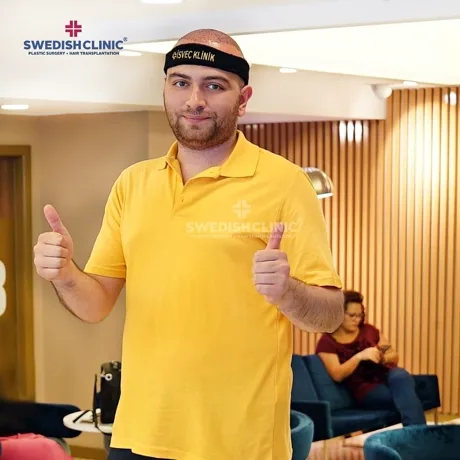
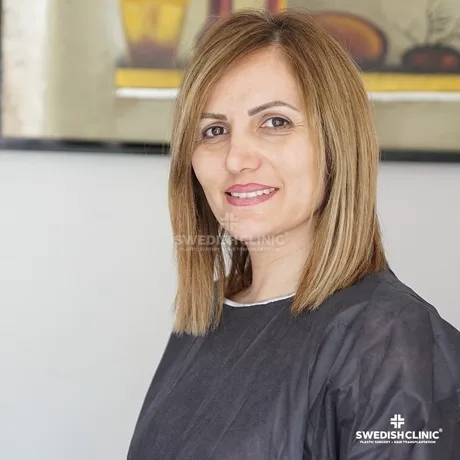
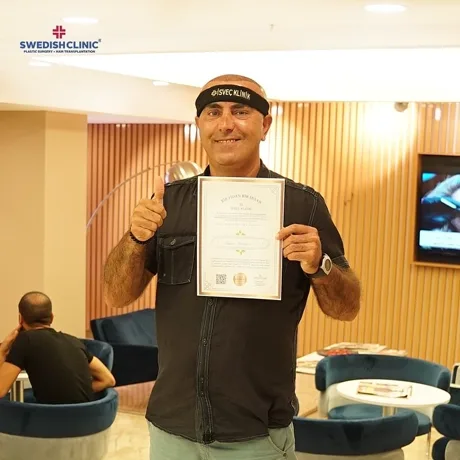
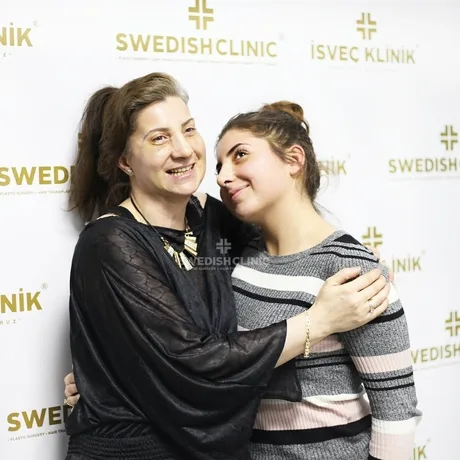
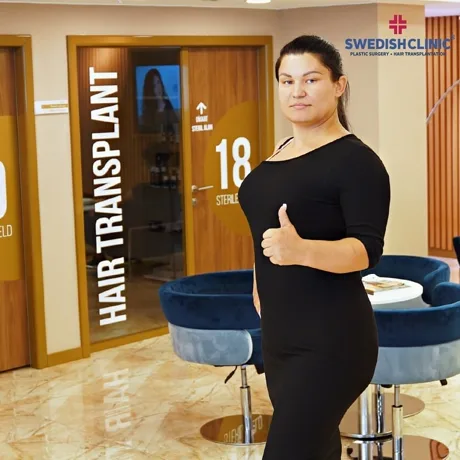
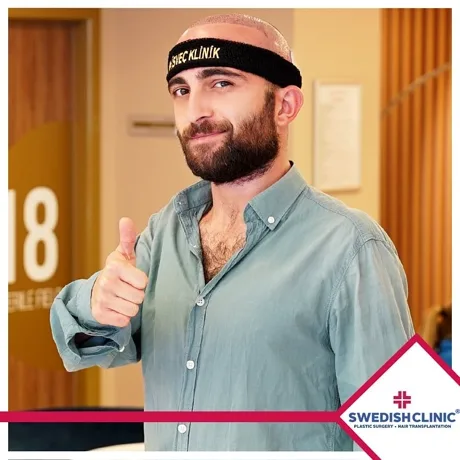
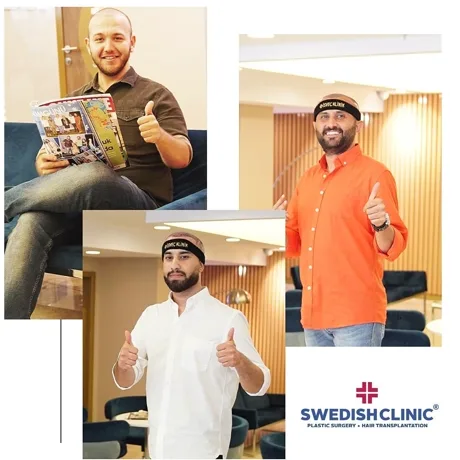
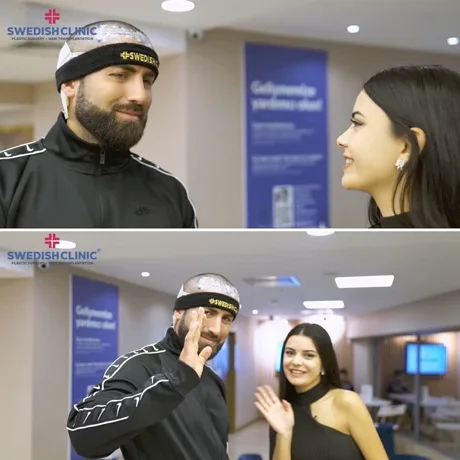
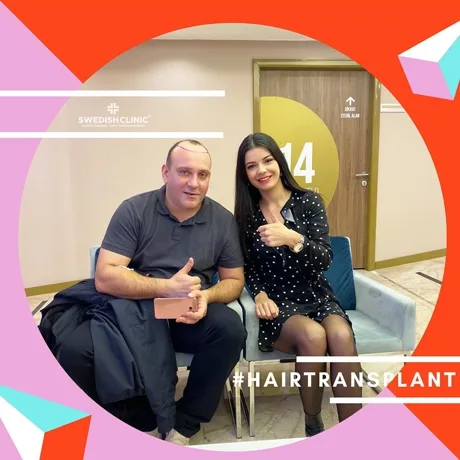
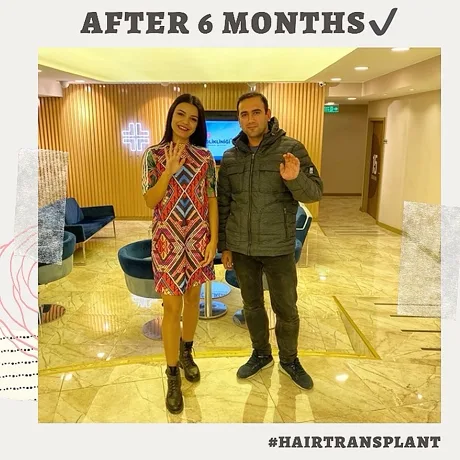
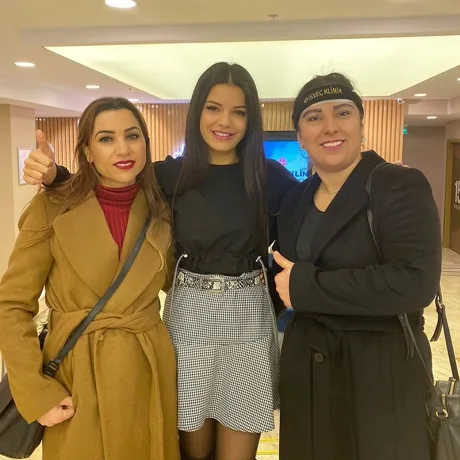
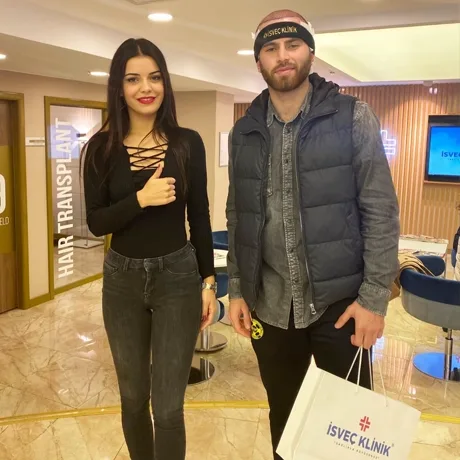
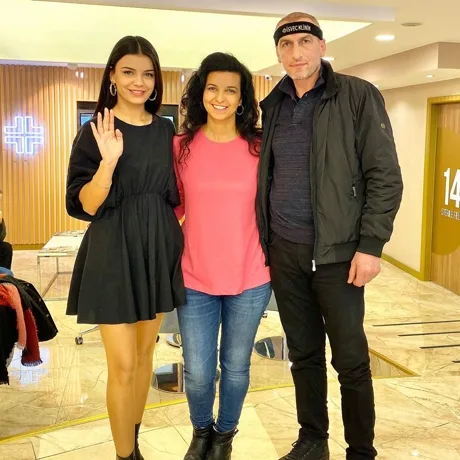
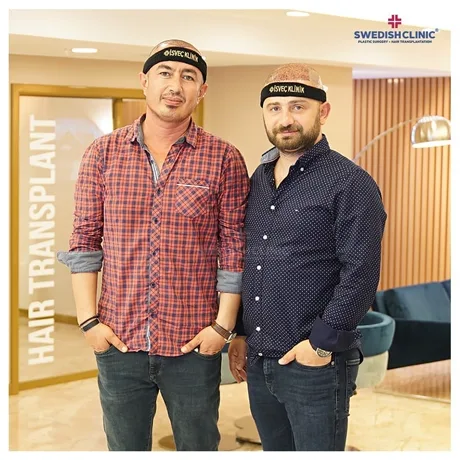
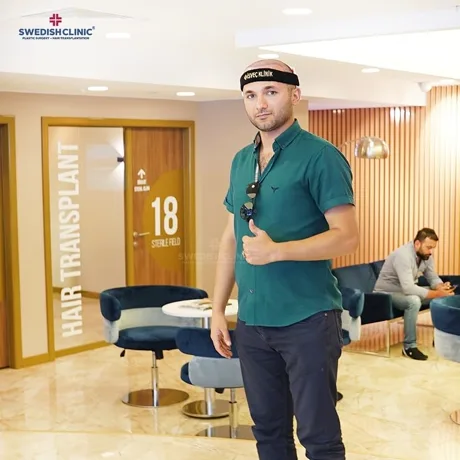
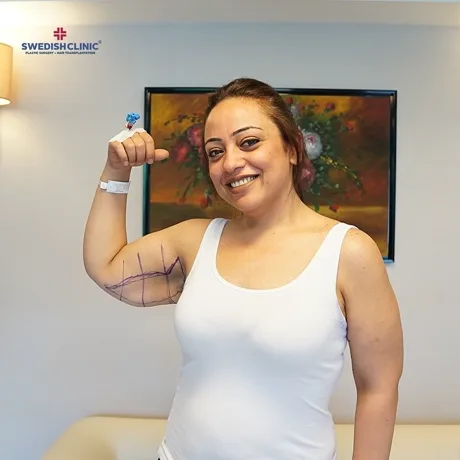
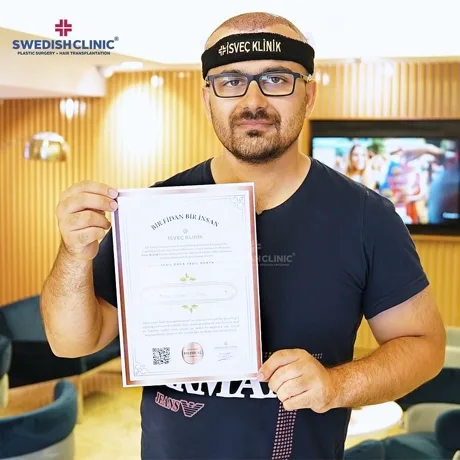
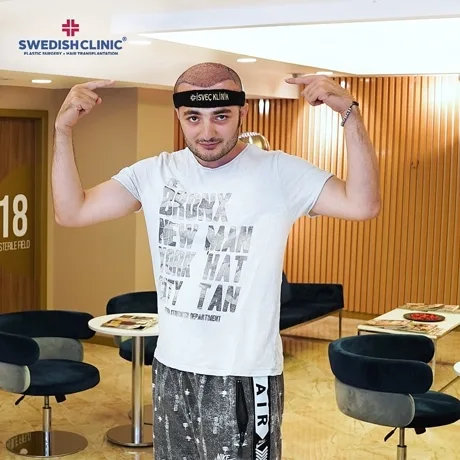
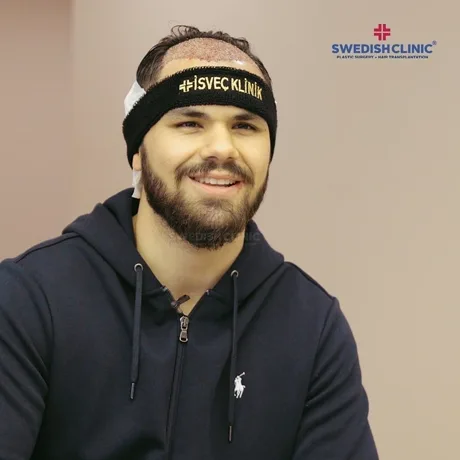
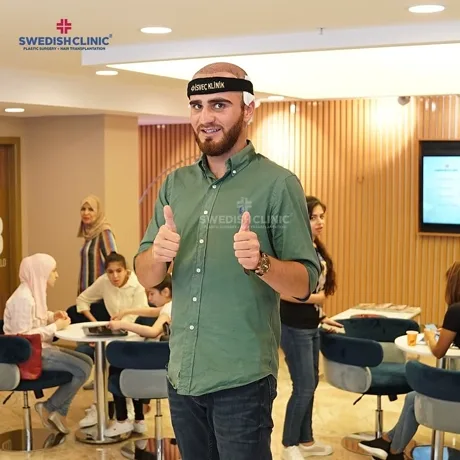
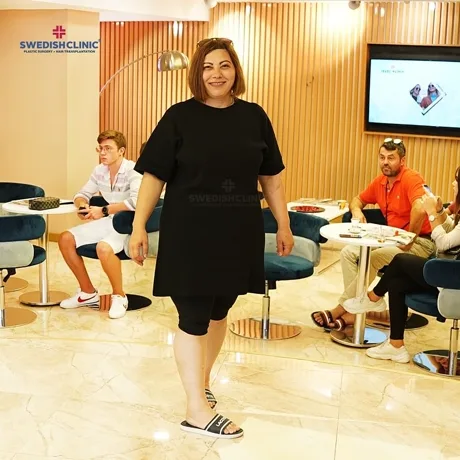
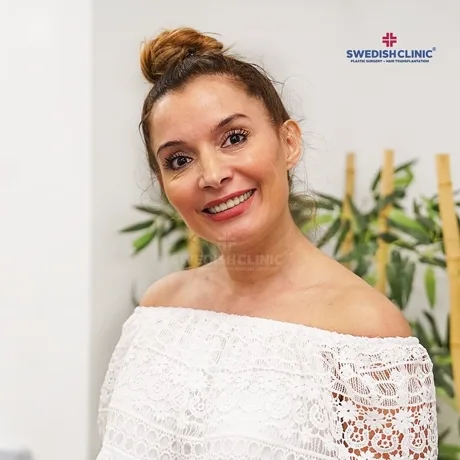
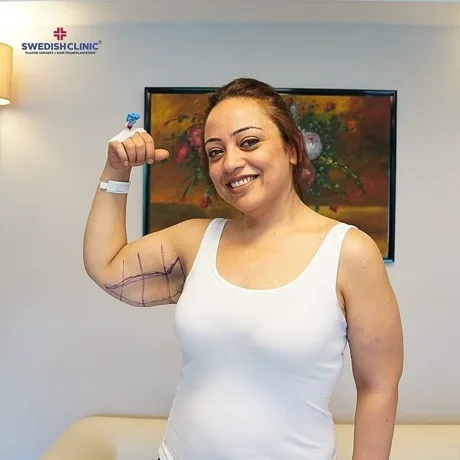
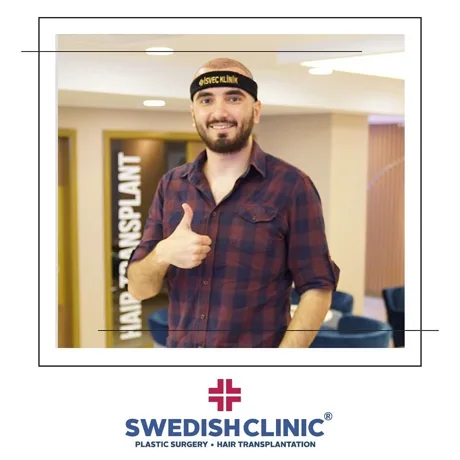
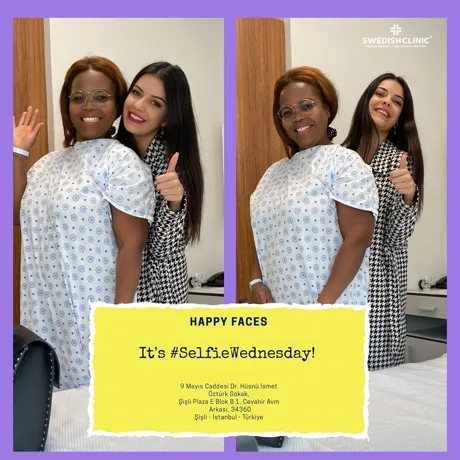
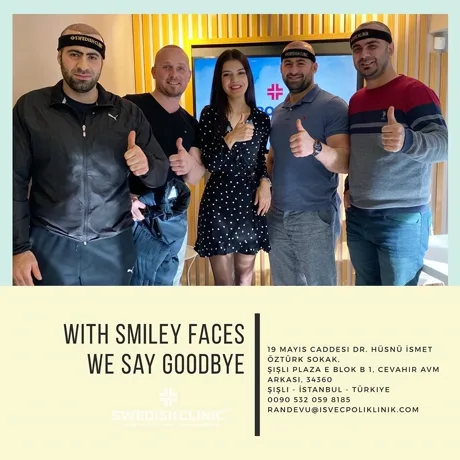
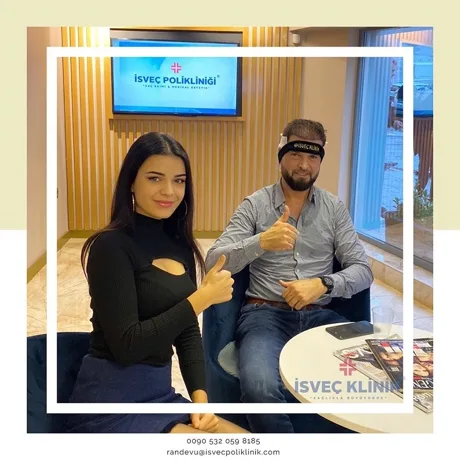
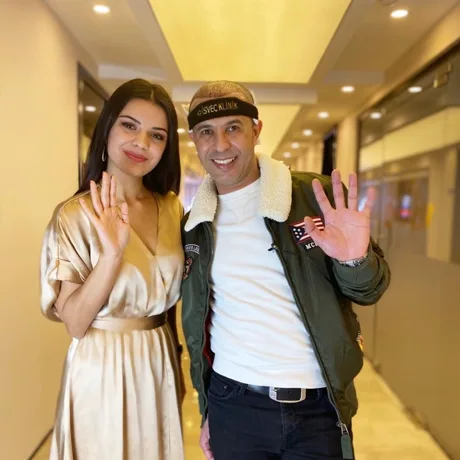
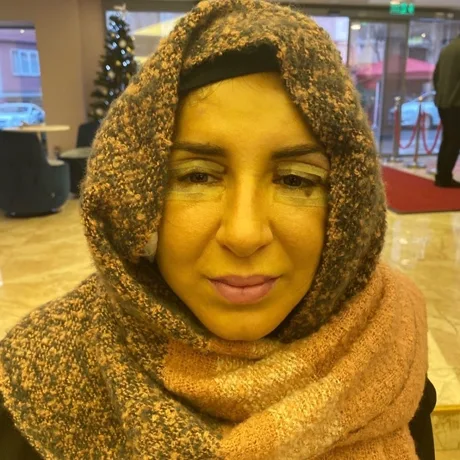
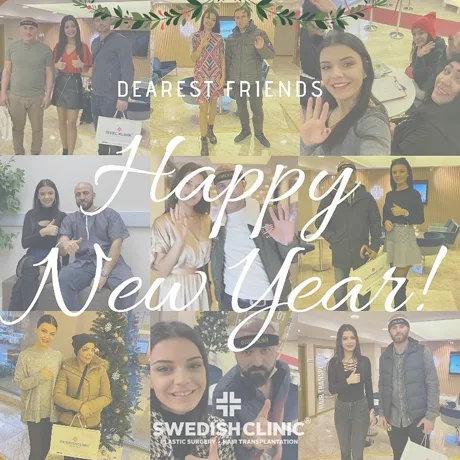
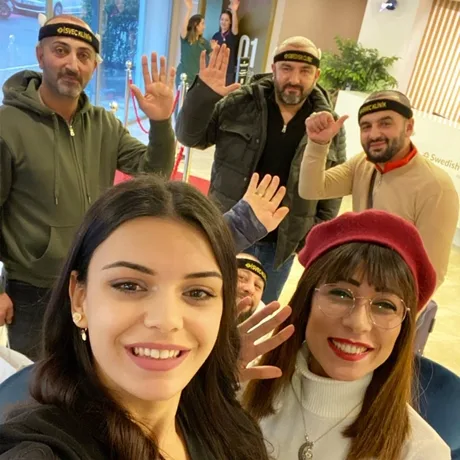
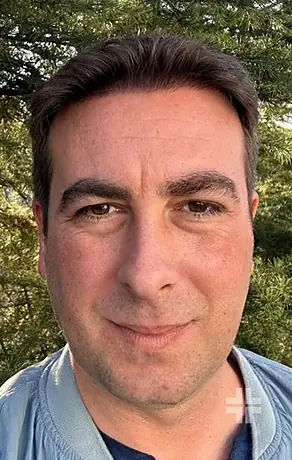
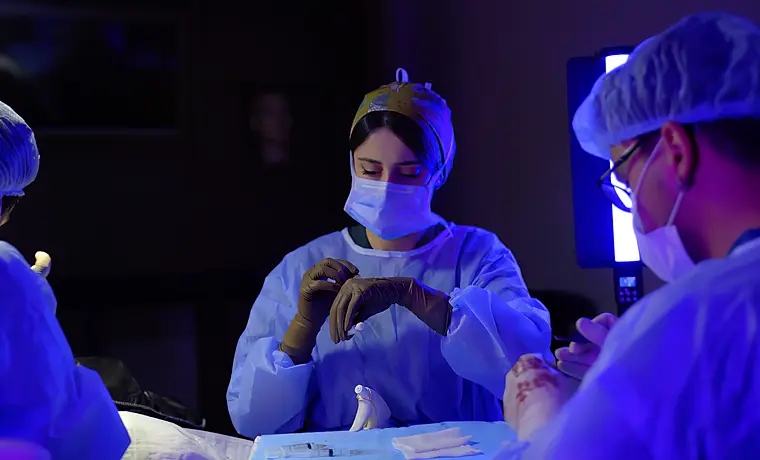
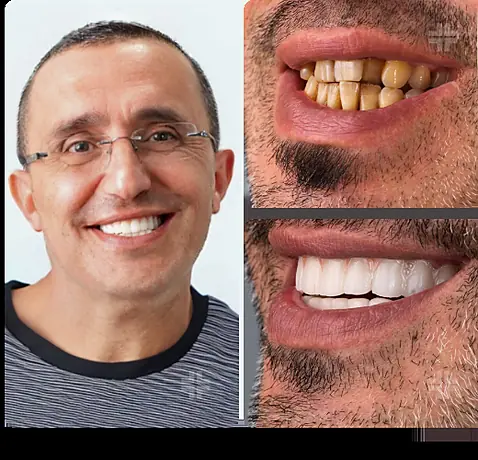
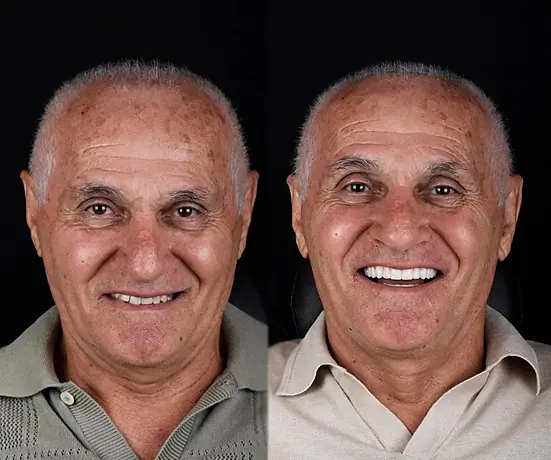
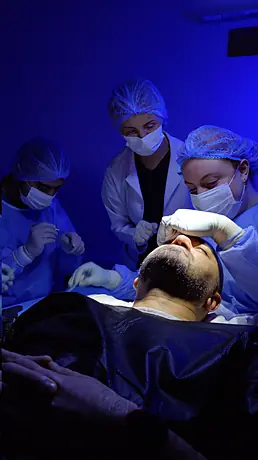
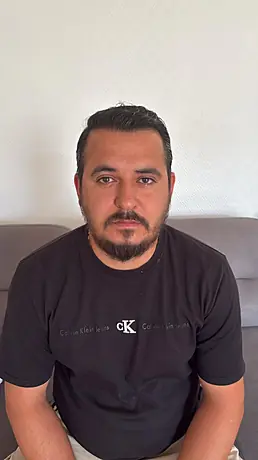
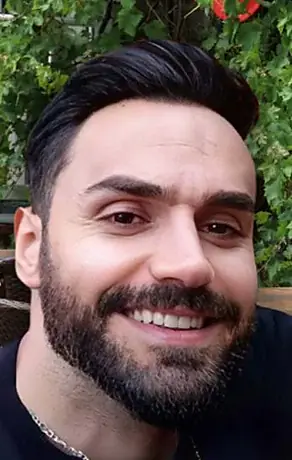
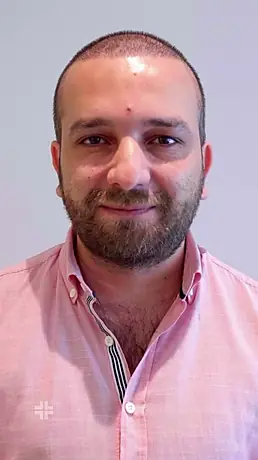
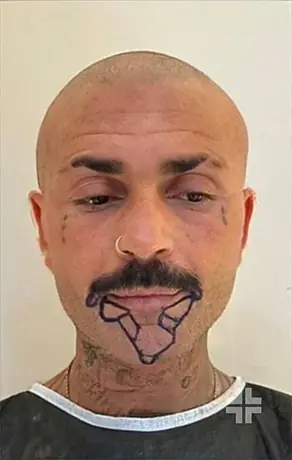
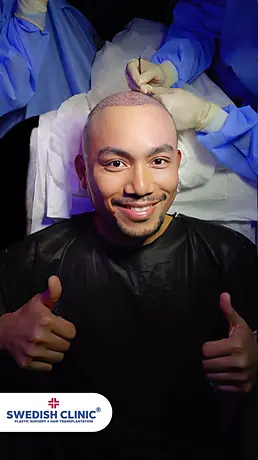
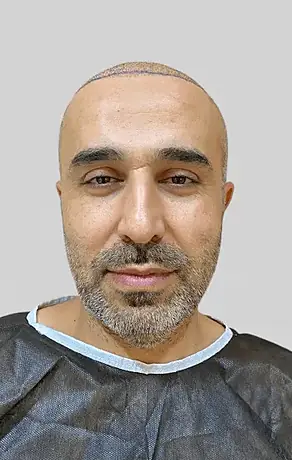
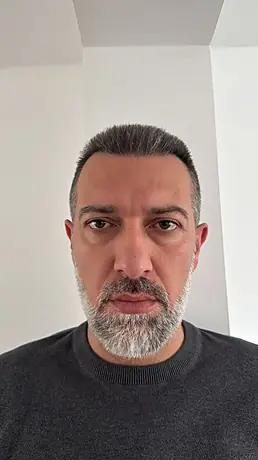
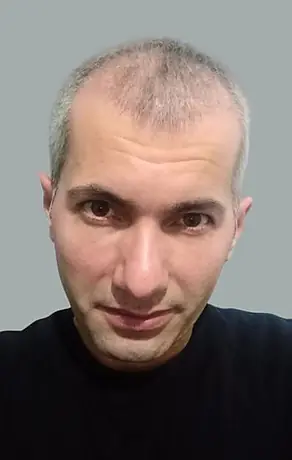
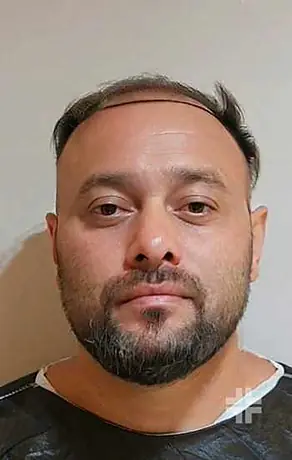
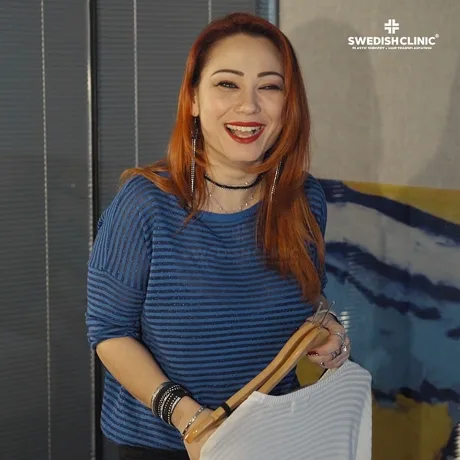
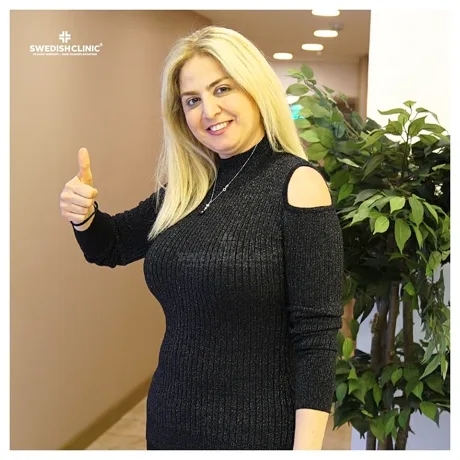
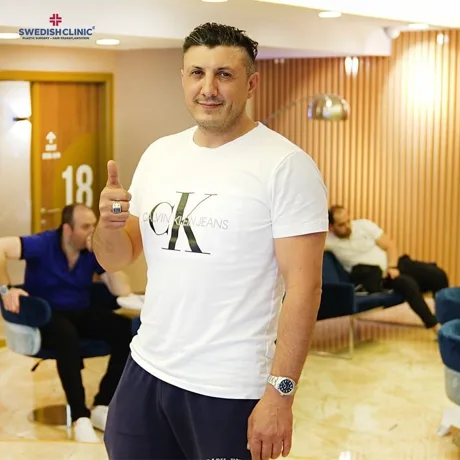
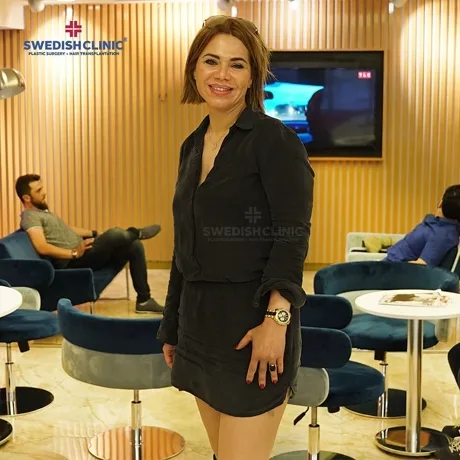
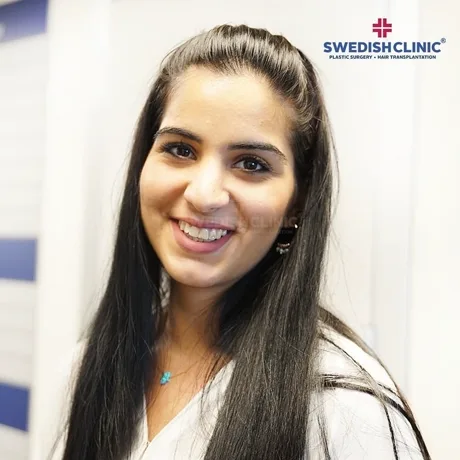
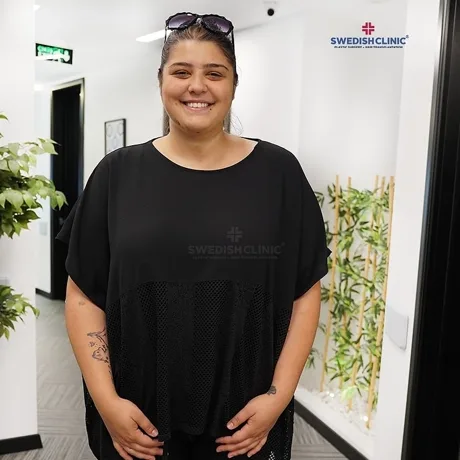
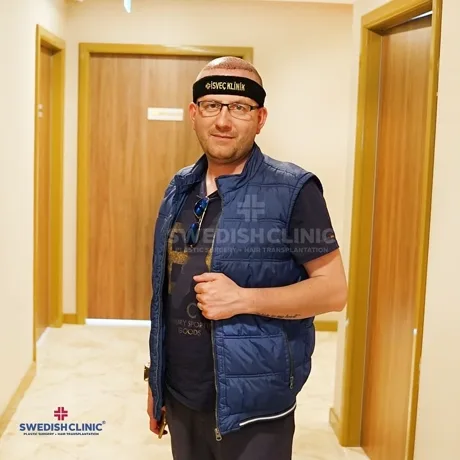
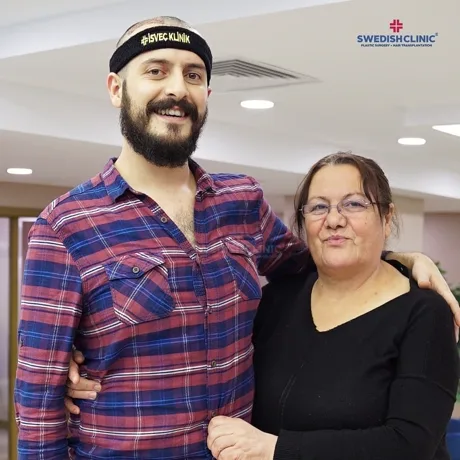
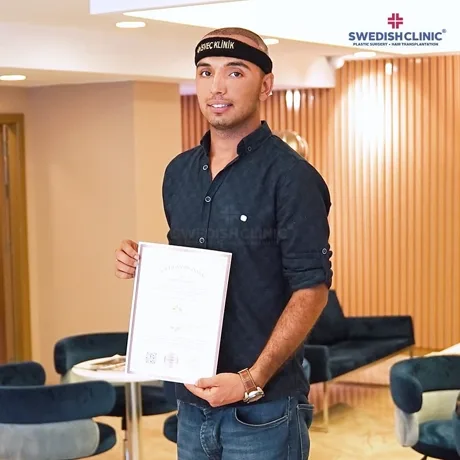
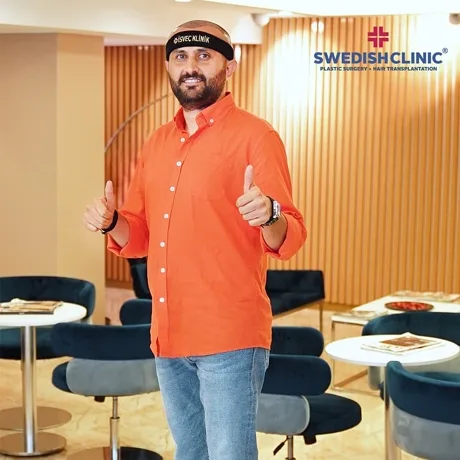
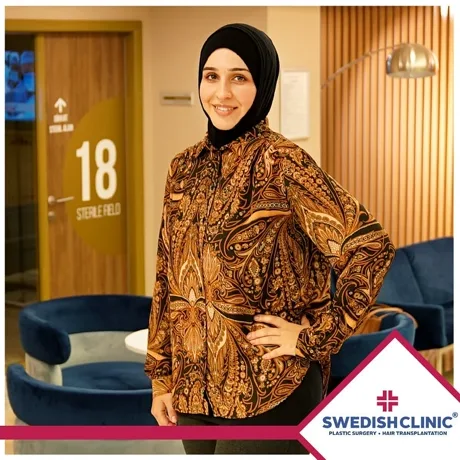
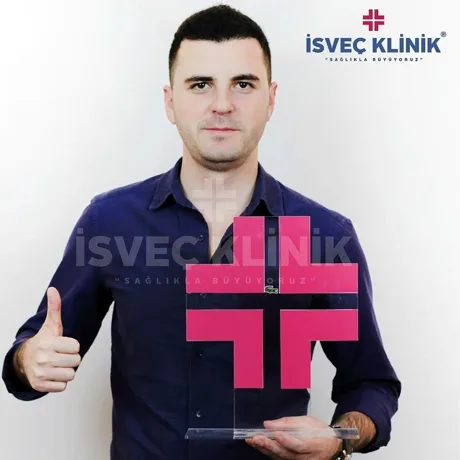
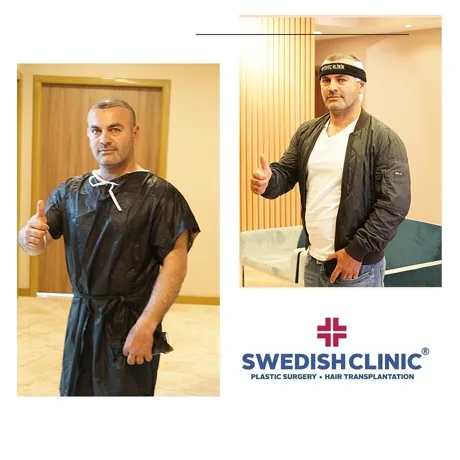
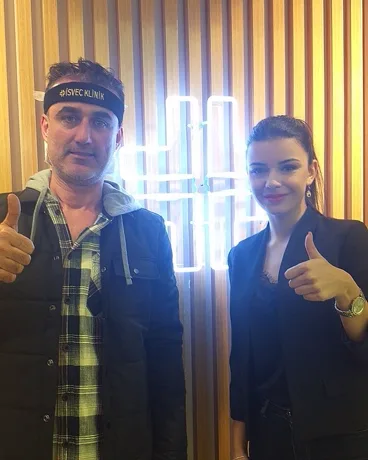
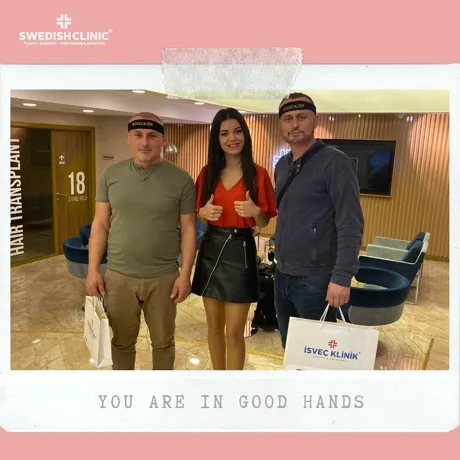
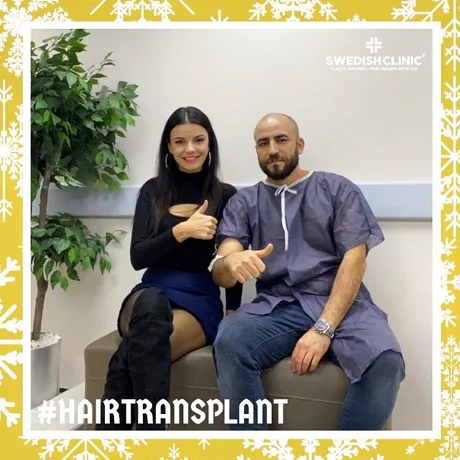
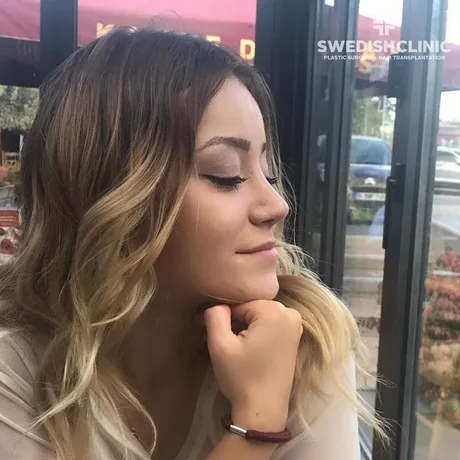
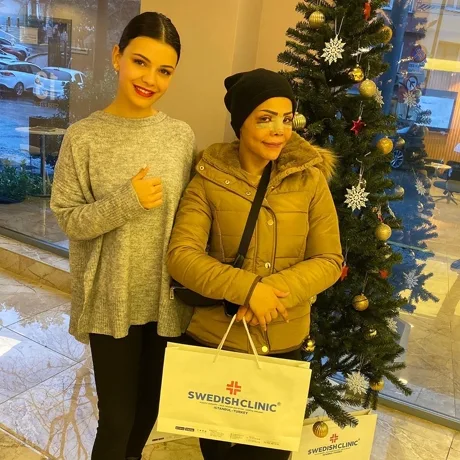
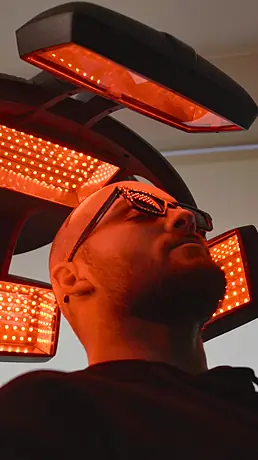
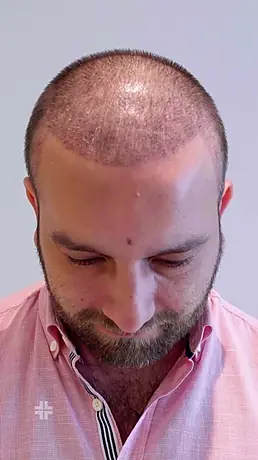
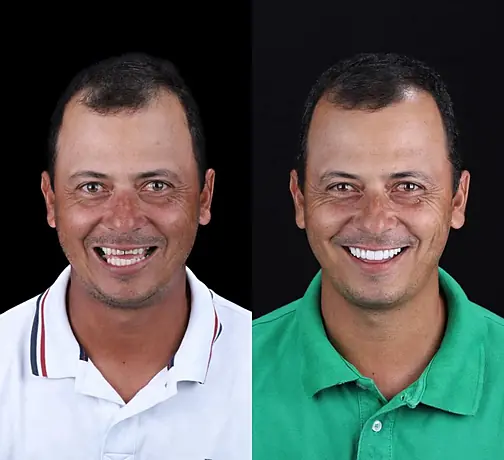
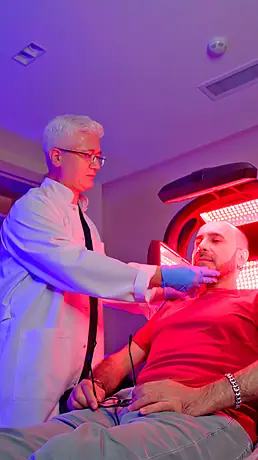
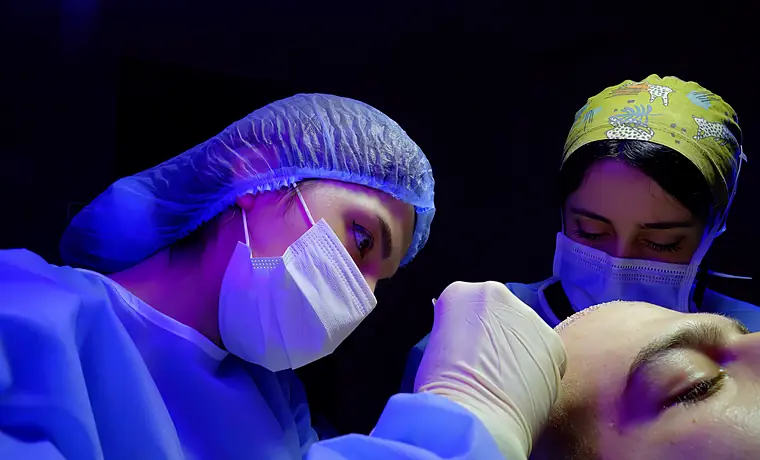
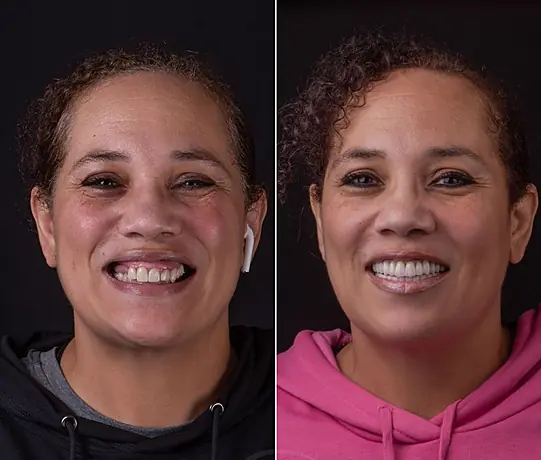
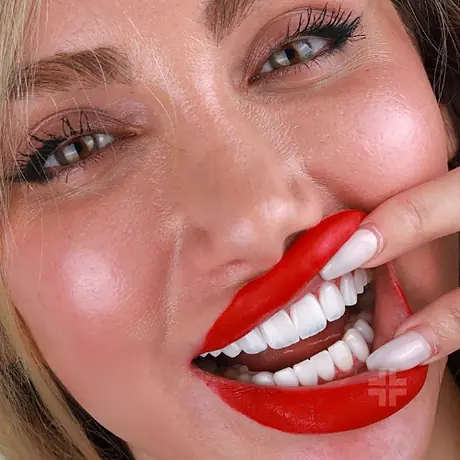
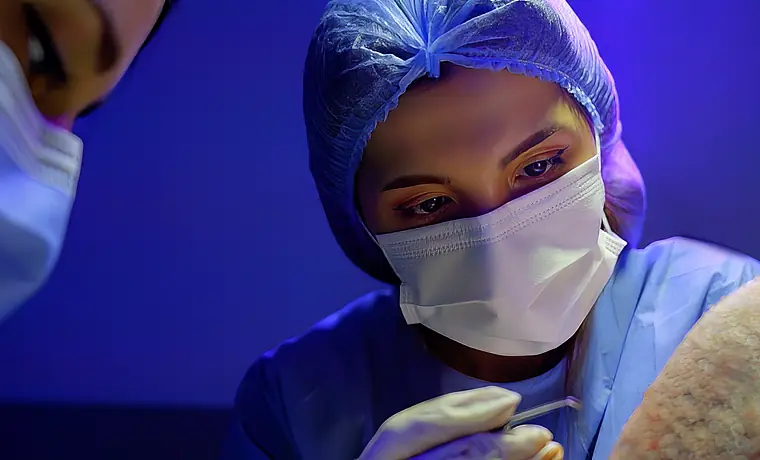
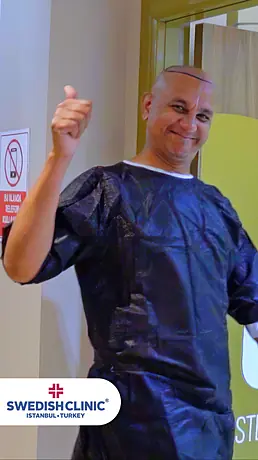
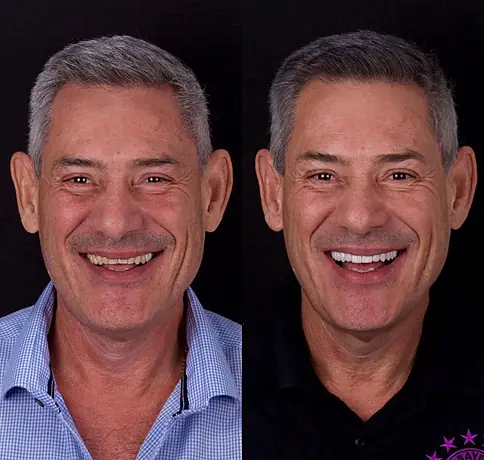
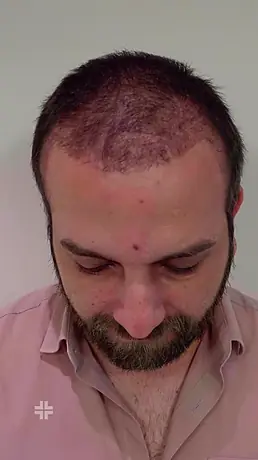
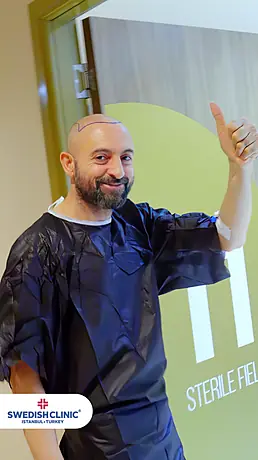
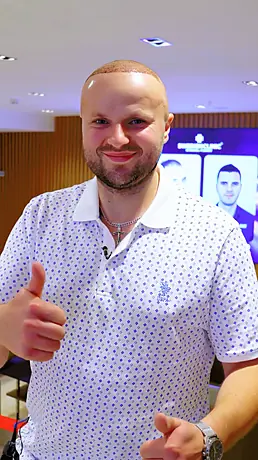
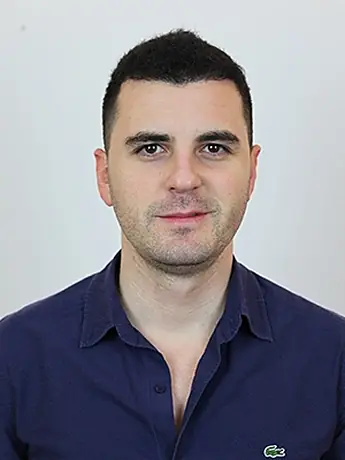
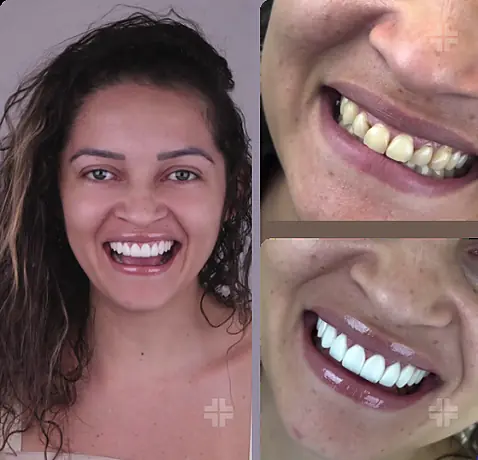
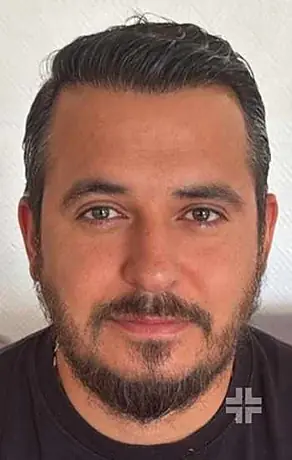
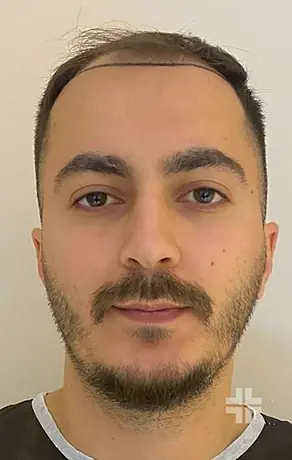
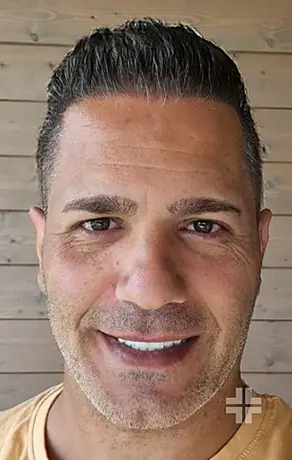
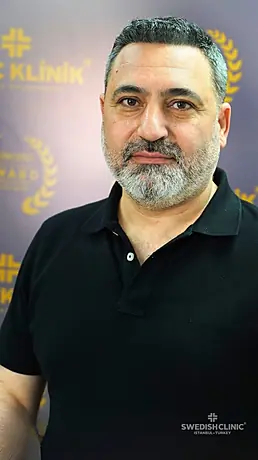
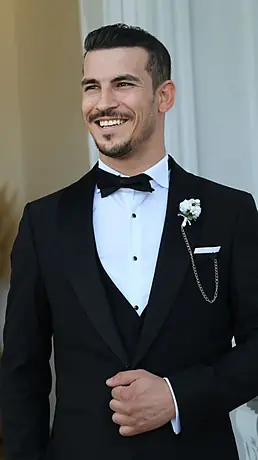
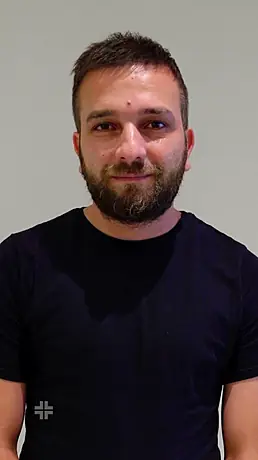
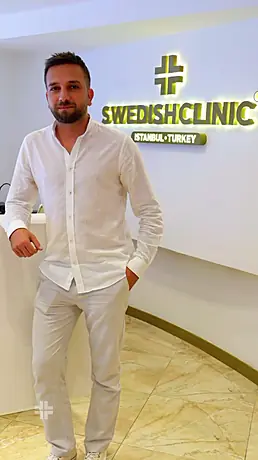
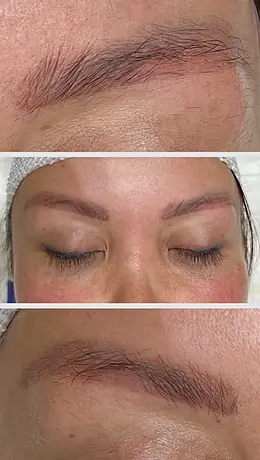
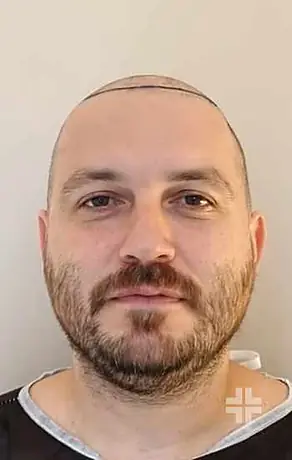
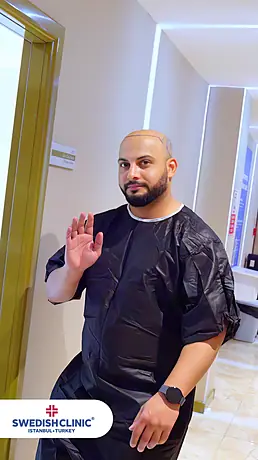
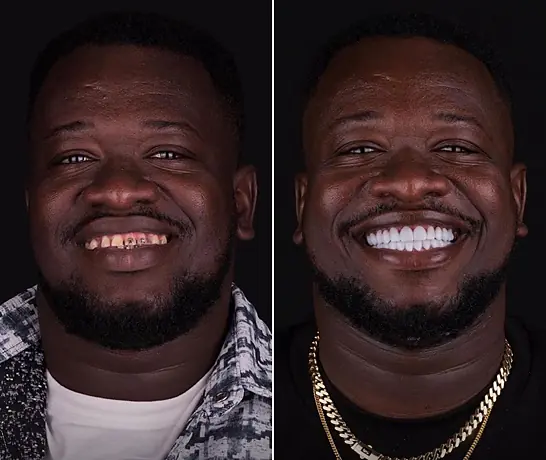
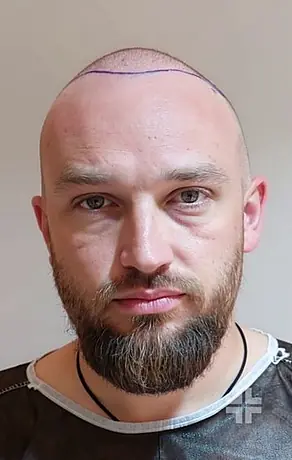
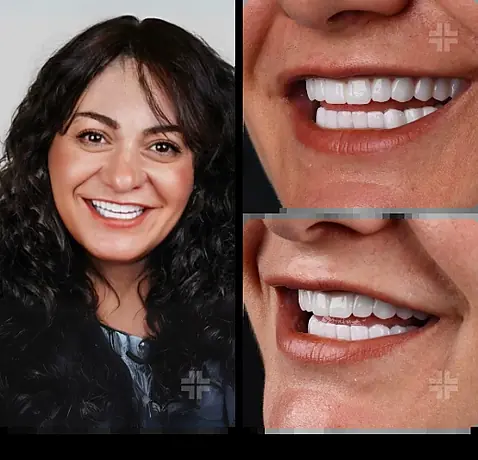
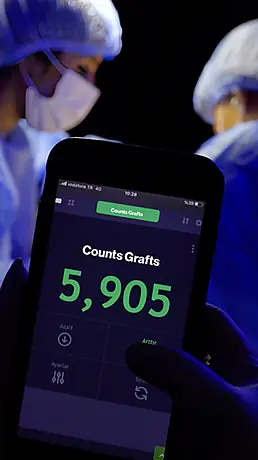
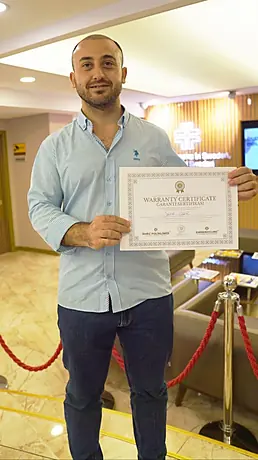
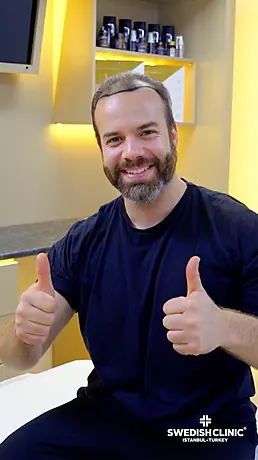
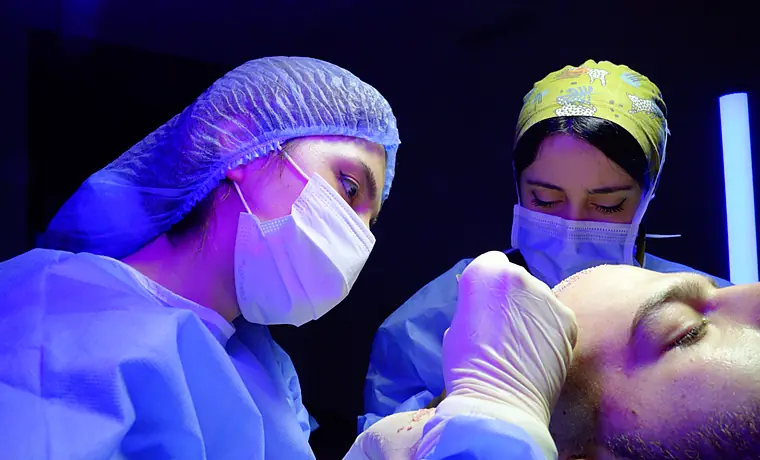
Operating theatres, the reception desk, the laser room and the people who walked back out — every treatment we do, on an ordinary working day.


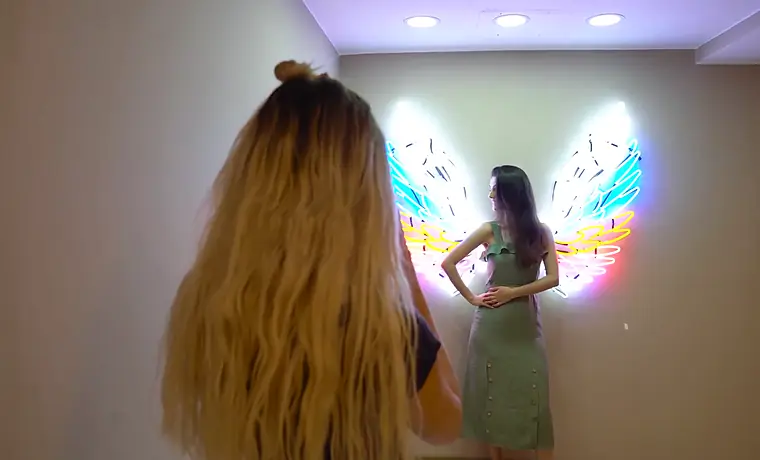
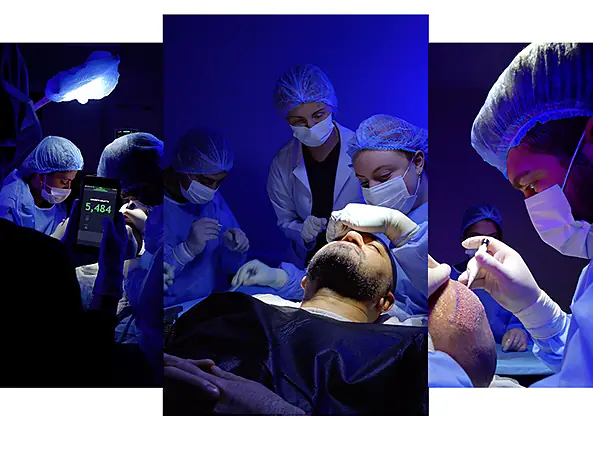
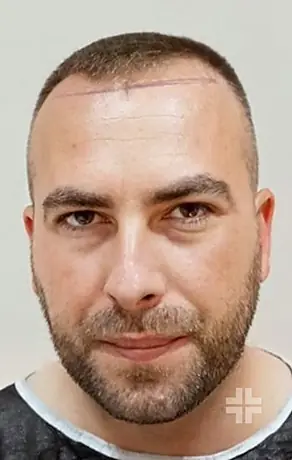
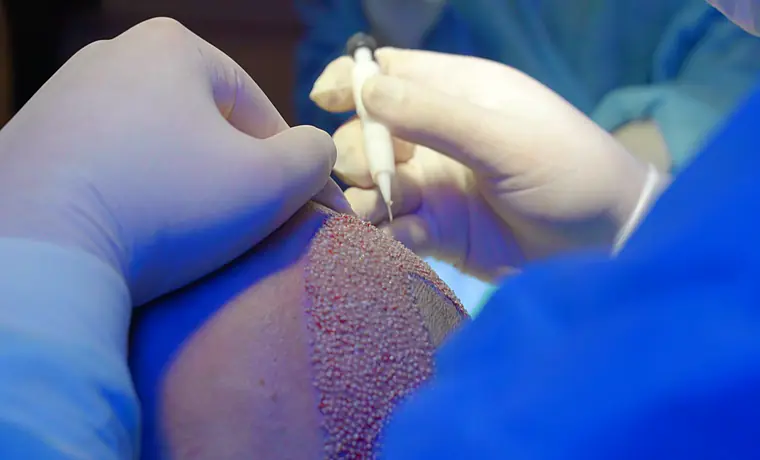
Three Days In Istanbul. Two Of Them Are Yours.
The operating day is one day. We plan the other two around it, so you go home with a result and a trip, not just a result.
- 01You land
A driver is at arrivals with your name. The hotel is minutes from the clinic, and the evening is yours — we send people out to see the city rather than sit in a room worrying.
- 02The operating day
One session, one team, your surgeon present throughout. You are washed, briefed and given your medication before you leave the building.
- 03The city is yours
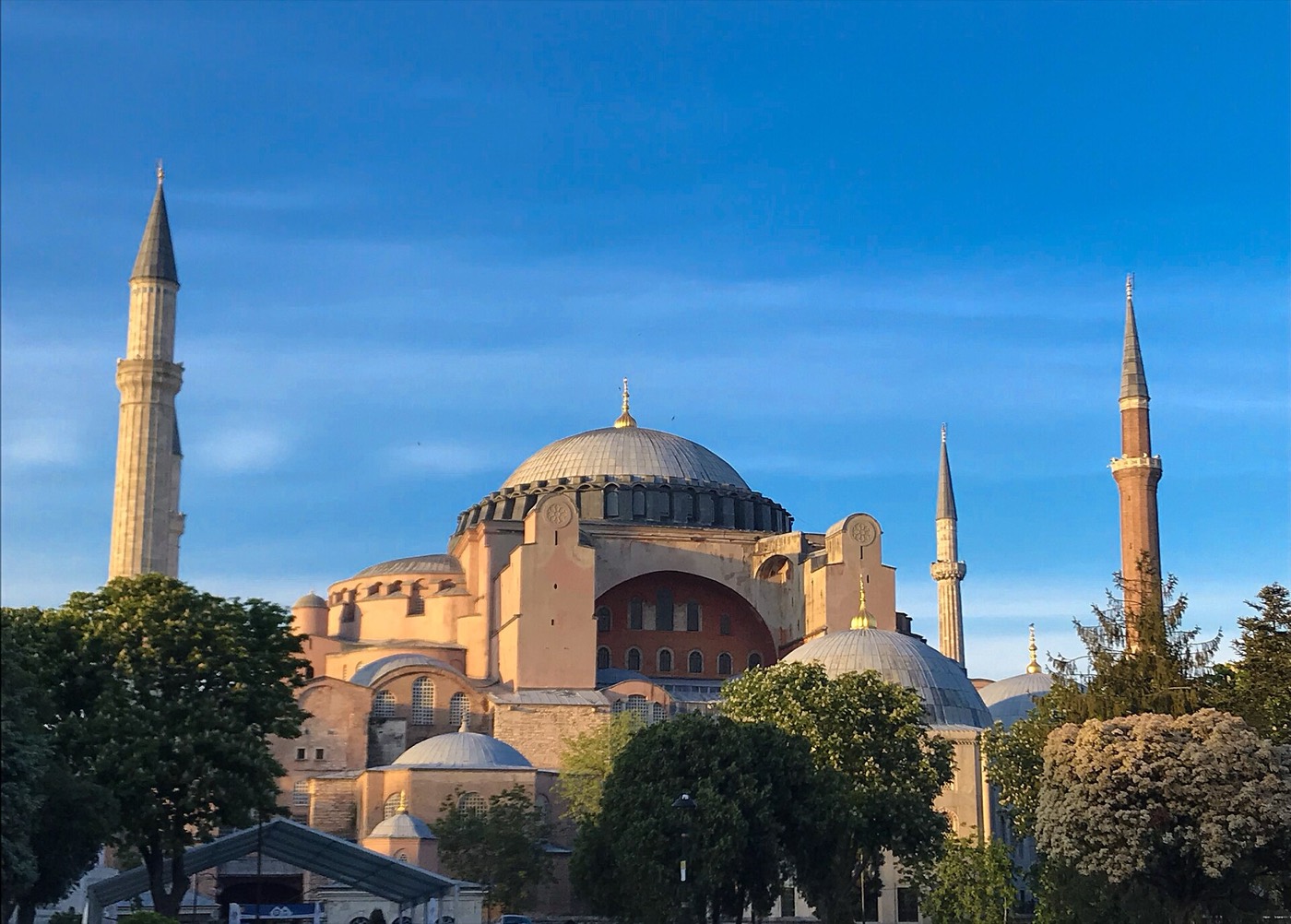
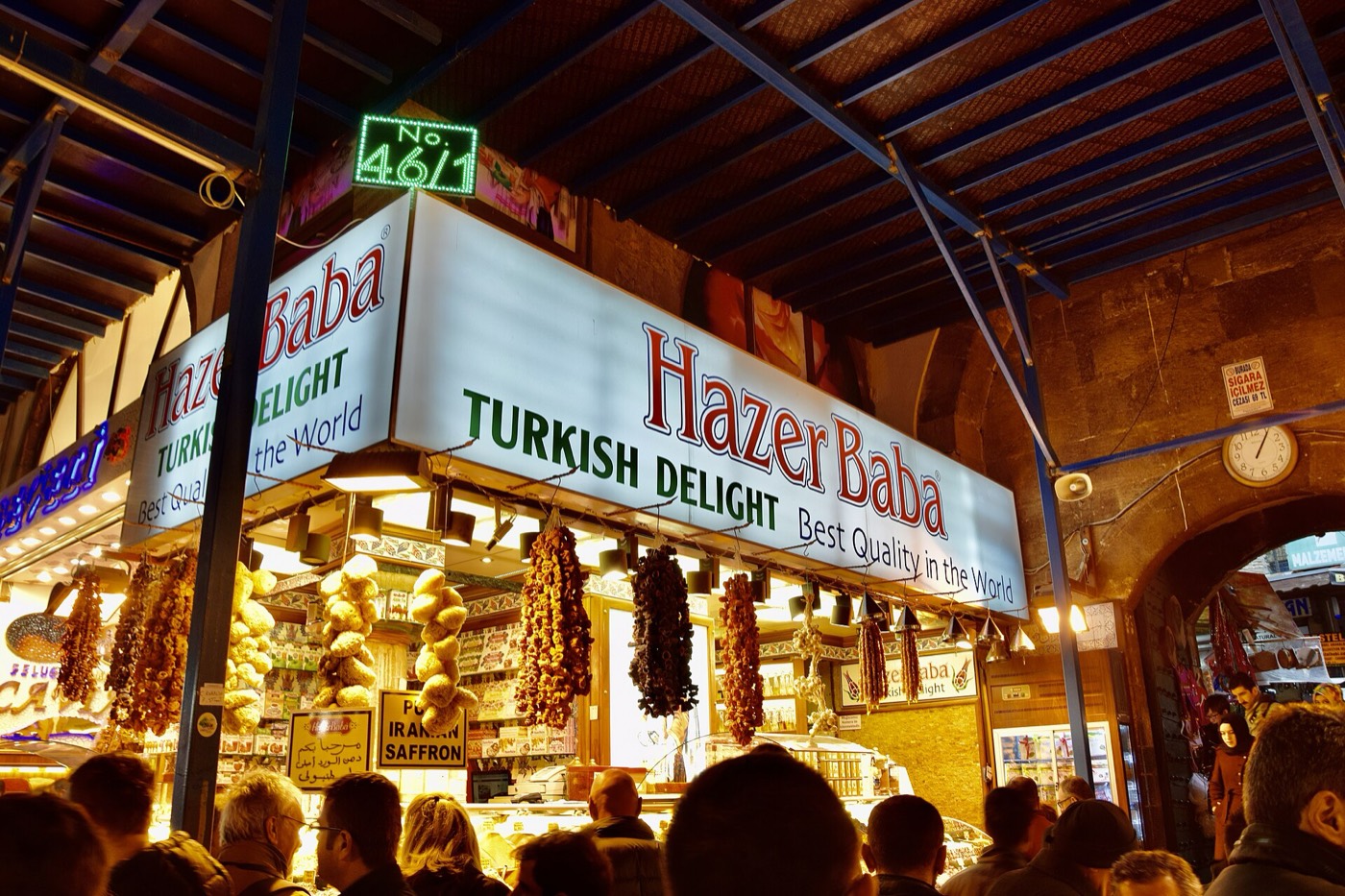
Hagia Sophia, the Bosphorus and the Grand Bazaar are all within half an hour. We time the operating day so this one still belongs to you.
Everything These Men Had Done. And Everything Else We Do.
The other operations the people on this page came back for, every treatment that runs in this building, what each one costs and how long it takes. The whole clinic in one file — take it with you and decide in your own time.
Open the brochureCheck Every Claim On This Page, In One Click.
Opens ChatGPT with this page already loaded as its source, so you can compare our plan against international standards and ask anything you like before you decide. We publish the number and the method precisely so they can be checked. The conversation is yours. We never see it.
Ask ChatGPT about this plan